


The California Violin Guide: Lessons, Youth Orchestras & How to Buy the Right Instrument
Complete Resource Guide · 2025
For parents, adult beginners, and students in Los Angeles, the Bay Area, and San Diego — everything you need to start violin the right way.
Whether you are a parent buying a first violin for your child in Los Angeles, a beginner starting lessons in the Bay Area, or a family in San Diego looking for a student instrument that will last through orchestra season — this guide covers what you actually need to know about learning violin in California.
Why California Is One of the Best States for Violin Students
California is home to some of the most active youth music ecosystems in the United States. Violin students here have access to serious opportunities that most states simply cannot match.
Los Angeles
Youth Orchestra Los Angeles (YOLA)
A free LA Philharmonic initiative providing instruments, music training, and academic support to nearly 1,700 students aged 6–18 across five community sites. Students perform at Walt Disney Concert Hall and the Hollywood Bowl, and some tour internationally alongside the LA Phil.
Bay Area
California Youth Symphony & Bay Area Youth Orchestra Festival
The California Youth Symphony offers nine programs for young musicians ages 8–18, with about 500 enrolled students. The Bay Area Youth Orchestra Festival at Davies Symphony Hall brings together five major regional youth orchestras for one stage.
San Diego
San Diego Civic Youth Orchestra
Welcomes musicians of all ages and experience levels, with a summer workshop program open to complete beginners. The orchestra performed at Carnegie Hall's Stern Auditorium in June 2024 as part of the Viennese Masters Invitational.
This pipeline matters for anyone choosing to start violin here. A strong local ecosystem means your child has a realistic path: private lessons or school orchestra → youth ensemble → regional orchestra auditions → summer programs. That progression exists in California in a way it does not everywhere.
Violin Lessons in California: What to Expect
Private Lessons vs. School Orchestra
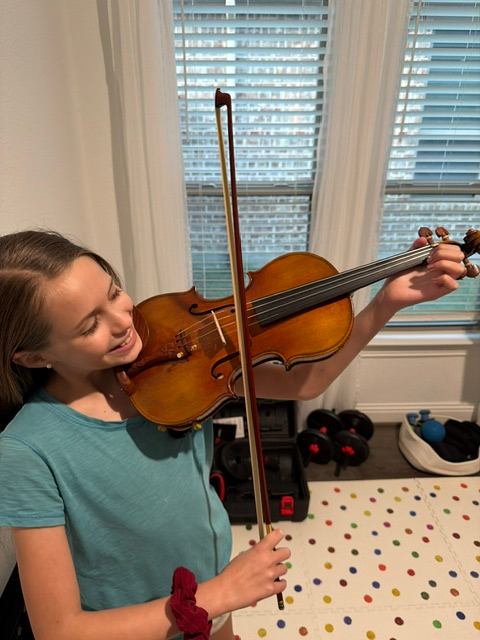
Most students begin one of two ways: their school offers a string or orchestra program, or a parent enrolls them in private lessons. Both have genuine value, and the best outcomes usually involve both.
School orchestra builds sight-reading, ensemble listening, and the habit of regular playing — and it is free, which lowers the barrier significantly. Private lessons move much faster for technique. A good teacher corrects bow hold, posture, and intonation in real time. Problems left uncorrected become habits that take years to undo. Even 30-minute weekly private lessons alongside school orchestra produce noticeably faster progress.
Online lessons have become a genuinely viable option for adult beginners or families with limited schedules. Video quality is good enough for a teacher to evaluate bow angle and left-hand position. Many California-based teachers now offer hybrid or fully online options.
Practice tip
For a beginner, 15–20 minutes of focused daily practice is worth more than an hour of distracted playing twice a week. Parents who build a consistent daily routine in the first six months give their children a significant head start. Most teachers will tell you the same.
How to Choose the Correct Violin Size
Getting the size wrong is one of the most common and most preventable beginner mistakes. A violin that is too large causes shoulder and wrist tension, makes intonation harder to control, and discourages young players quickly.
How to measure
Extend the left arm fully with the palm facing upward. Measure from the base of the neck to the center of the left palm. Match that number to the table below.
| Arm Length | Violin Size | Typical Age |
|---|---|---|
| Under 17" | 1/16 | 3–4 years |
| 17–17.5" | 1/10 | 4–5 years |
| 17.5–20" | 1/8 | 5–6 years |
| 20–22" | 1/4 | 6–8 years |
| 22–23.5" | 1/2 | 8–10 years |
| 23.5–25.5" | 3/4 | 10–12 years |
| 25.5" and above | 4/4 Full Size | 12+ and adults |
If you have a teacher, always confirm sizing with them before purchasing — especially for children who are between sizes or growing quickly. Age is only a rough guide; arm length is what actually determines fit.
What Makes a Violin Actually Playable
Many families focus on price first, which is understandable. But a violin that costs less and is unplayable will slow a student's progress more than a slightly more expensive one that is well set up. Here is what actually matters:
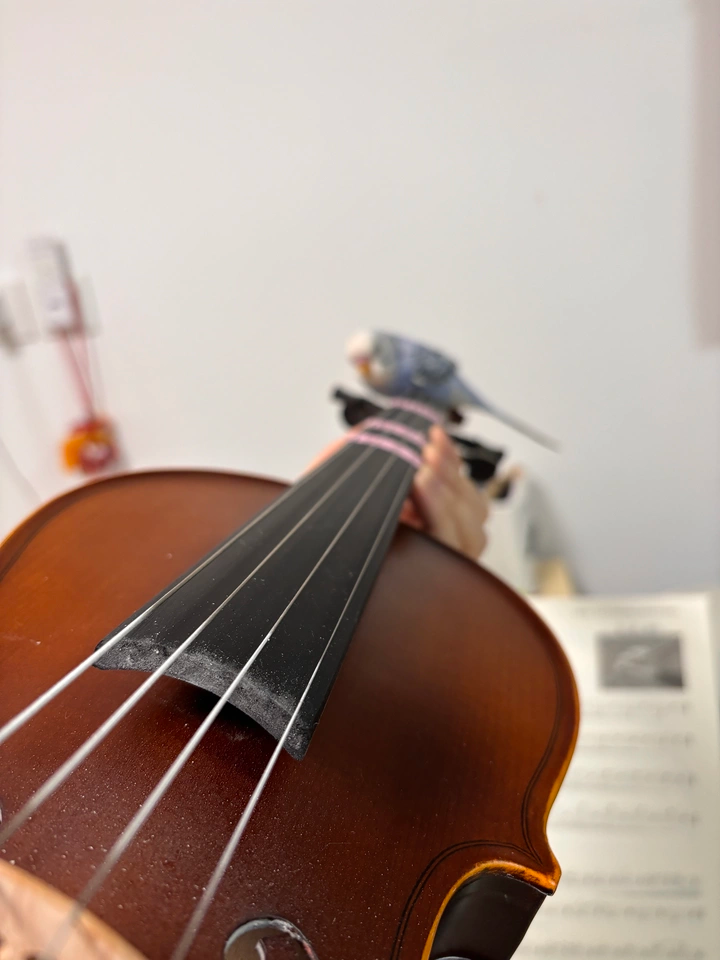
- String height (action) If strings are too high off the fingerboard, pressing them down takes too much effort and causes discomfort. This discourages young players faster than almost anything else.
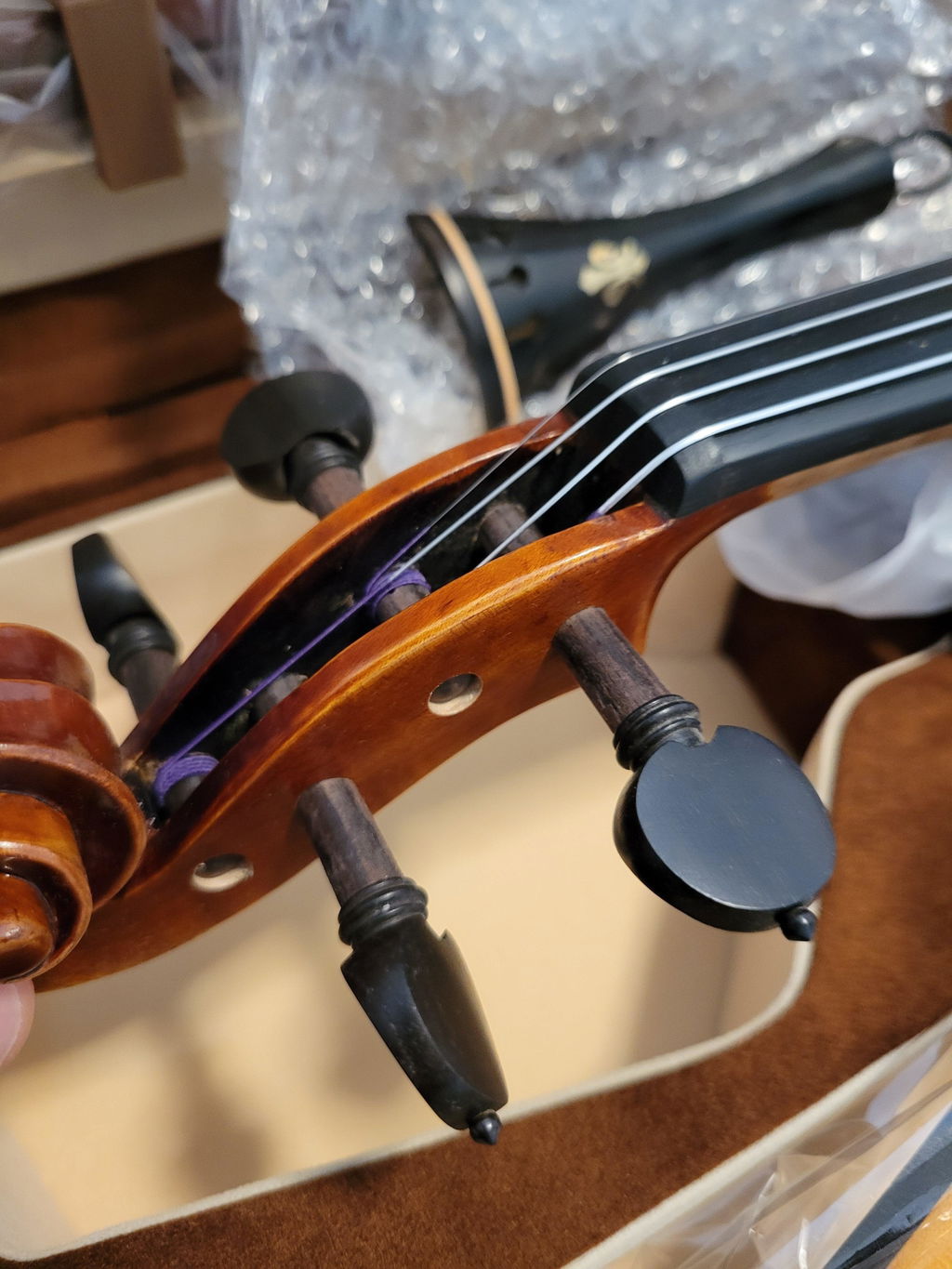
- Peg function Wooden pegs that slip constantly or refuse to turn make self-tuning impossible. Fine tuners at the tailpiece solve this problem cleanly for beginners.
- Bridge placement The bridge holds strings at the correct height and angle. A poorly cut or tilted bridge affects tone, tuning, and playability. Many inexpensive violins ship with bridges needing adjustment before they are usable.
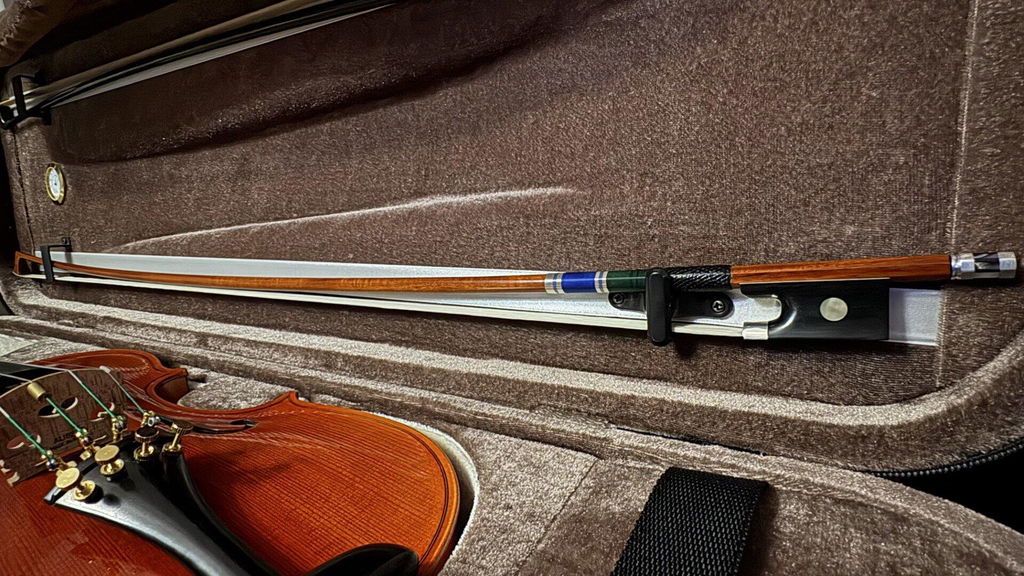
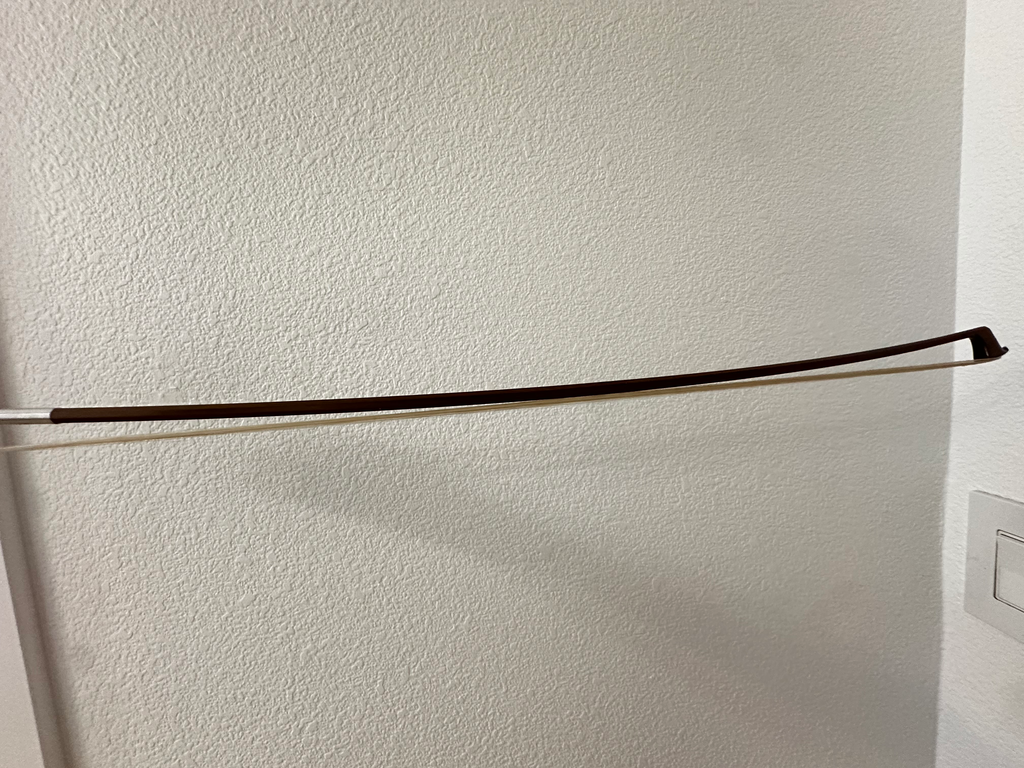
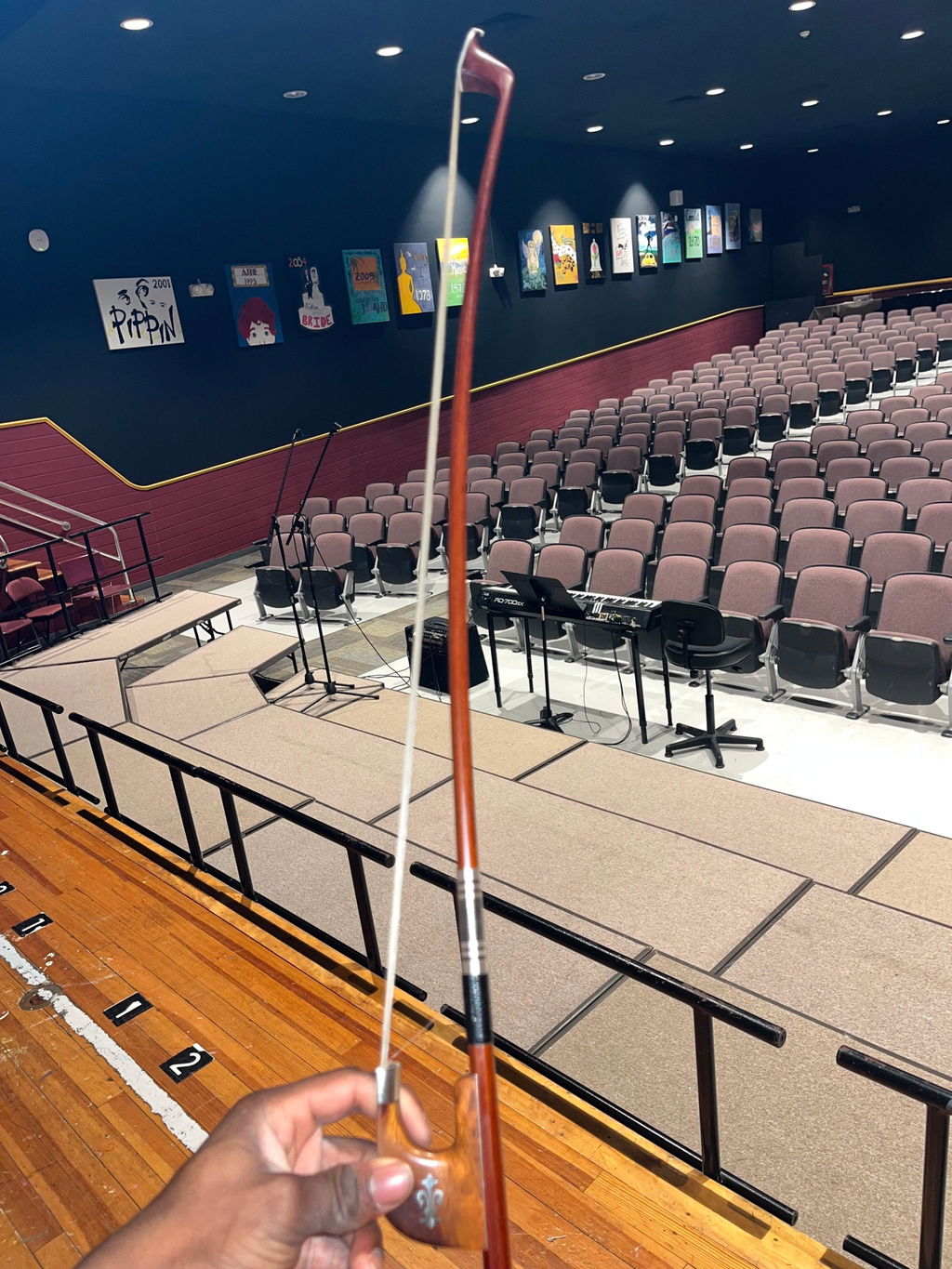
- Bow quality A bow that skips or bounces unpredictably makes consistent tone nearly impossible. Beginners need a bow that feels stable on the string.
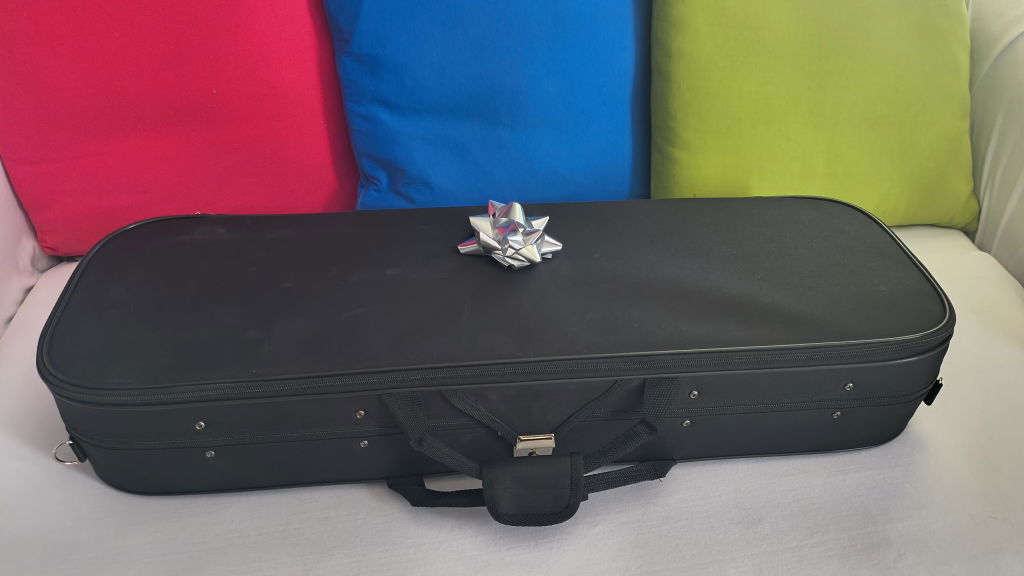
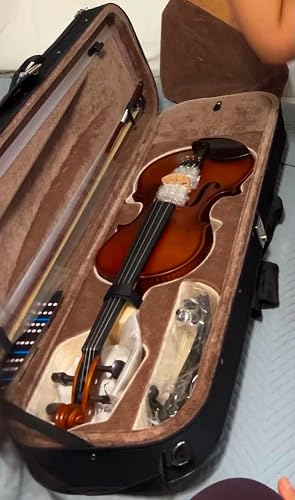
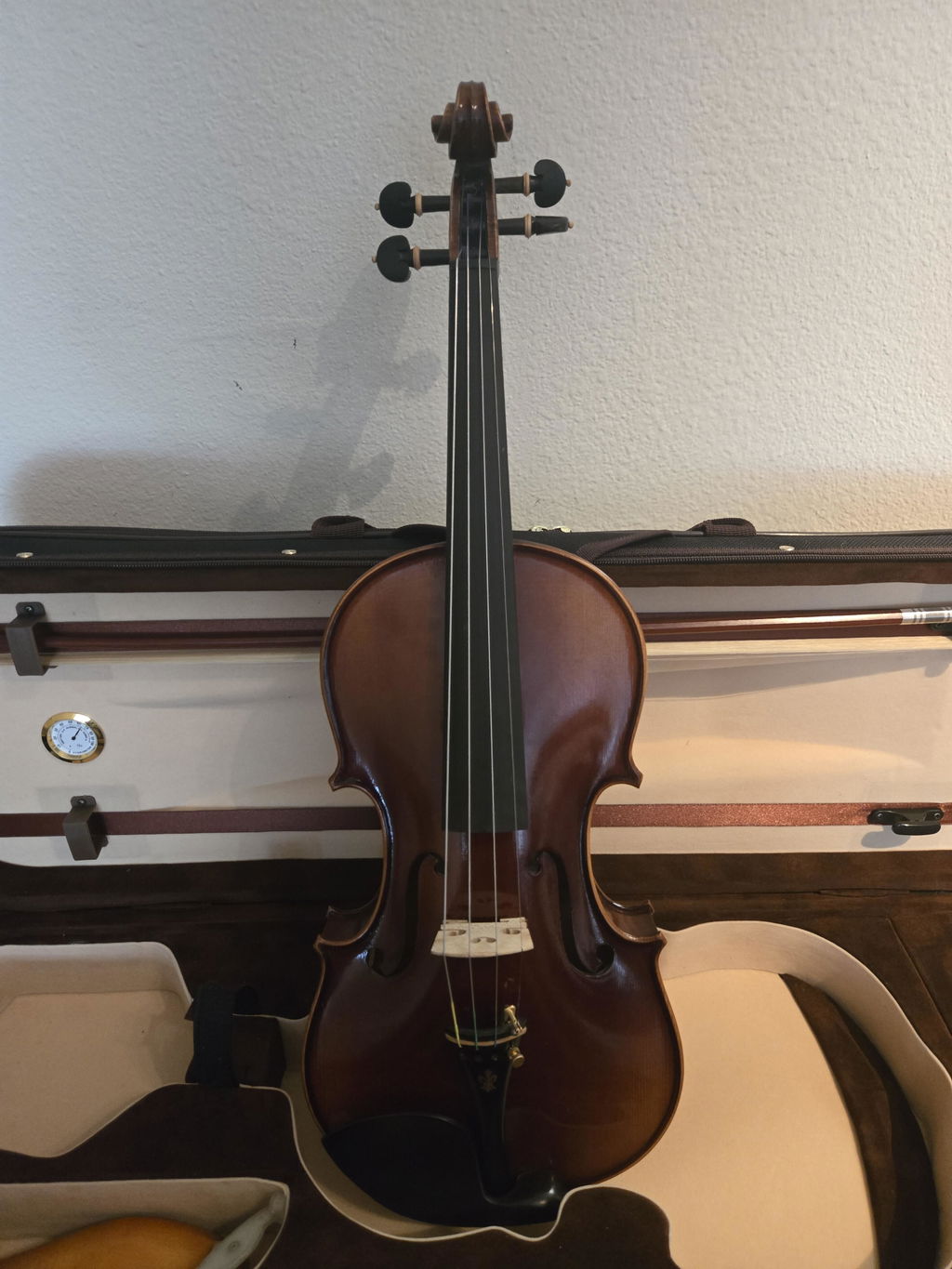
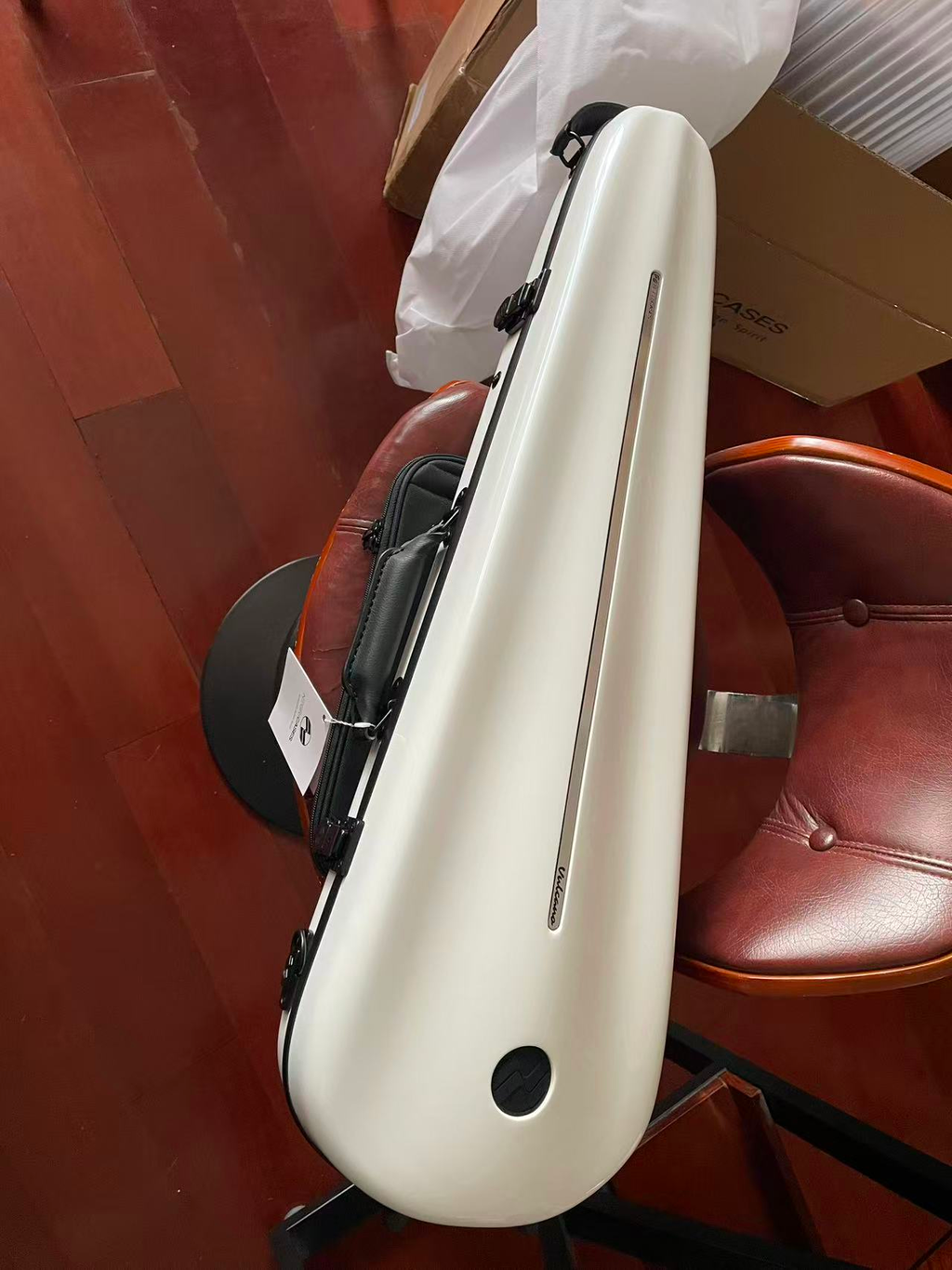
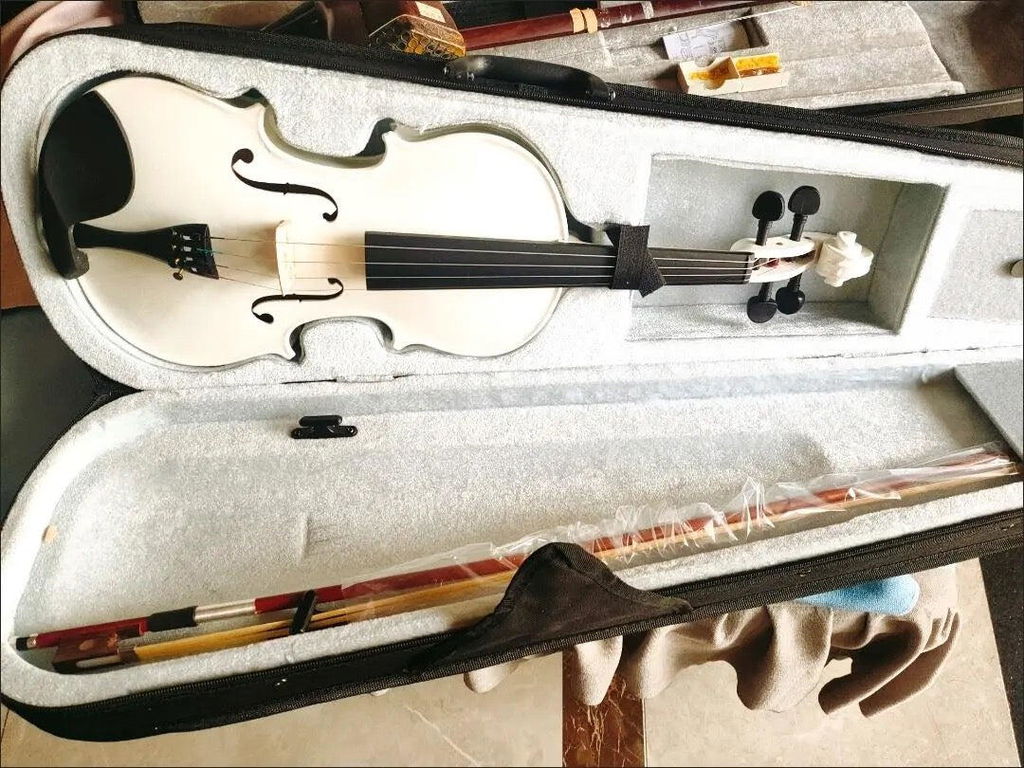
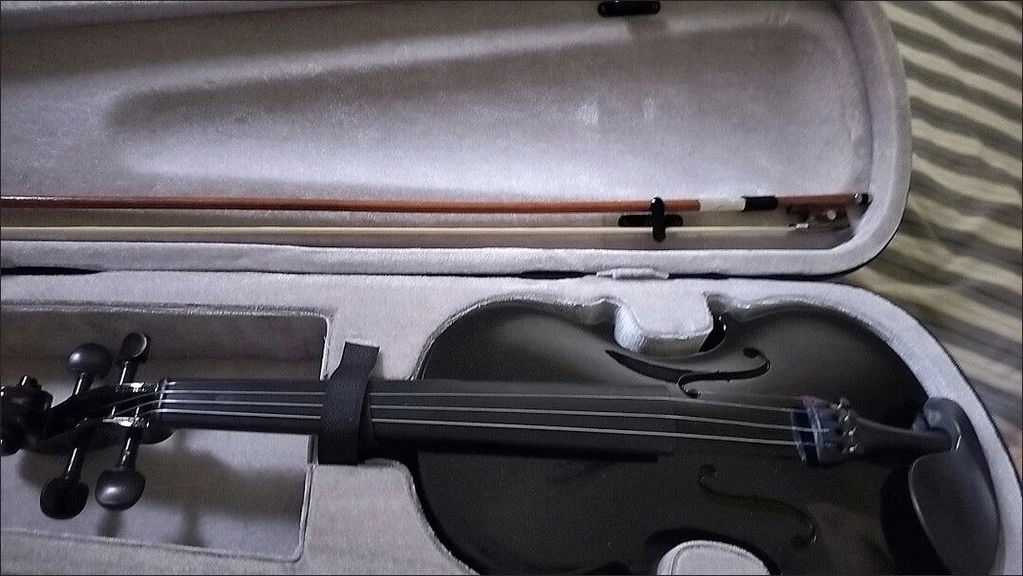
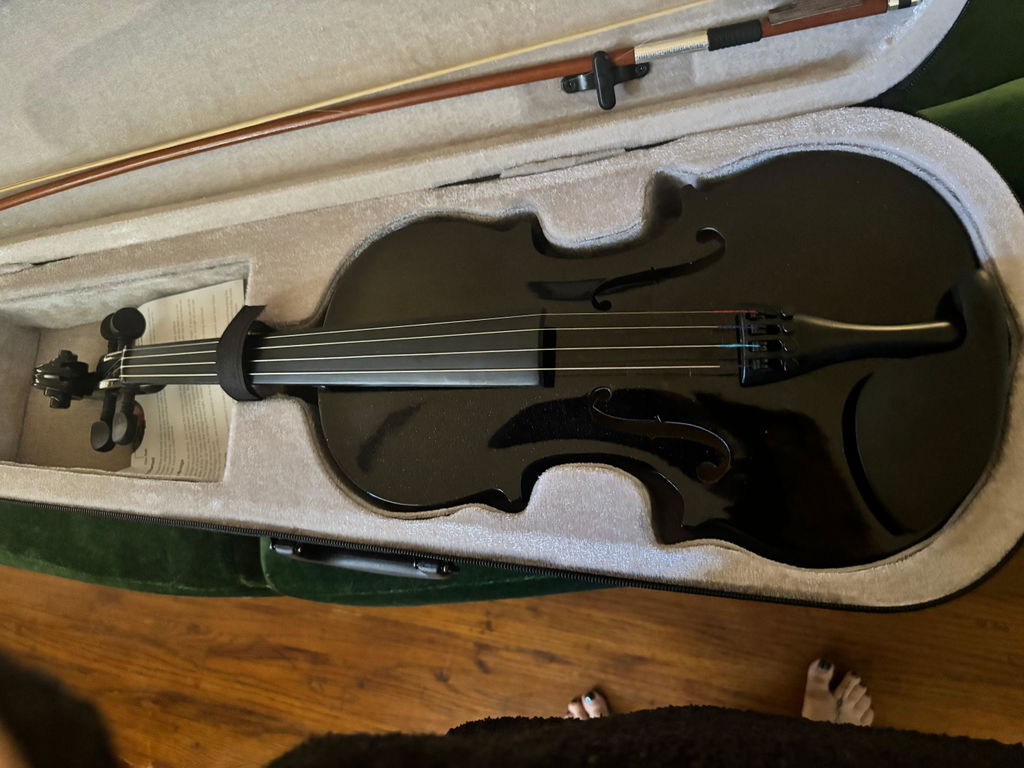
- Complete outfit contents A good beginner outfit should include: violin, bow, rosin, protective case, and shoulder rest. Buying these individually adds up quickly and creates compatibility questions beginners do not need.
Buying a Violin in California: Local Shop vs. Online
This is a genuine decision with real trade-offs — not a case where one option is obviously better.
Local Violin Shop
- Test tone and playability in person
- Rent-to-own programs for growing children
- Immediate setup, repair, and bow rehearing
- Teacher can inspect before you commit
- Better for intermediate and advanced instruments
Online Violin Shop
- Convenient for beginner and student instruments
- Useful when you already know the correct size
- Better for families outside major cities
- Compare models and price points without showroom pressure
- Clear return and exchange policies protect the purchase
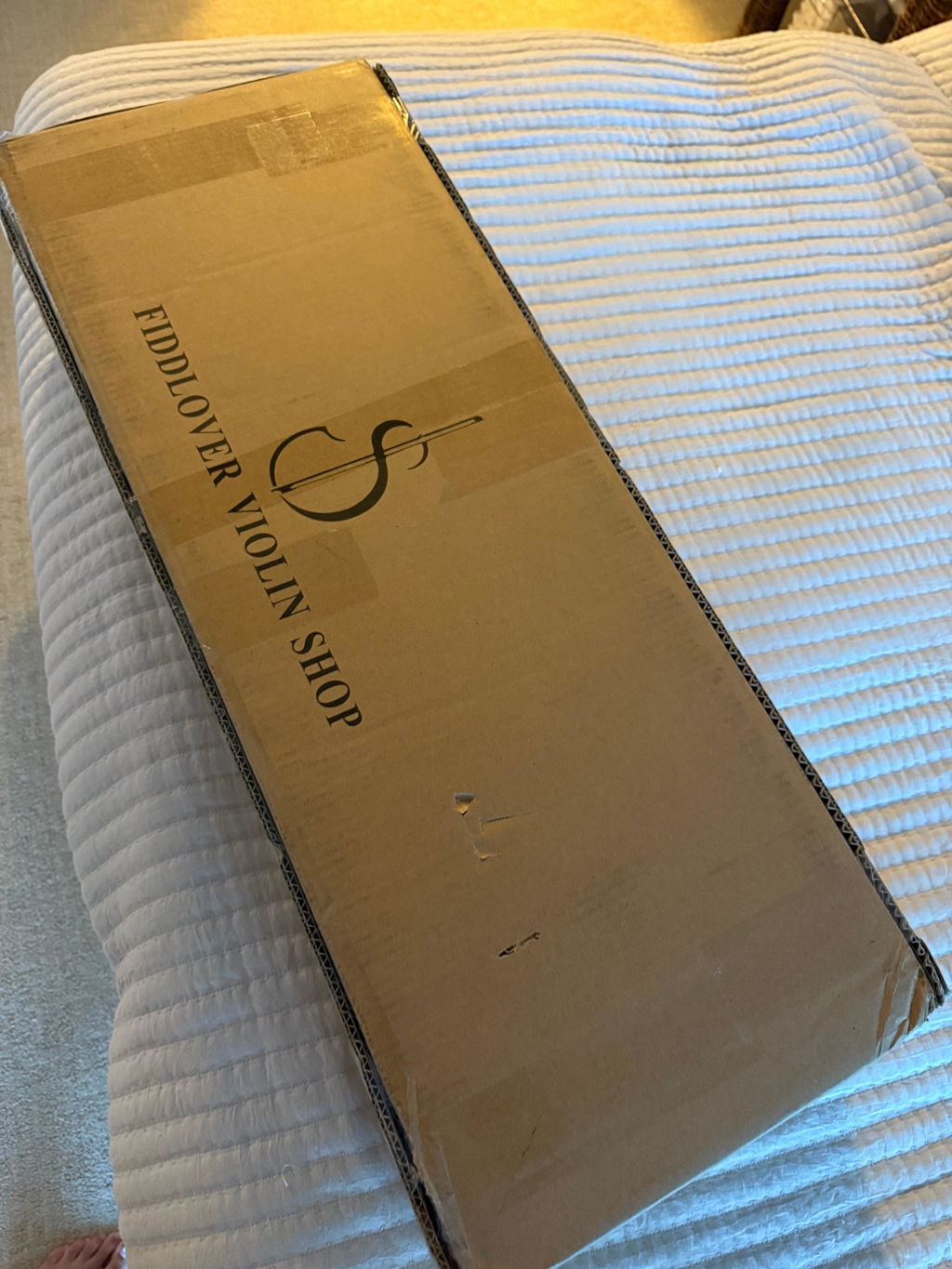
The key with online purchases: verify the shop explicitly describes setup quality and focuses on student instruments — not a general music retailer that happens to sell violins as a secondary category. Fiddlover Violin Shop is one such option — an online shop focused specifically on beginner and student violins, with clear sizing information and complete outfits ready to ship to California families.
California Climate and Instrument Care
This section covers California-specific conditions that most general buying guides skip entirely.
Heat warning
Never leave a violin in a parked car. Violin tops are glued with hide glue that softens under heat — a feature intentional for future repairs, but a hazard in a hot car. Even in the Bay Area in spring, a parked car can reach temperatures that open seams, collapse bridges, and damage varnish. This happens to experienced players, not just beginners.
Dry winters in Southern California and inland areas cause wood to contract, which can crack tops and cause pegs to slip. A simple humidifier that fits inside the violin case is inexpensive insurance. Ideal humidity for a stored violin is 45–55%.
Apartment and shared housing: Many students in Los Angeles, San Francisco, and San Diego practice in apartments. A rubber practice mute reduces volume significantly and costs less than $5. It fits most student bows and allows full-length practice sessions without neighbor conflicts.
School Orchestra in California: What Parents Should Know
California public schools vary significantly in what they offer. Well-funded districts in the Bay Area, Pasadena, and parts of San Diego often have strong elementary and middle school string programs. Other districts have cut music education substantially.
If your child's school does not offer a string program, the next best options are:
- Community music schools Many are nonprofit and offer sliding-scale tuition based on household income.
- Parks and Recreation programs Los Angeles Parks and Recreation runs music programs in many neighborhoods, often at low or no cost.
- Youth orchestras with entry-level ensembles YOLA (LA), Golden State Youth Orchestra (Palo Alto, ages 6–18, all levels), and San Diego Civic Youth Orchestra all accept beginners with no prior experience required.
Renting vs. Buying: A Straightforward Guide
Rent if
Your child is under 8, still growing quickly through sizes, or genuinely uncertain about continuing past the first year. Local shops with rent-to-own programs let you apply rental payments toward eventual purchase — a reasonable hedge against uncertainty.
Buy if
The student is committed, practices regularly, and you want a consistent instrument always available at home. Ownership eliminates the monthly cost that adds up significantly over two or three years, and avoids the rental return process when the student is clearly continuing.
For families choosing to buy, purchasing a complete beginner outfit — rather than sourcing a violin, bow, and case separately — is almost always the cleaner and more economical path.
Frequently Asked Questions