


2026 World Cup and the Violin: How Music Speaks Every Language
Music & Culture · June 2026
The 2026 FIFA World Cup unites three nations, 48 teams, and billions of voices. But long before the opening whistle, there was music — and at the heart of that music, a single instrument that has always spoken every language.
More Than a Football Tournament
On June 11, 2026, something unprecedented happens in North America. The FIFA World Cup — the single largest sporting event on Earth — kicks off not in one country, but across three: the United States, Canada, and Mexico. Over the next 39 days, 104 matches will be played across 16 cities. The Final, on July 19, will be held at MetLife Stadium in East Rutherford, New Jersey, just outside New York City.
The numbers alone are staggering.
But the real significance of 2026 isn't the scale — it's the statement. For the first time, the world's most watched tournament will be held across national borders, across languages, across entirely different musical cultures. Mexico City's roaring crowds. Toronto's multicultural streets. Los Angeles's sun-soaked boulevards. New York's relentless energy. Together, they form something that no single nation could host alone: a true portrait of humanity at its most collective.
And that raises a question that goes beyond football entirely. When you gather billions of people around a shared event, what holds them together? What communicates the joy, the grief, the suspense, the triumph — when words fail or aren't even shared?
The answer, more often than people realize, is music. And within music, few instruments carry that weight more naturally than the violin.
Why Stadiums and Concert Halls Feel the Same
Think about the last time you felt a physical response to music — a tightening in your chest during a slow, suspended note, or a sudden rush when a melody resolves into something you didn't expect. Now think about watching a penalty shootout. The silence before the run-up. The goalkeeper's dive. The net bulging — or not.
Both experiences are physiological. Both bypass language entirely.
This isn't coincidence. Neuroscientists have long observed that music and intense group experiences — stadium chanting, communal celebration, shared grief — activate overlapping regions of the brain. Both trigger dopamine. Both create a phenomenon researchers call "social bonding through synchronized emotion." In simple terms: when we feel the same thing at the same moment, we become, briefly, the same people.
Every great World Cup moment has had a soundtrack. Not just the official anthem played before the match, but the crowd's spontaneous eruptions — the unified intake of breath when a shot goes just wide, the explosion of noise when a goal goes in. That is music, in the oldest sense of the word. Rhythm, tension, release.
The violin, more than almost any other instrument, was built for exactly this emotional range. Its four strings can whisper or scream. A single bow stroke can hold a note so long it becomes unbearable — which is precisely what makes the release so powerful. No other acoustic instrument sits so naturally between the human voice and raw human feeling.
When violinists play Barber's Adagio for Strings, audiences cry. When they play Vivaldi's Summer, audiences tense with anticipation. The instrument doesn't need subtitles. It doesn't need a shared language. It only needs ears — and a heart willing to listen.
Four Host Cities, Four Violin Voices
One of the most compelling aspects of the 2026 World Cup is that it isn't really one tournament — it's several, playing out in cities with entirely distinct personalities. Each of the major North American host cities carries its own musical identity. And in each of them, the violin tells a different story.
Energy · Ambition · Edge
New York / New Jersey
Host of the Final. New York's classical scene is anchored by the New York Philharmonic — one of the world's oldest orchestras — while its streets pulse with every genre imaginable. Here, the violin lives in concert halls and subway stations alike. The Final in New Jersey will carry the weight of everything this city has ever expressed: triumph built on sacrifice.
Soul · Mariachi · Fire
Mexico City
Mexico's musical heart is a violin city in ways many people don't realize. Mariachi — the country's most iconic musical tradition — centers on violins. The vihuela and guitar provide rhythm, but the violins carry the melody, the longing, and the joy. A Mexican crowd singing in the Azteca is, in its way, a violin ensemble that hasn't tuned up yet.
Mosaic · Warmth · Openness
Toronto
More than half of Toronto's population was born outside Canada — making it one of the most genuinely multicultural cities on Earth. Its music reflects this: Eastern European folk violin sits next to South Asian strings next to Western classical tradition. Toronto doesn't have a single violin voice. It has dozens. All of them welcome.
Light · Range · Reinvention
Los Angeles
LA is where musical traditions come to be reimagined. The city's session musicians — many of them violinists — have shaped the soundtracks of generations of films, adding emotional gravity to scenes that words alone couldn't carry. In LA, the violin is what happens when the world's cultures stop arguing and start playing together.
These four cities alone demonstrate something important: the violin doesn't belong to one culture. It evolved across centuries and continents — from the Persian rebab to the Italian viola da braccio to the Baroque instruments of Vienna to the fiddles of Appalachia. Every time it arrived somewhere new, it absorbed what it found there and gave something back. Much like football itself.
The Emotions Football Can't Name — But the Violin Can
Football commentary gives us goals, assists, saves. Statistics track passes, distance run, shots on target. But those numbers say nothing about what it actually feels like to watch the sport you love, played at its highest level, with everything at stake.
There are moments in a World Cup match that have no names. The violin has sounds for all of them.
- The silence before a penalty kick — a sustained note on a single string, held just past the point of comfort, trembling slightly at the bow's edge.
- The last-minute equalizer — a sudden forte that arrives without warning, the whole ensemble crashing in at once, tempo irrelevant, pure release.
- A team eliminated on goal difference — a slow, descending phrase in a minor key. No drama. Just the weight of something ending that should have continued.
- A young player's first World Cup goal — a bright, clean tone in the upper register. Simple. Uncluttered. The sound of potential becoming real.
- Extra time, 0–0, minutes from a shootout — a double-stop, two notes held together in a tension that resolves only when the whistle blows.
- The final whistle of the champion — the whole orchestra, but the violins soaring above everything else, because that's what they do at the peak of joy.
This is why the violin, more than any other instrument, is the right lens for understanding what the World Cup really is. It isn't just a competition. It's a concentrated experience of the full range of human feeling — experienced simultaneously by billions of people who have never met and never will.
One Instrument, No Translation Needed
There will be 48 nations competing at the 2026 World Cup. Their fans will speak dozens of languages. Their chants, their songs, their pre-match rituals will sound entirely different from one stadium to the next. And yet, seated in the stands or watching from a living room in Seoul or São Paulo or Stockholm, every one of them will understand the exact same thing when that final whistle blows.
That's the paradox at the heart of both football and music: universal feeling expressed through radically different local forms.
The violin has always lived in that paradox. It sounds different in a Persian classical piece than it does in a Norwegian folk tune or an Argentine tango. The technique, the ornaments, the emotional language — all different. And yet the experience of hearing a skilled violinist play, whatever tradition they're working in, produces the same physiological response in listeners from any background. The hair on the arms. The catch in the breath. The sense that something is being expressed that you have felt but never been able to say.
In 2026, the world will gather in North America to watch football. They'll bring their flags, their chants, their food, their languages. And somewhere in the opening ceremonies, in the anthems before matches, in the quiet moments between goals — there will be strings. There almost always are. Because when you need to say something to everyone at once, the violin is one of the few voices that doesn't need a translator.
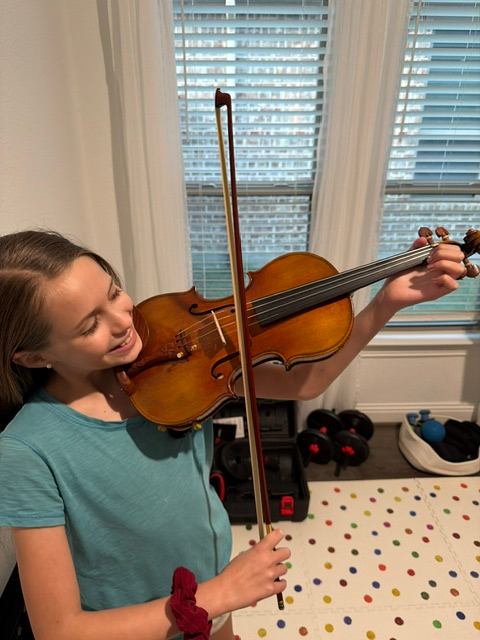
If you've ever wanted to learn that language yourself — to hold an instrument capable of expressing everything from a child's first goal to the weight of a nation's hope — there's no better time to start than the year the world decides to play together.
Ready to Find Your Voice?
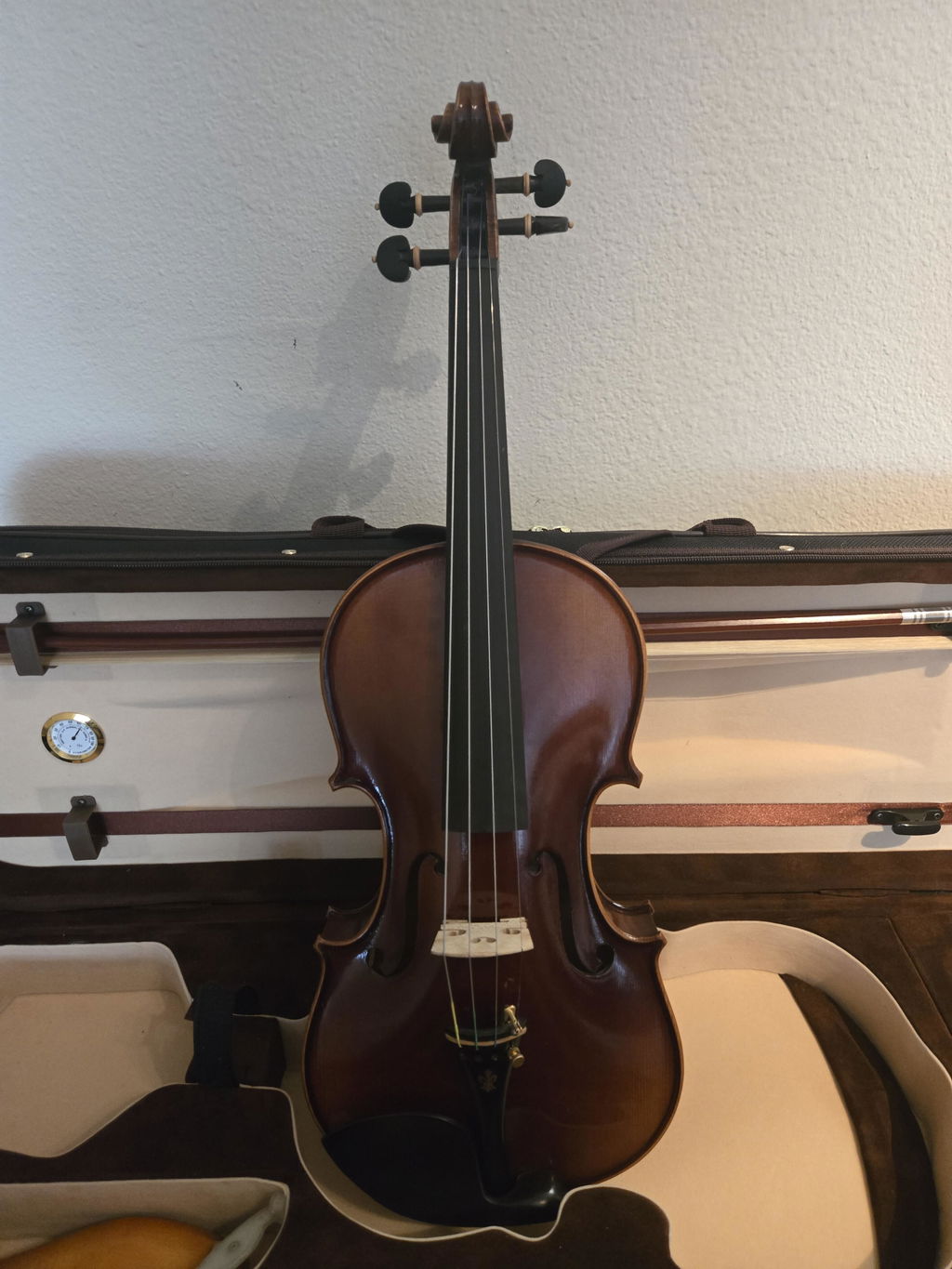
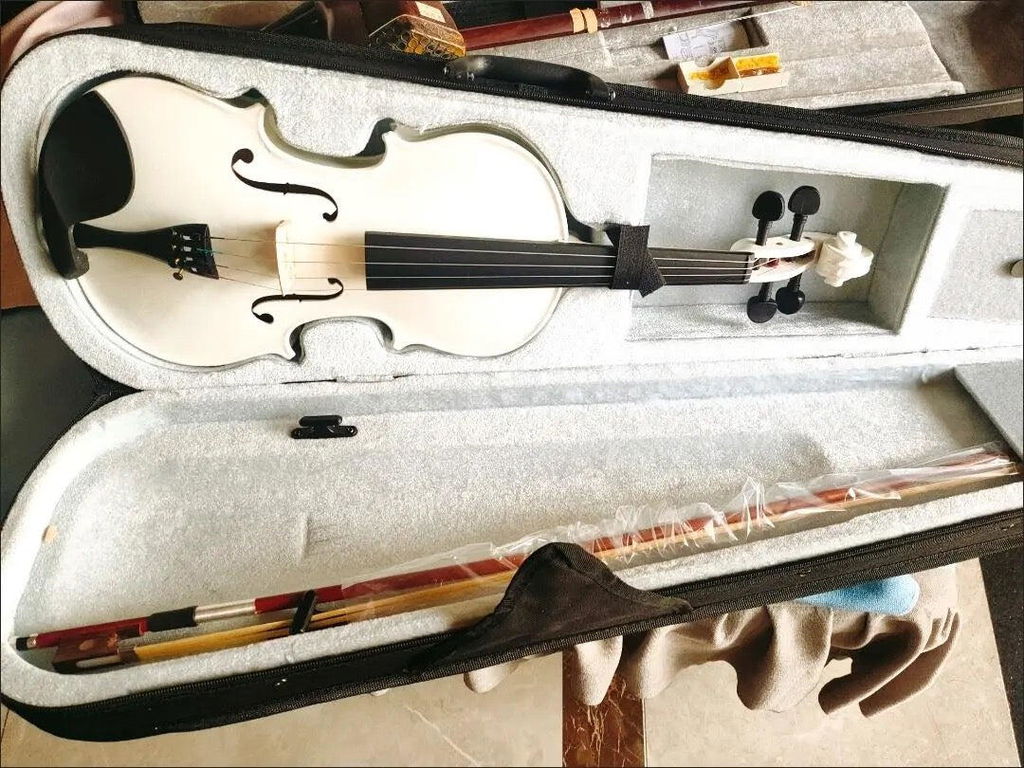
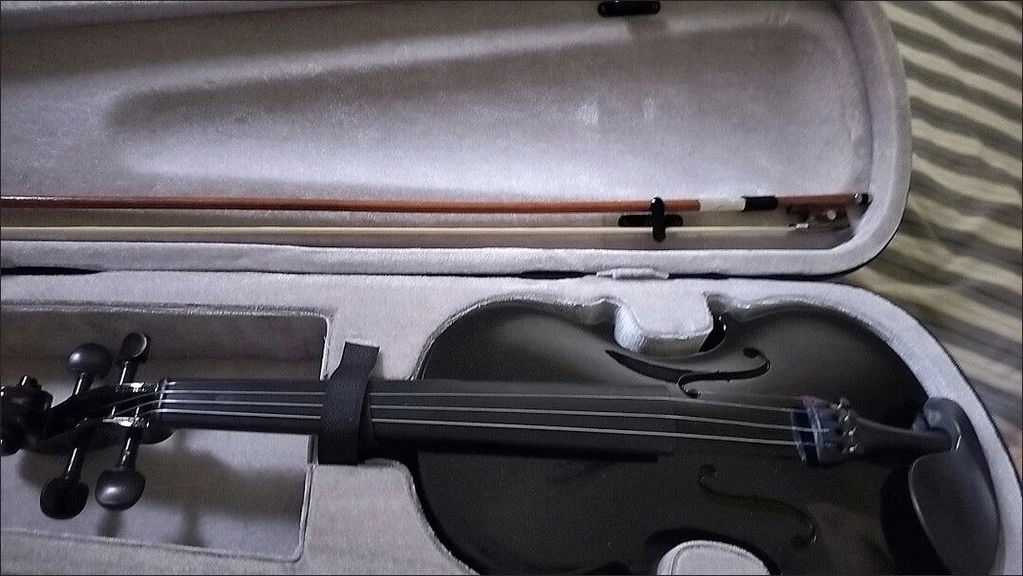
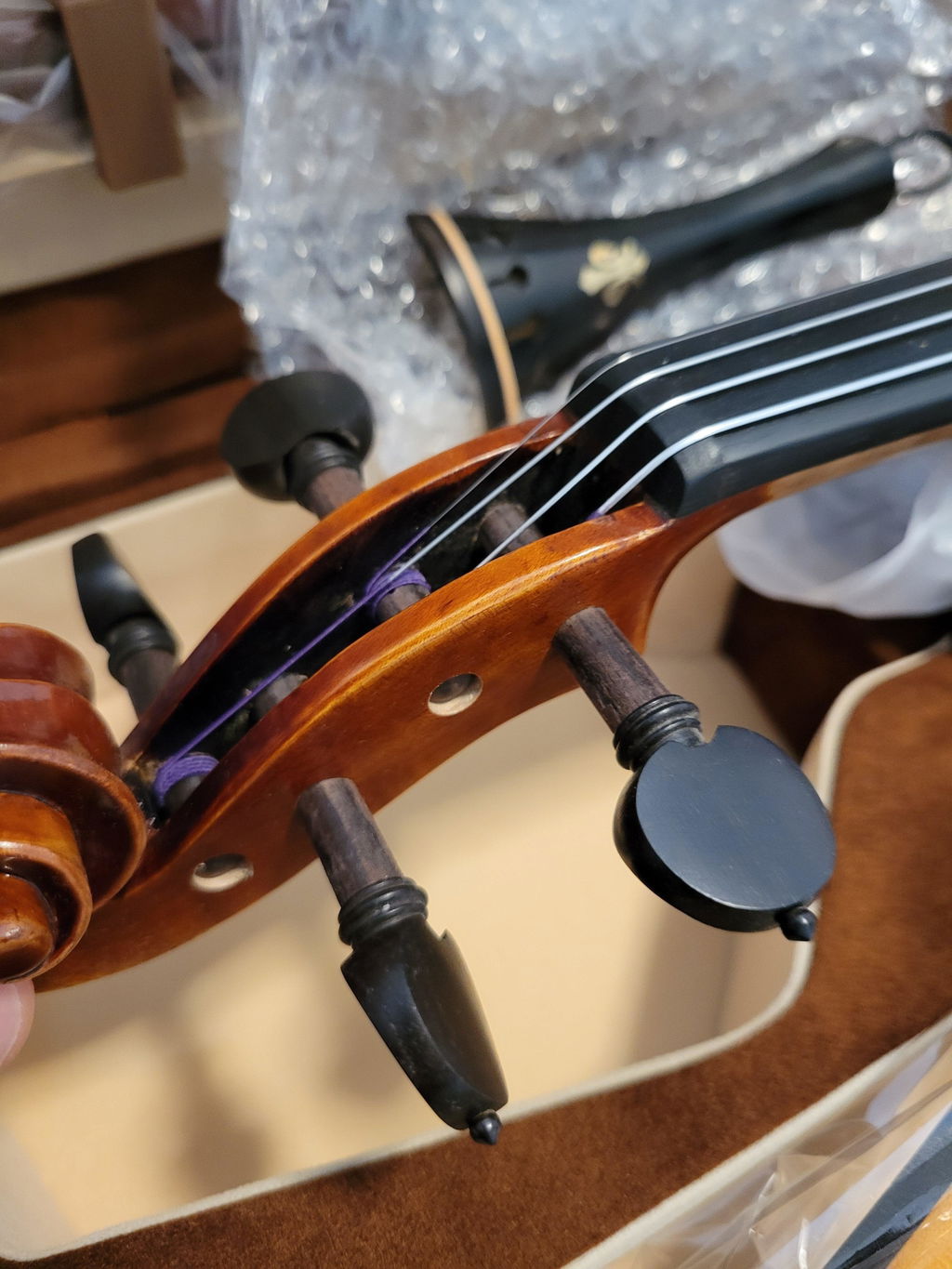
Whether you're a complete beginner or returning to the violin after years away, Fiddlover has instruments built for every stage of the journey — crafted for players who believe music deserves to be felt, not just heard.
Explore Beginner Violins →Finally, I experimented with AI and created two violin pieces inspired by the 2026 World Cup. If you're interested, feel free to listen to them. While I still believe AI can never replace genuine human expression in music, there's no doubt that it is reshaping many parts of our lives in fascinating ways.