


AI Will Never Replace Real Violin Playing
AI may reproduce the sound of a violin, but it cannot replace the soul behind it. A violin performance is not only about notes, rhythm, or tone. It is about the human body, memory, discipline, emotion, imperfection, and the invisible connection between musician and listener.
AI can create music. But a real violinist tells a story.
AI Can Imitate Sound, But Not Feeling
The violin is one of the most emotionally expressive instruments ever created. A single note can sound lonely, hopeful, painful, or powerful — and that difference rarely comes from the written music itself. It comes from the person playing it.
A human violinist does not simply follow data. They play with memories, life experience, and genuine emotional understanding. When they perform a sad melody, that sadness may come from something they have actually lived through.
On Sadness
AI can imitate sadness. But it has never lost anything.
On Love
AI can imitate love. But it has never loved anyone.
On Nerves
AI can write dramatic music. But it has never felt fear before walking onstage.
A machine can analyze what emotion sounds like. But it cannot truly feel why that emotion matters. That is the fundamental gap between artificial music and real violin playing.
The Beauty of Violin Lives in Imperfection
Many people assume that great music requires perfect sound. But in real violin playing, perfection is not always the most moving quality. Sometimes the beauty is in a slightly trembling note. A quiet breath before the next phrase. The subtle way a violinist gently slows down for one emotional moment.
A note may not be mathematically perfect, but it may be emotionally perfect. A phrase may change from one performance to another because the violinist is responding to the moment.
AI typically aims for smoothness and accuracy. But human music is not only about accuracy — it is about truth. A perfectly generated violin sound may be beautiful. But a real violin performance can be unforgettable.
Every Violinist Has a Personal Voice
Two violinists can play the same piece, and the result will never be exactly the same. One may sound warm and gentle; another intense and dramatic. This personal voice is shaped by years of practice, teachers, failures, culture, and life experience.
AI vs. Real Violinist
Can copy styles and imitate famous performances. But it has no true musical identity — no personal reason to play.
Has a childhood memory of learning the first scale. Has painful practice sessions. Has the moment of finally mastering a difficult passage after months of work.
A real violinist develops a voice over a lifetime. AI produces output. That difference matters deeply.
Violin Playing Is a Physical Art
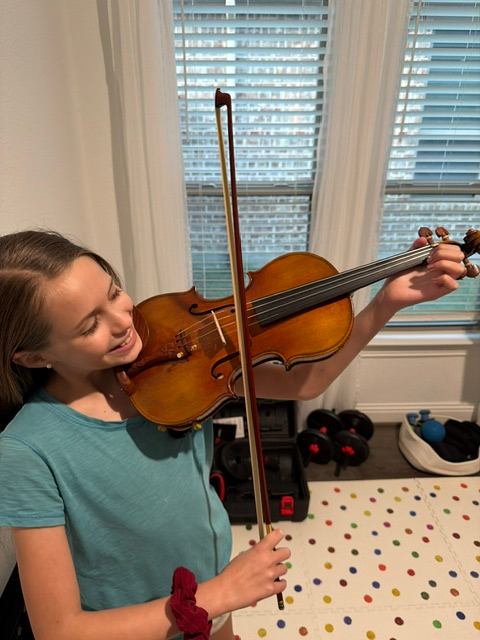
The violin is deeply connected to the human body. The pressure of the bow changes the tone. The speed of the bow changes the emotion. Every movement of the wrist, arm, shoulder, and breath shapes the sound.
Real violin playing is not only something we hear — it is something we witness. When we watch a violinist perform, we see concentration, tension, release, and expression. We see a human being transforming movement into sound.
AI can create the audio of a violin. But it cannot stand on stage with a beating heart.
Live Performance Creates What AI Cannot
A live violin performance happens only once. Even if the same violinist plays the same piece tomorrow, it will not be identical. The room will feel different. The audience will react differently. The silence before the first note will be different.
A recording can be repeated. A live performance can only be experienced. That is why people still go to concerts — not only for the sound, but for presence, connection, and something real.
As AI Music Grows, Human Music Becomes More Valuable
As AI-generated violin sounds become more widespread, the rarity of authentic human performance will only grow. When something becomes easy to generate, the real human version becomes more meaningful, not less.
In a world full of artificial sound, people will continue to search for authenticity. They will want the warmth of a real instrument, the personality of a real musician, and the emotional truth that only a human being can carry.
What AI Can Do for Violinists
AI cannot replace the violinist — but used thoughtfully, it can be a powerful tool for musicians and learners alike.
AI can help with the process — but the purpose of music still belongs to people.
AI Can Copy the Violin.
It Cannot Replace the Violinist.
Real violin playing is more than beautiful sound. It is a deeply human act.
● Discipline shaped by years of practice
● Emotion carried through the body
● Imperfection turned into beauty
● A story told through strings and bow
Music is not only what we hear — it is who is playing, why they are playing, and what they are trying to make us feel.
Recommended for Beginners
Ready to Start Your Violin Journey?
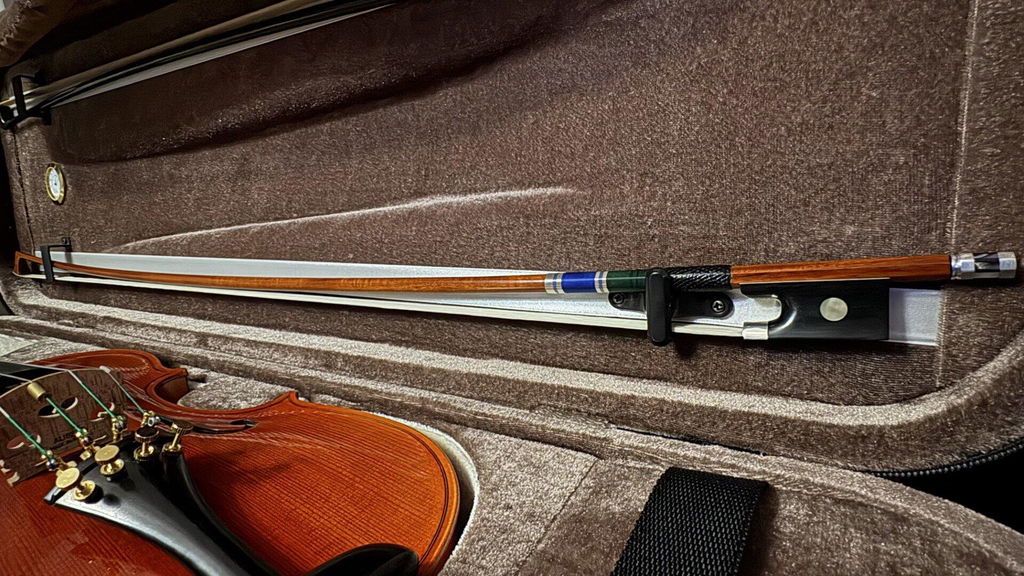
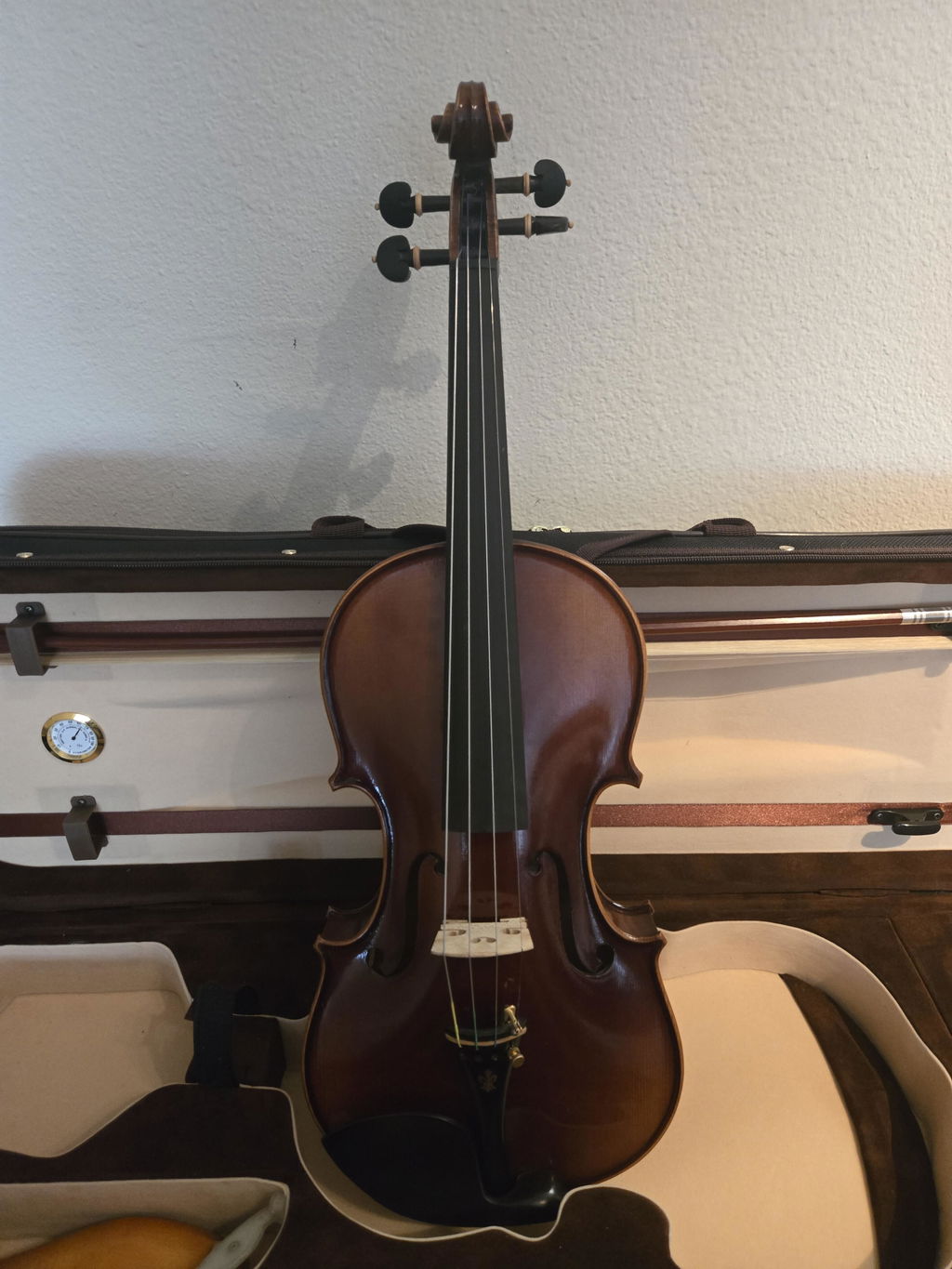
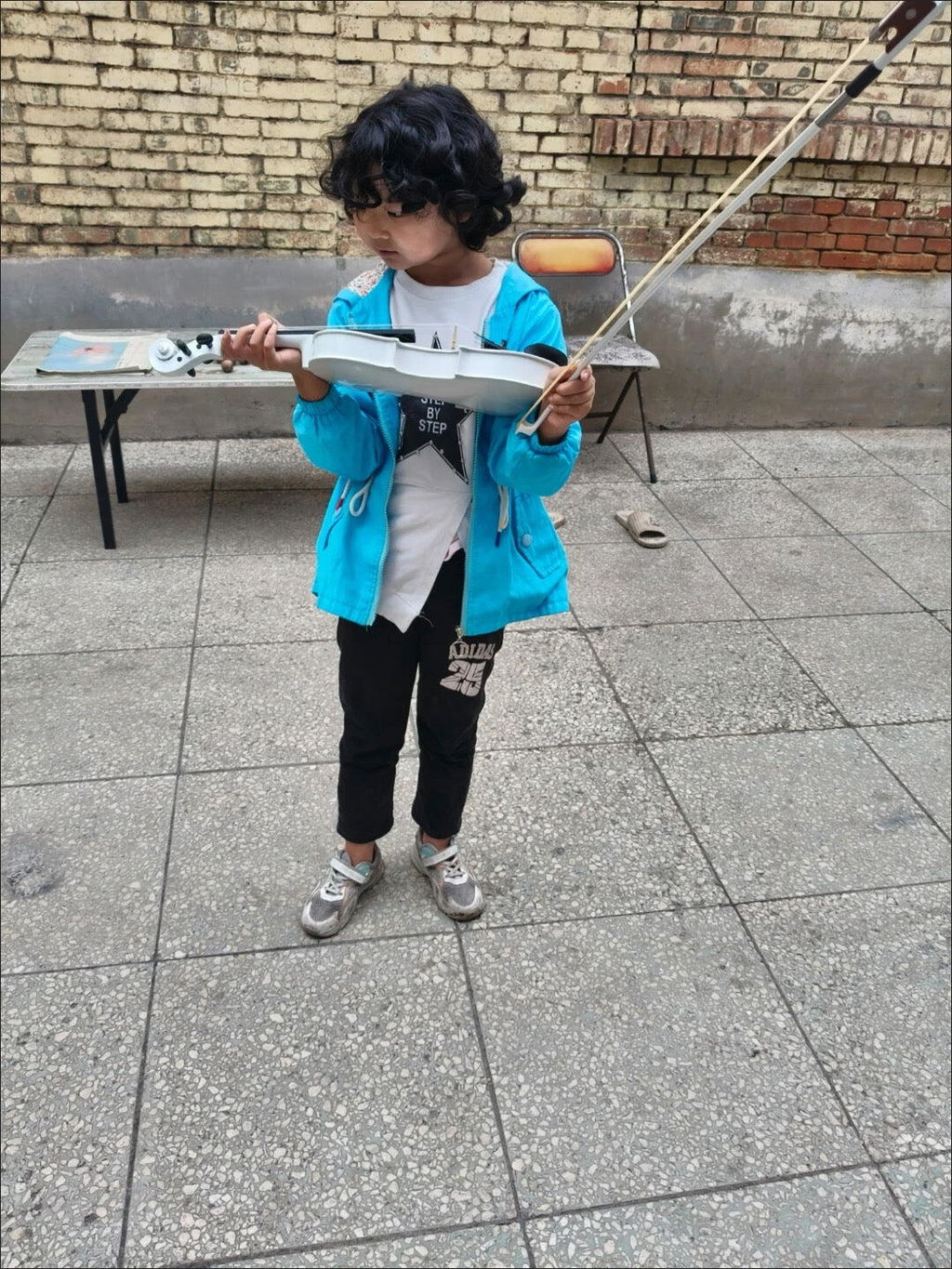
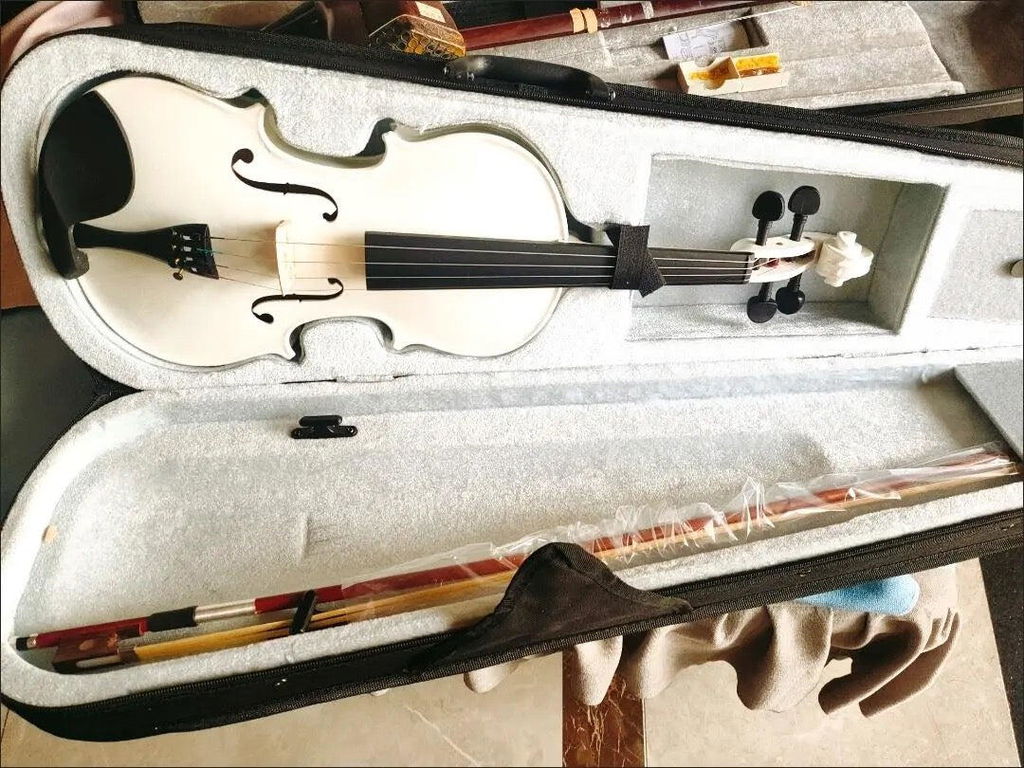
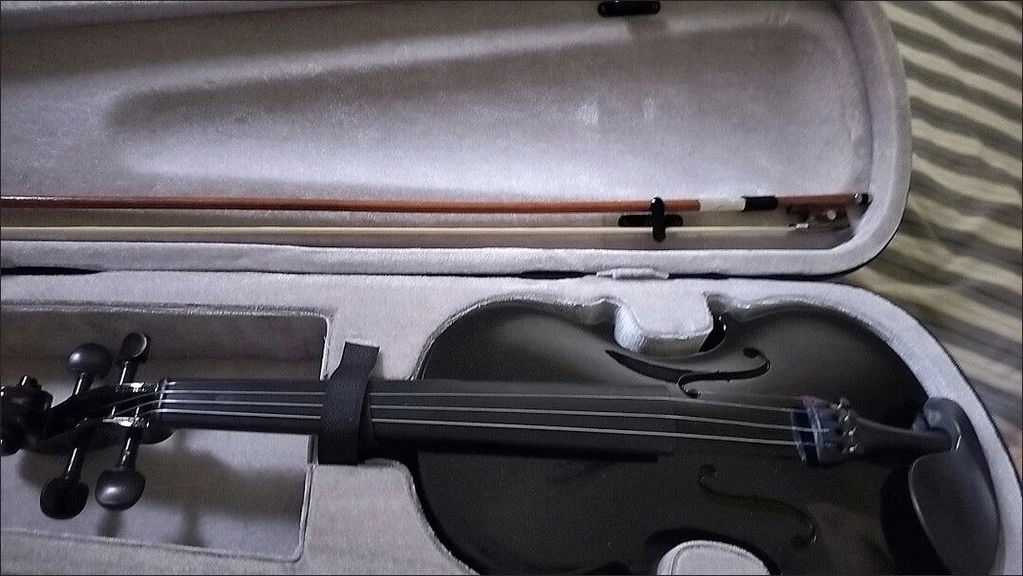
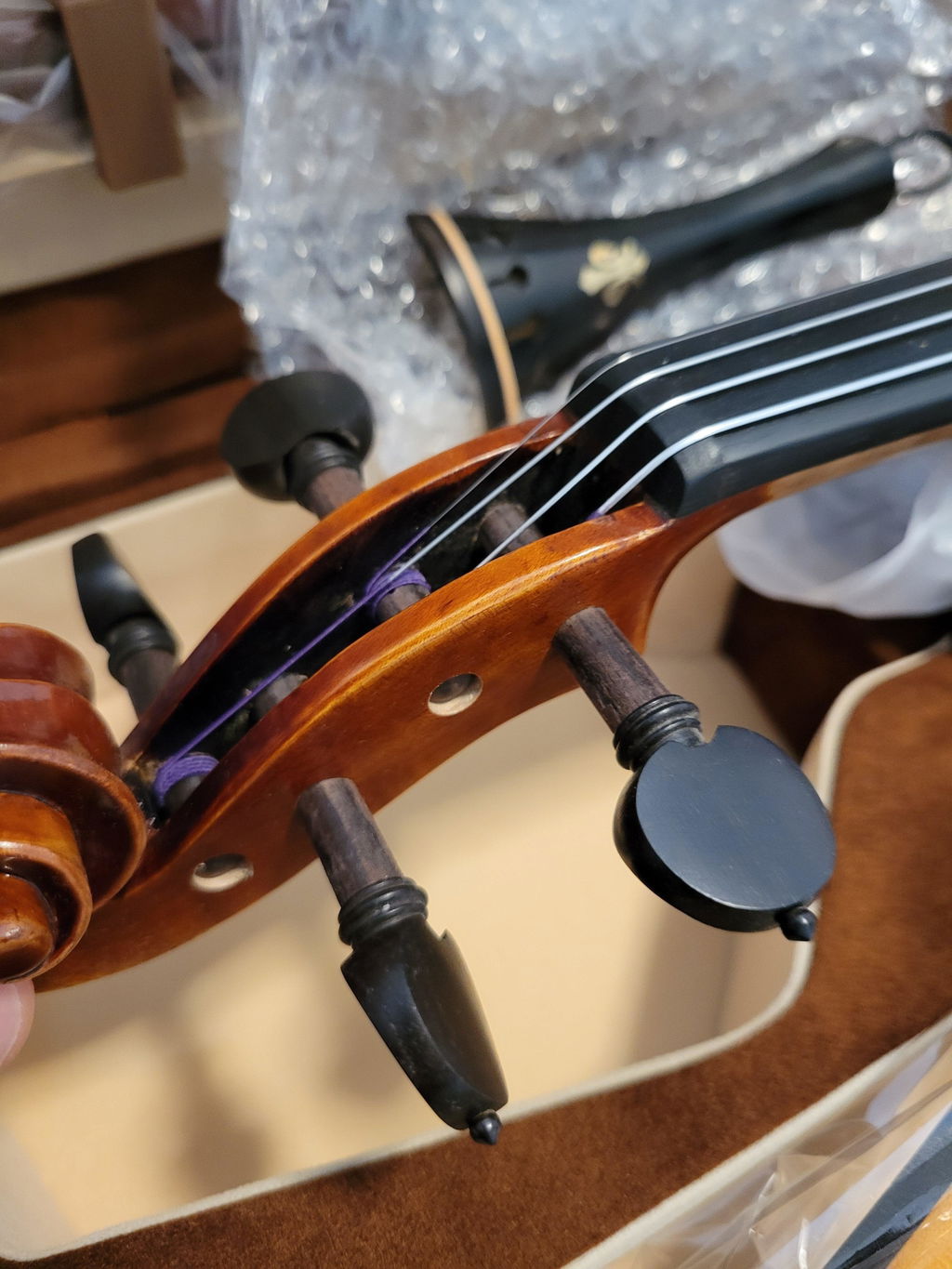
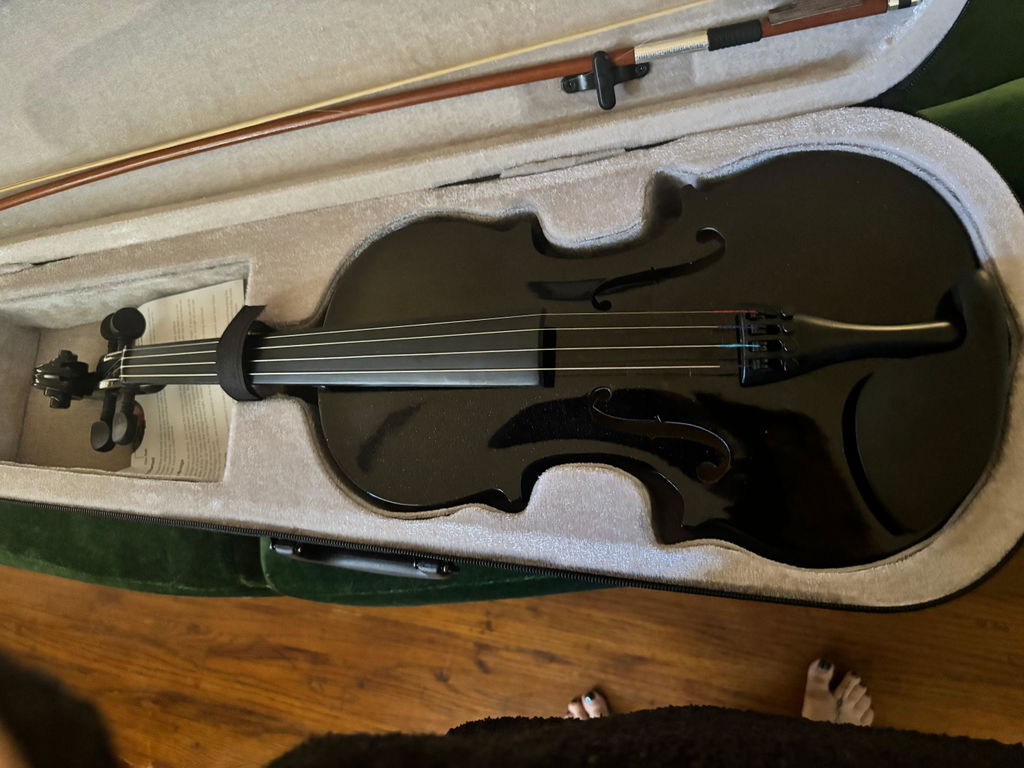
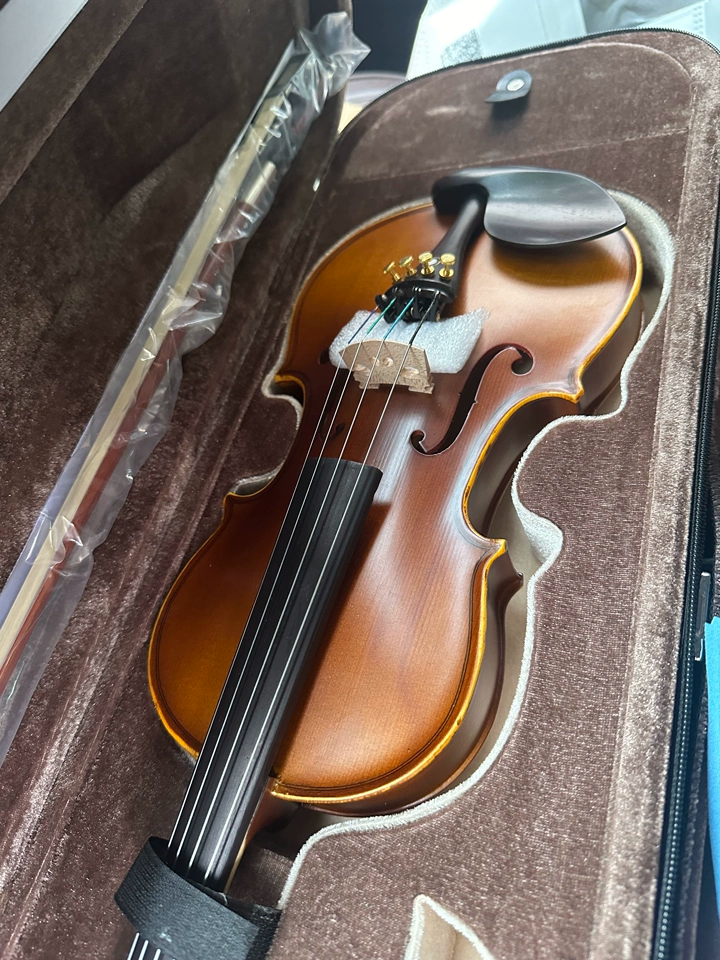
Every great violinist started somewhere. If you or someone you love is just beginning, choosing the right instrument makes all the difference — for comfort, tone, and staying motivated through those early months of practice.
Beginner Violin Collection
Carefully selected instruments for new players — quality craftsmanship at an approachable price.