


Why Do So Many People Quit the Violin?
Watch someone try the violin for the first time and one thing becomes obvious fast: this instrument does not want to be easy. A pianist presses clearly marked keys. A guitarist rests the instrument against the body with frets showing exactly where each note lives. The violin offers none of that. Your left hand searches a blank fingerboard while your right hand controls a bow that reacts to the smallest change in pressure, speed, and angle. Before the music turns beautiful, the whole experience can feel like a fight — and that fight is exactly why so many beginners quit long before they get good.
Why the Violin Feels Like a Fight at First
Every string instrument asks something of a beginner, but the violin asks for more at once: balance, hand independence, pitch accuracy, and bow control, all before you've played a real song. There is no shortcut around the early weeks. What there is, though, is a predictable pattern to where beginners struggle — and once you can name the pattern, it stops feeling like personal failure and starts feeling like a normal stage to work through.
The First Battle Is Posture
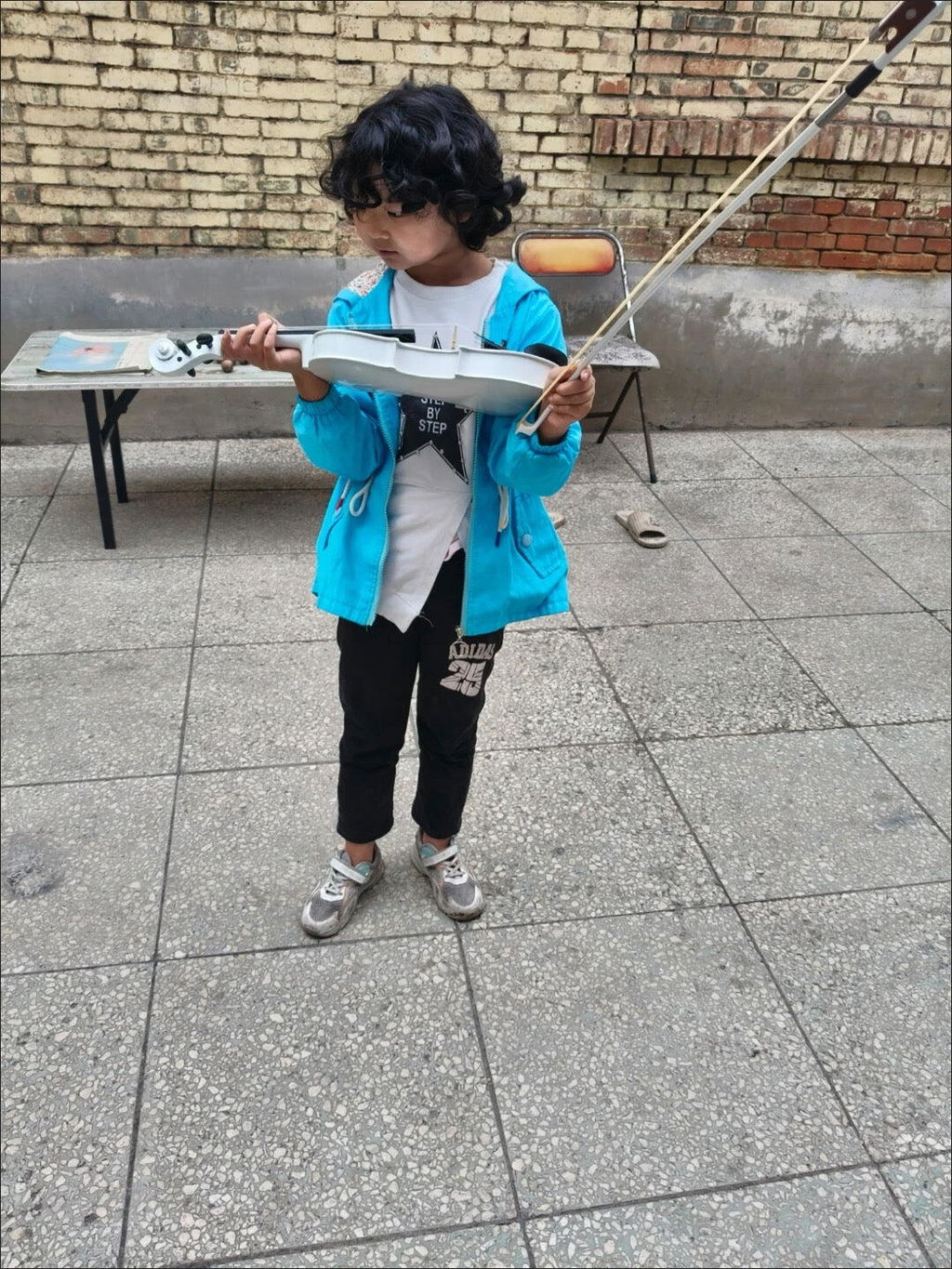
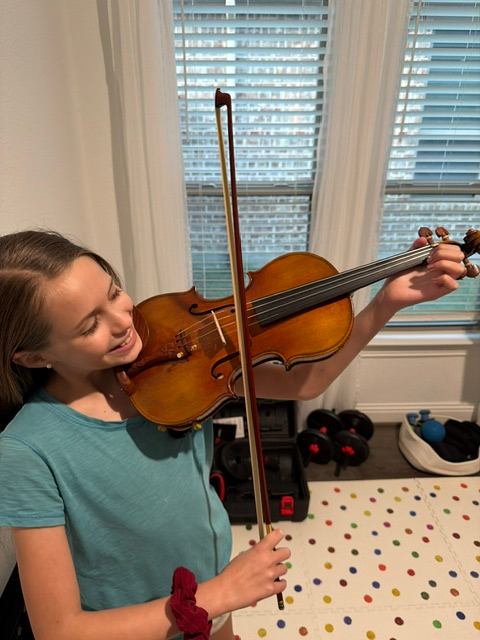
Holding a violin correctly is already a small feat of coordination. The instrument has to stay balanced between shoulder and jaw, the left hand needs to stay loose enough to shift and reach, and the right arm has to keep the bow moving in a straight line. Almost every beginner solves this the wrong way first: by tensing up.
- The shoulder lifts toward the ear
- The neck clamps down to hold the instrument in place
- The bow hand grips instead of resting
- The back stiffens to compensate
Twenty minutes later, the neck aches, the shoulder is sore, and the hands feel stiff instead of nimble. The irony is that good violin playing depends on relaxation, not force — but almost every player has to pass through a phase of unnecessary tension before their body learns to trust the instrument instead of fighting it.
Then Comes the Blank Fingerboard
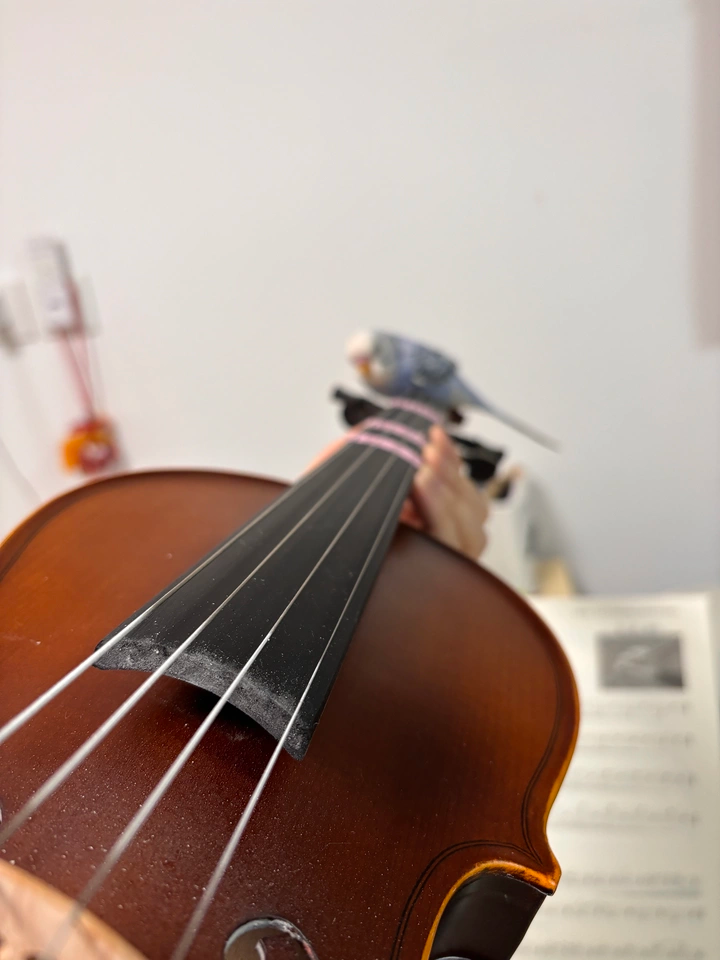
The violin fingerboard is almost cruelly simple: no frets, no markings, nothing to tell you where a note is. Land your finger slightly too high and the note goes sharp. Slightly too low and it goes flat. That tiny margin is enough to make a simple tune sound off, which is exactly why beginner violin has such a recognizable sound — before the instrument starts to sing, it can sound closer to a cat underfoot than to music. Violin students aren't just training their fingers during this stage. They're training their ears to hear pitch with real precision, often for the first time in their lives.
And the Bow Is a Whole Different Skill
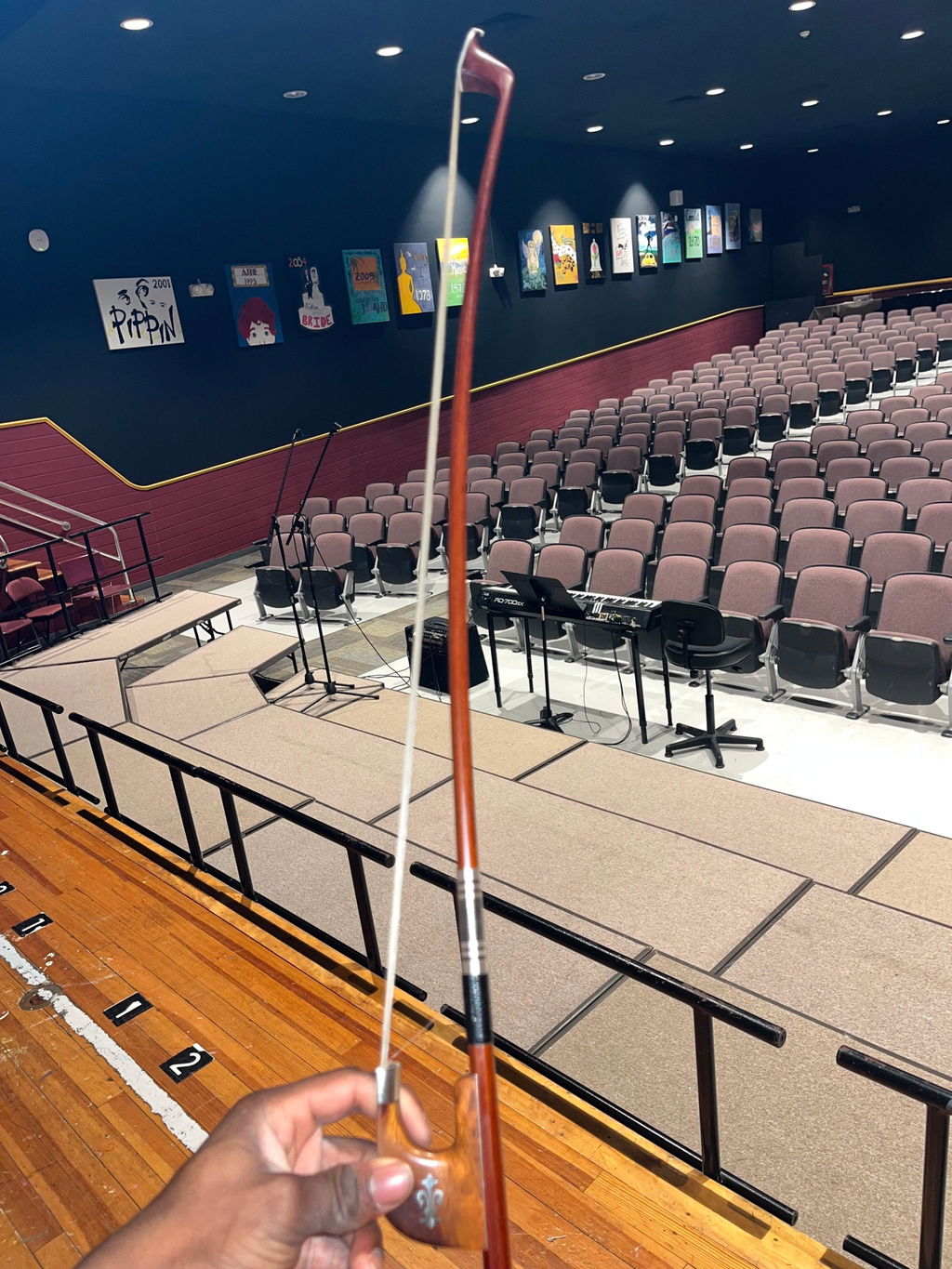
Finding the right note is only half the job. Making it sound good is the other half, and the bow is where that battle plays out. Too much pressure and the violin sounds like someone sawing wood. Too little and the tone goes thin and unstable. Move the bow too fast and the sound turns weak; too slow and it turns rough. The gap between a warm, resonant note and an ugly scratch is surprisingly small — which is exactly why beginners spend so much time on open strings, straight bow strokes, and scales that feel repetitive and, honestly, a little boring. Progress in these early months is often slower than beginners expect, and that mismatch between effort and audible improvement is probably the single biggest reason people quit.
Paganini: The Man Audiences Thought Had Made a Deal With the Devil
And yet this brutally demanding instrument produced one of the strangest legends in music history: Niccolò Paganini. Born in Genoa in 1782, Paganini played with a level of technique that nineteenth-century audiences could barely process. His left-hand pizzicato, ringing harmonics, enormous finger stretches, and blistering fast passages looked almost physically impossible — so audiences reached for a simpler explanation. He must have made a deal with the devil.
His gaunt appearance, unusually long fingers, and theatrical stage presence only fed the rumor. Modern researchers have suggested Paganini may have had unusually flexible joints or a connective-tissue condition that gave his hands exceptional range of motion, though nothing has ever been confirmed. What's certain is that his physical gifts, combined with obsessive practice, produced something audiences of his era had genuinely never witnessed. His 24 Caprices are still among the most feared and respected works in the violin repertoire — less like ordinary compositions and more like a challenge Paganini left behind for every violinist who came after him.
The Violins Nobody Has Fully Recreated
Paganini showed how mysterious the player could be. Stradivari and Guarneri showed how mysterious the instrument itself could be. More than three centuries later, their finest violins are still studied, scanned, measured, and copied by luthiers around the world — yet no one has found a single "secret" that explains everything. The wood matters. The arching matters. The thickness of the plates matters. The varnish matters. The instrument's age may matter. And perhaps most importantly, no two pieces of wood are identical, so even two violins built from the same model by the same maker can develop noticeably different voices. A violin isn't simply assembled — it's shaped, adjusted, listened to, and gradually brought to life.
How to Get Through the Hard Part
The early stage of learning violin is real, but it's also survivable — and largely predictable. A few habits make the difference between quitting in month two and still playing five years later.
- Practice in short, relaxed sessions. Fifteen focused minutes with a loose shoulder beats an hour of tense, fatigued playing. Tension trains bad habits into muscle memory just as easily as good technique does.
- Check your posture before your notes. If your shoulder is creeping up or your jaw is clamping down, stop and reset before continuing — fixing tension after it's set in is much harder than preventing it.
- Play slowly enough to hear pitch clearly. Speed hides intonation problems. Slow, deliberate practice is what actually trains your ear.
- Spend real time on open strings and long bows. It feels unglamorous, but bow control built here carries into every piece you'll ever play.
- Expect a plateau, and keep going anyway. The gap between effort and audible progress is widest in the first few months. It narrows — but only for the players who stay past it.
Why the Fight Is Worth It
The violin is difficult almost from the first minute. Your body fights the posture. Your fingers miss the notes. Your bow scratches instead of sings. Your ears catch every mistake. But eventually, something shifts. Fingers start landing where they're supposed to. The bow steadies. The ear sharpens. And for a few seconds, you produce the sound you'd imagined from the very beginning. That moment is often enough to keep a violinist going for years — because the same things that make the violin so difficult are exactly what make it so extraordinary once you get through them.
Frequently Asked Questions
How long does it take before the violin stops sounding bad?
Most beginners notice a real shift in tone quality somewhere between three and six months of consistent practice, though it varies with practice frequency and instrument setup. A well-adjusted instrument and a properly fitted bow make this stage noticeably shorter.
Is it normal for my shoulder and neck to hurt when I start?
Mild fatigue is common, but sharp or ongoing pain usually points to tension or a poorly fitted chinrest or shoulder rest, not something you have to push through. Adjusting the setup often solves it.
Does a better violin actually make learning easier?
Yes, more than most beginners expect. An instrument that's properly set up and easy to play removes one whole layer of struggle, so you're only fighting the normal learning curve — not also fighting the instrument itself.
What's the single best thing a beginner can do to avoid quitting?
Shorten the sessions and lower the bar for what counts as progress. Beginners who expect to sound good quickly get discouraged fastest; beginners who track small technical wins tend to stick around long enough to get there.
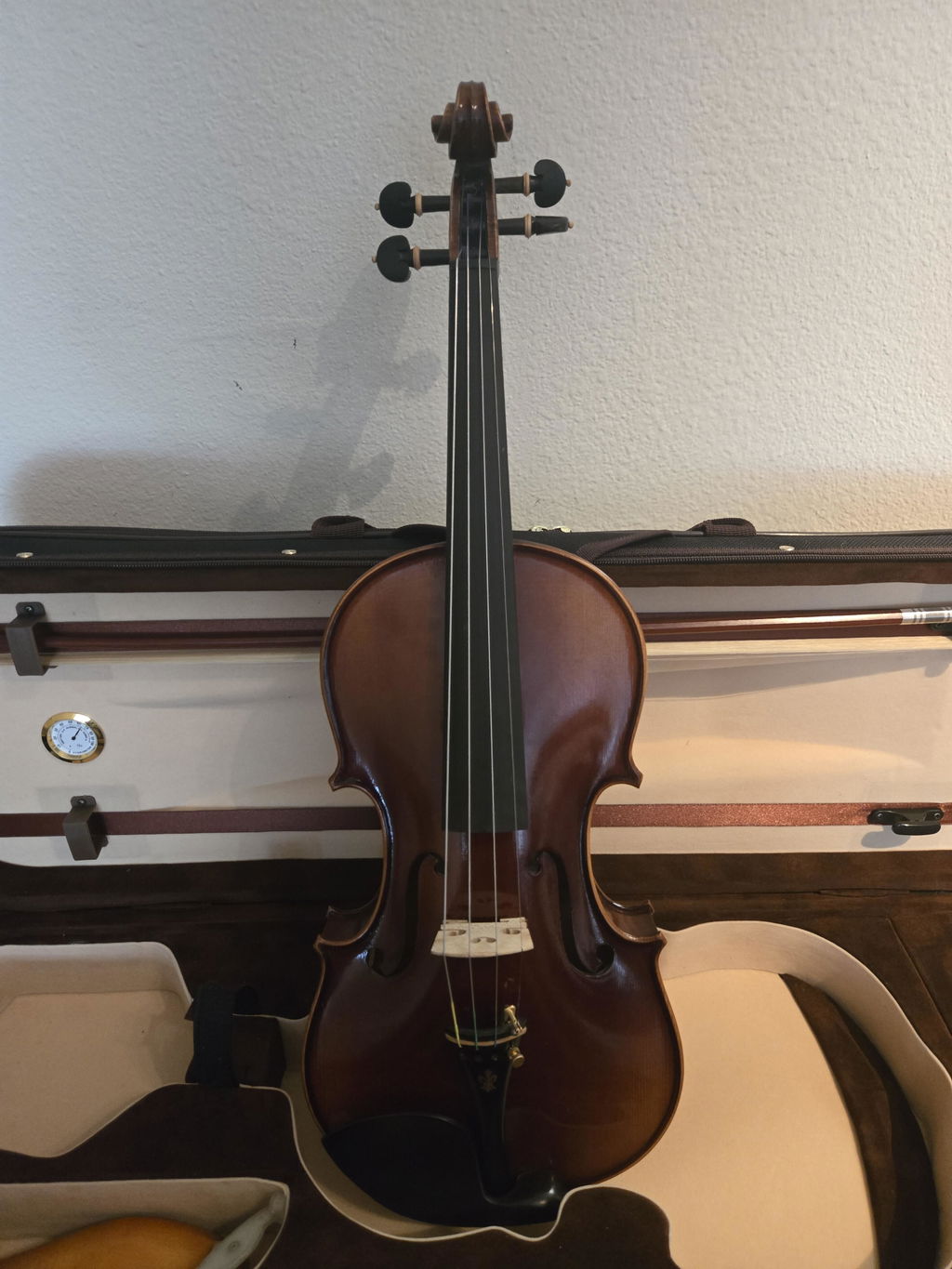
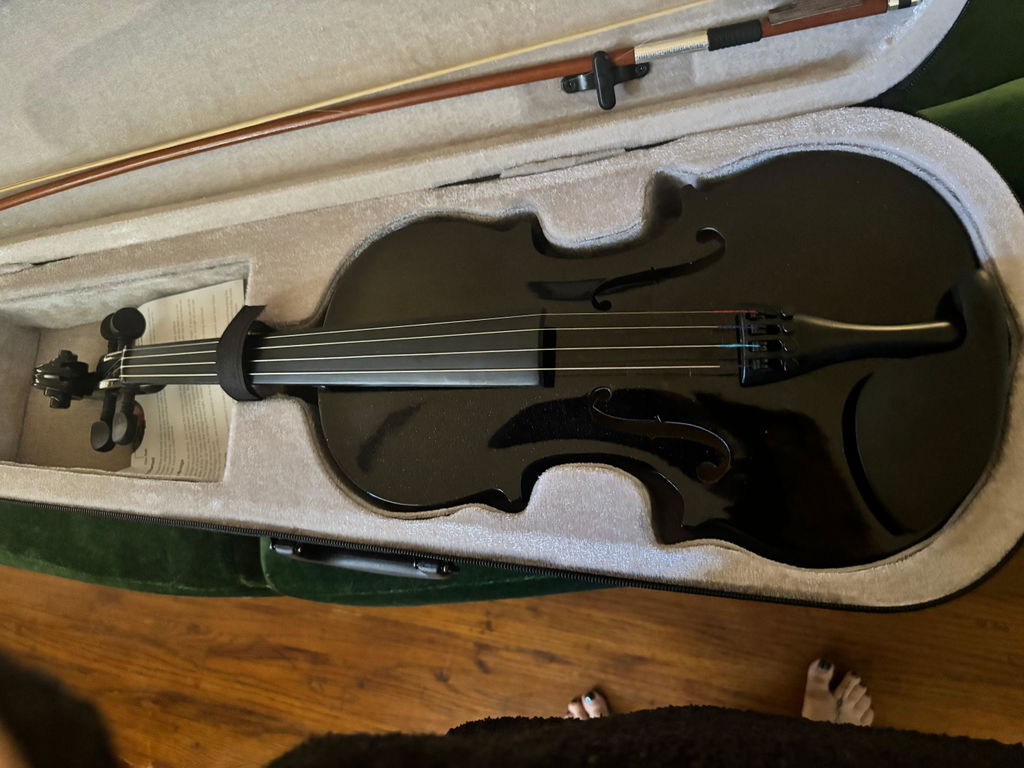
Starting out — or starting over? A well-fitted beginner violin makes every one of these early struggles easier to push through.
Shop Beginner Violin