


5 Essential Violin Practice Habits for Beginners: Complete Guide 2026
Learning to play the violin as a beginner requires more than just practice time—it demands smart practice habits. Whether you're taking violin lessons for the first time or teaching yourself, these five essential habits will help you progress faster, protect your instrument, and avoid common beginner mistakes.
Why Good Practice Habits Matter for Beginner Violinists
Before diving into specific techniques, understand that building proper habits from day one prevents years of correcting bad form later. Professional violinists like Itzhak Perlman emphasize that technique developed during beginner practice sessions becomes the foundation for advanced playing.
1. Prepare Your Hands Before Every Practice Session
Hand preparation is crucial for violin technique and injury prevention. Your hands and fingers are your primary tools for playing violin, and proper preparation directly impacts your practice quality.
Summer Hand Care for Violinists
During warm weather, sweaty hands can damage your violin and compromise your bow grip. Always:
- Wash hands thoroughly with soap and water
- Dry completely before touching your instrument
- Keep a small towel nearby during practice sessions
Clean, dry hands improve violin tone production and protect your instrument's varnish from moisture damage and rosin buildup.
Winter Hand Preparation Technique
Cold temperatures cause finger stiffness that severely impacts beginner violin practice. Fritz Kreisler, one of history's greatest violinists, used this method:
The warm water technique: Soak hands in comfortably warm (not hot) water for 2-3 minutes before practice. This quickly restores flexibility and finger sensitivity, especially important for learning proper finger placement on the fingerboard.
2. Always Tune Your Violin Before Practice
This is the #1 rule that beginner violinists often skip—never practice on an out-of-tune violin.
Why Tuning Matters for Beginners
Playing on mistuned strings creates serious problems:
- Muscle memory damage: If you adjust finger placement to compensate for out-of-tune strings, you'll develop incorrect hand positions
- Ear training interference: Practicing with wrong pitches damages your developing sense of pitch and intonation
- Progress delays: Bad tuning habits can set beginners back by months
How to Tune Your Violin Properly
Use the perfect fifth interval method:
- Get a reference A (440 Hz) from a tuner or pitch pipe
- Tune each adjacent string using perfect fifths
- Check open string resonance
Pro tip: New violins need frequent retuning during the first few weeks. The wood needs time to settle and stabilize. Don't be alarmed if your new violin goes out of tune quickly—this is completely normal.
Best Tuning Tools for Beginners
- Clip-on chromatic tuners (easiest for beginners)
- Smartphone tuning apps (free and convenient)
- Traditional pitch pipes (helps ear training)
3. Check Your Posture and Music Stand Height
Poor posture is the hidden enemy of violin progress. Many beginners develop chronic tension and bad tone quality because of incorrect setup.
The Critical Music Stand Rule
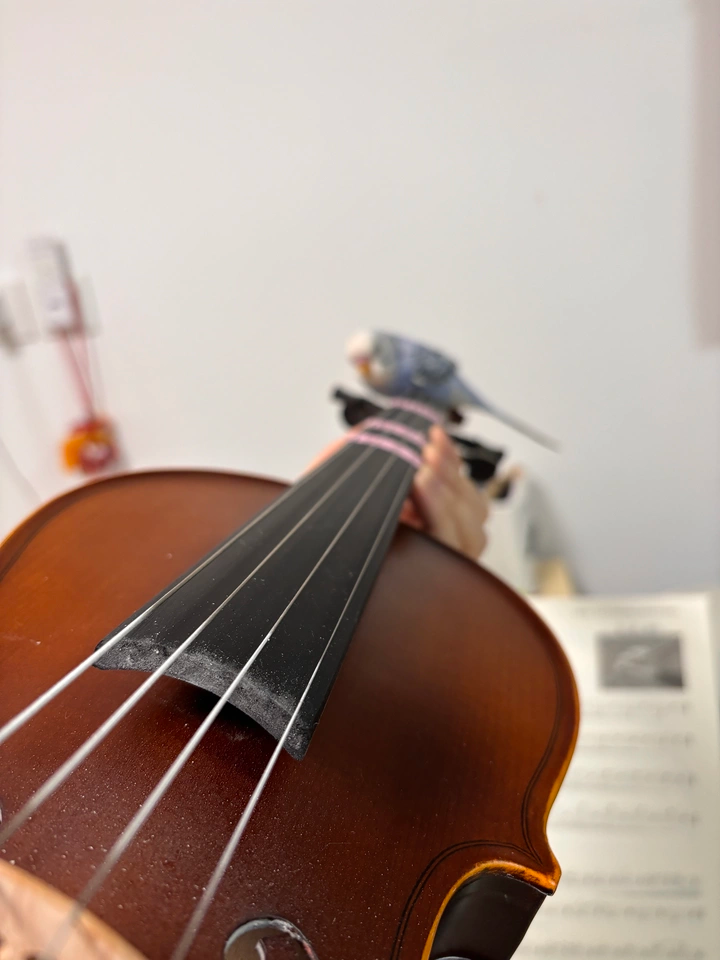
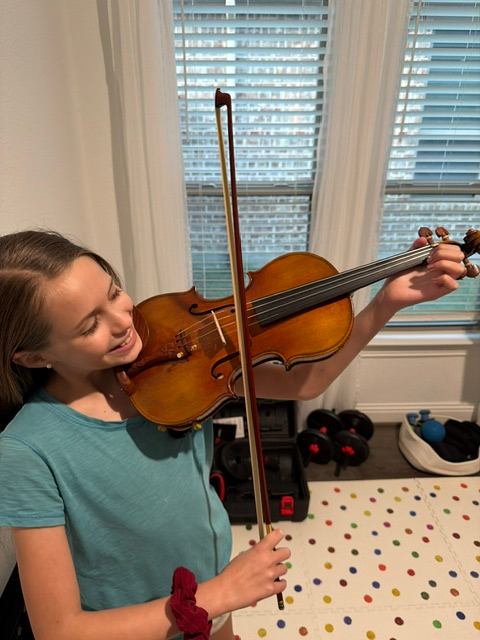
Your music stand height directly affects your playing posture. Set your music stand at eye level, creating a horizontal line between your eyes and the top of the music.
Problems Caused by Low Music Stands
When your stand sits too low, you'll naturally:
- Drop the violin scroll downward
- Hunch your shoulders and back
- Restrict your breathing
- Develop tension in your neck and left shoulder
- Struggle with bow control near the tip
These postural problems create cascading technical issues:
- Compromised violin tone quality
- Difficulty keeping the bow parallel to the bridge
- Bow slipping toward the fingerboard
- Limited left-hand shifting ability
- Unprofessional appearance, even with good technique
Benefits of Proper Posture for Violin Practice
Eye-level music stands promote:
- Natural upright posture (standing or sitting)
- Open chest for proper breathing
- Free left-hand movement across positions
- Confidence (no fear of dropping the violin)
- Optimal bow angle for clean, resonant tone
Remember: Good posture feels awkward at first but becomes natural with consistent practice. Many professional violinists credit proper setup as the foundation of their technique.
4. Practice Smart: Quality Over Marathon Sessions
How you practice matters more than how long you practice. This is especially true for beginner violinists still building foundational skills.
The Problem with Excessive Practice
Long, unfocused practice sessions lead to:
- Mental fatigue and loss of concentration
- Physical tension and potential injury
- Mindless repetition that reinforces mistakes
- Burnout and loss of motivation
The Better Approach: Focused Practice Intervals
Follow the 50-minute rule: Practice in 50-60 minute blocks, then take a 10-15 minute break.
Beginner practice schedule:
- Total beginners (first 2-3 months): 15-30 minutes daily
- Developing beginners (3-12 months): 30-45 minutes daily
- Intermediate beginners (1-2 years): 45-60 minutes daily
What to Do During Practice Breaks
- Stretch arms, shoulders, and neck
- Hydrate with water
- Step away from your instrument completely
- Rest your mind—avoid screens
- Do light physical movement
Research shows: Spaced practice with breaks improves retention and reduces injury risk. Your muscles and mind need recovery time to consolidate new skills.
5. Maintain Your Violin: Essential Care for Beginners
Proper violin care protects your investment and maintains optimal sound quality. Many beginners unknowingly damage their instruments through poor maintenance habits.
Never Do These Things
Unsafe placement: Never rest your violin on furniture edges, music stand arms, or soft surfaces like couches. One moment of carelessness can result in hundreds or thousands of dollars in repair costs.
Temperature extremes: Keep your violin away from:
- Air conditioning and heating vents
- Direct sunlight (even through windows)
- Car interiors (temperature swings are extreme)
- Radiators and space heaters
Rapid temperature and humidity changes cause:
- Wood warping and cracking
- Open seams and glue joints
- Soundpost shifting
- Tone deterioration
- Permanent structural damage
Daily Maintenance Routine
After every practice session (takes 2 minutes):
- Wipe down the violin top: Use a soft, lint-free cloth to remove all rosin dust from the instrument body and strings
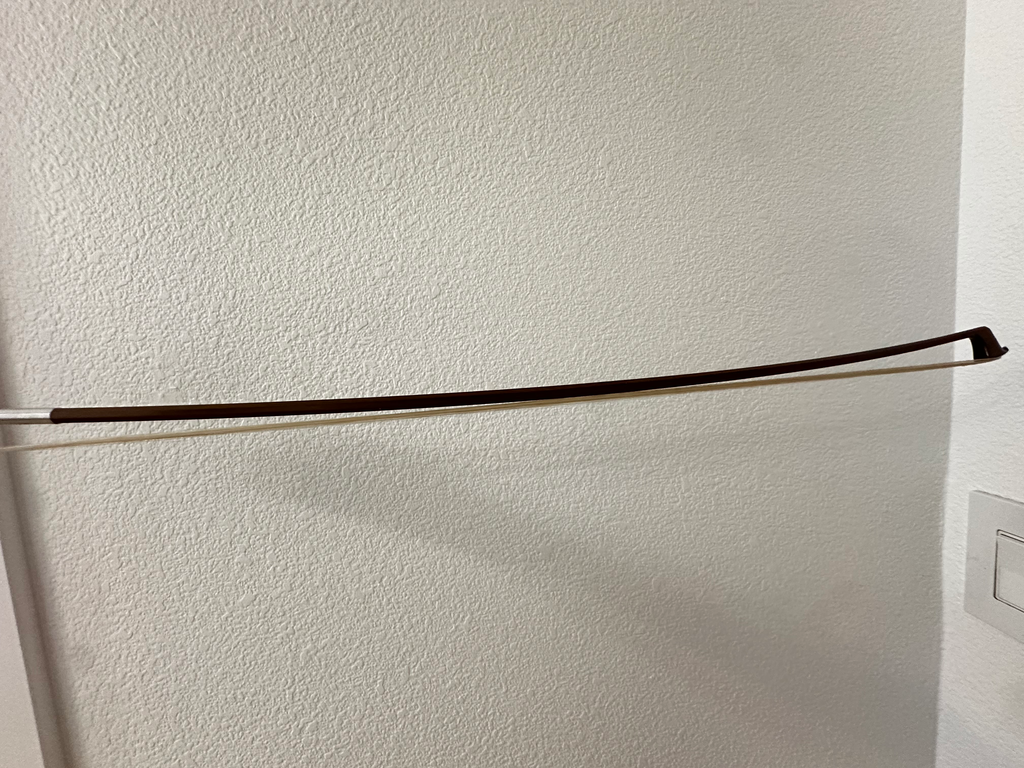
- Clean the bow stick: Gently wipe the wooden stick (avoid touching bow hair)
- Loosen the bow: Release tension after playing to preserve camber and extend bow life
Why Rosin Removal Is Critical
Rosin dust left on your violin:
- Absorbs atmospheric moisture and hardens into a sticky layer
- Dampens string vibration and reduces resonance
- Interferes with smooth bow-string contact
- Attracts dirt and grime
- Shortens bow hair lifespan
- Dulls your violin's varnish over time
Deep Cleaning for Older Instruments
If rosin dust has accumulated inside your violin (you'll hear rattling), try this method:
- Pour 2-3 tablespoons of uncooked white rice through the f-holes
- Gently tilt and rotate the violin
- Pour the rice out—it will collect the internal dust
Warning: Do this carefully and infrequently. If you're concerned, consult a luthier.
Recommended Violin Care Products
- Microfiber polishing cloth (specifically for violins)
- Professional violin polish (use sparingly, 2-3 times per year)
- Hygrometer to monitor humidity levels (ideal: 40-60%)
- Violin case humidifier for dry climates
Building Your Beginner Violin Practice Routine
Now that you understand these five essential habits, here's how to incorporate them into a daily practice routine:
Your 30-Minute Beginner Practice Session
Minutes 0-2: Hand preparation and setup
- Warm water hand soak (if needed)
- Tune your violin
- Adjust music stand to eye level
Minutes 2-7: Warm-up exercises
- Open string long bows (focus on tone)
- Simple bow exercises
- Left-hand finger stretches on the fingerboard
Minutes 7-15: Technical practice
- One-octave scales (different scale each day)
- Basic bowing patterns
- Finger placement exercises
Minutes 15-25: Repertoire work
- Practice difficult sections first (while focus is fresh)
- Run through complete pieces
- Work on specific technique challenges
Minutes 25-28: Review and cool-down
- Play through a favorite easy piece
- Note what to focus on tomorrow
Minutes 28-30: Instrument care
- Wipe down violin and strings
- Clean bow stick
- Loosen bow hair
- Return violin to case
Common Beginner Violin Practice Mistakes to Avoid
- Skipping the warm-up: Jumping straight into difficult passages causes tension and injury
- Practicing mistakes: Slow practice prevents reinforcing errors
- Ignoring pain signals: Stop immediately if you feel pain (not to be confused with normal beginner muscle fatigue)
- Inconsistent practice schedule: Daily 20-minute sessions beat occasional 2-hour marathons
- No clear goals: Know what you're working on before you start
How Long Before I See Progress?
Realistic expectations for beginner violinists:
- Week 1-4: Getting comfortable with holding violin and bow
- Month 2-3: Playing simple songs on one string
- Month 4-6: Basic scales and easy beginner pieces
- Month 6-12: Two-octave scales, shifting to third position, vibrato introduction
Progress speed varies based on:
- Practice consistency and quality
- Quality of instruction (teacher or self-guided)
- Previous musical experience
- Natural aptitude and physical coordination
Remember: The violin is among the most challenging instruments to learn. Celebrate small victories and focus on steady improvement over time.
Tips for Staying Motivated as a Beginner
Learning violin requires patience. Here's how to stay motivated:
Track your progress: Record yourself monthly to hear improvement you might not notice day-to-day
Join a community: Connect with other beginner violinists online or in-person for support and encouragement
Set small achievable goals: "Learn the A Major scale this week" beats "become a great violinist"
Play music you love: Balance technical exercises with fun songs that keep you excited
Consider violin lessons: A good teacher provides accountability, proper technique correction, and structured curriculum
Frequently Asked Questions About Violin Practice
Q: How often should beginner violinists practice?
A: Daily practice is ideal, even if only 15-20 minutes. Consistency matters more than duration for building muscle memory and technique.
Q: Should I practice violin standing or sitting?
A: Most teachers recommend standing for better posture, breathing, and freedom of movement. Sitting is acceptable if you maintain proper posture and bow angle.
Q: What if I miss a practice day?
A: Don't stress—resume your routine the next day. One missed day won't derail your progress, but avoid making it a habit.
Q: Do I need a shoulder rest?
A: Most beginners benefit from shoulder rests for comfort and stability. Experiment to find what works for your body type.
Q: How do I know if I'm practicing correctly without a teacher?
A: Record yourself and compare to professional videos. Consider online violin lessons or periodic in-person consultations for feedback.
Conclusion: Start Building Better Practice Habits Today
These five essential habits—hand preparation, proper tuning, correct posture, smart practice scheduling, and diligent instrument care—form the foundation of successful violin learning. Master these basics during your beginner phase, and you'll progress faster while avoiding the frustration and injuries that plague many new violinists.
Your action steps:
- Set up your practice space with proper lighting and eye-level music stand
- Establish a consistent daily practice time (even 15 minutes counts)
- Implement these five habits into every practice session
- Track your progress weekly
- Consider working with a qualified violin teacher for personalized guidance
Remember: Every professional violinist started as a beginner. With patience, consistent practice, and proper habits, you'll steadily improve and discover the joy of making beautiful music.
Ready to start your violin journey? Visit Fiddlover Violin Shop for quality beginner violins, accessories, and expert advice.
Related Resources:
- Why Is Violin Tuning So Difficult? Causes & Practical Solutions for Beginners
- Six Essential Tips for Beginners Practicing Violin Fingerings
- How to Choose and Care for a Violin Bow?
- Top 7 Music Conservatories in the United States for Learning the Violin
Fiddlover Violin Shop | Supporting violin students since 1999 | Follow us for more violin tips and techniques