


What Level Can You Reach After One Year of Violin Lessons? A Complete Guide
Thinking about learning violin but wondering: "Can I really learn violin in one year?" "How much do I need to practice daily?" "What songs will I actually be able to play?" This comprehensive 365-day violin practice roadmap gives you clear goals and concrete steps to eliminate confusion and track your progress.
What Does "Serious Practice" Actually Mean?
Before we dive into what you can achieve, let's define what counts as serious, effective violin study:
Essential Requirements
Professional Instruction: Weekly lessons (minimum once per week) with a qualified violin teacher. In-person lessons typically produce better results than online instruction, especially for beginners.
Consistent Practice Schedule: At least 5 days of regular practice per week. Rest days are important for muscle recovery and mental consolidation—they're part of the learning process, not wasted time.
Focused Practice: Every practice session must involve deliberate, focused work—not just mindless repetition. Quality matters more than quantity (we'll explain exactly what this means below).
Long-term Commitment: Sustained effort throughout the entire year, pushing through plateaus and moments of frustration.
Required Equipment
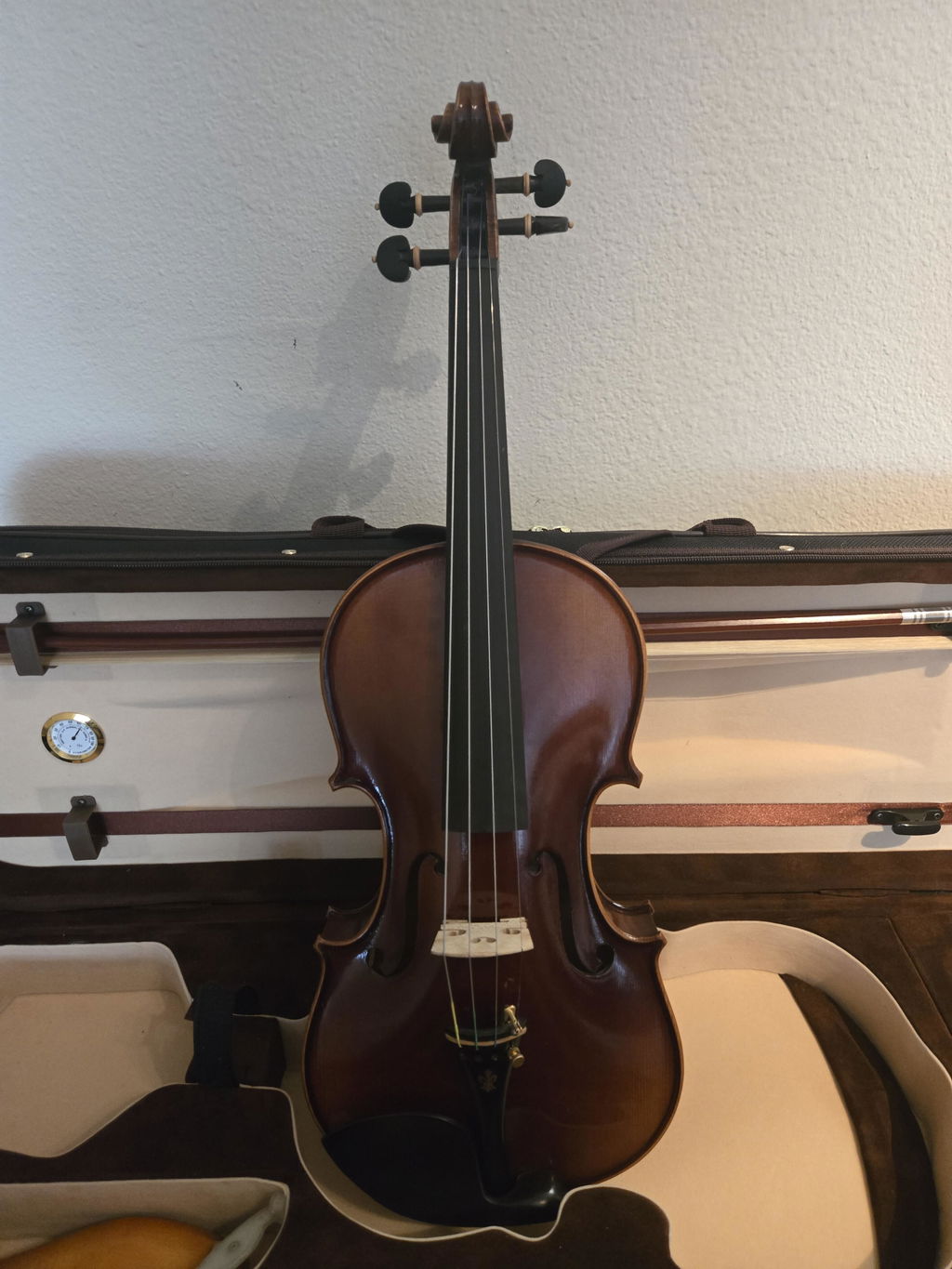
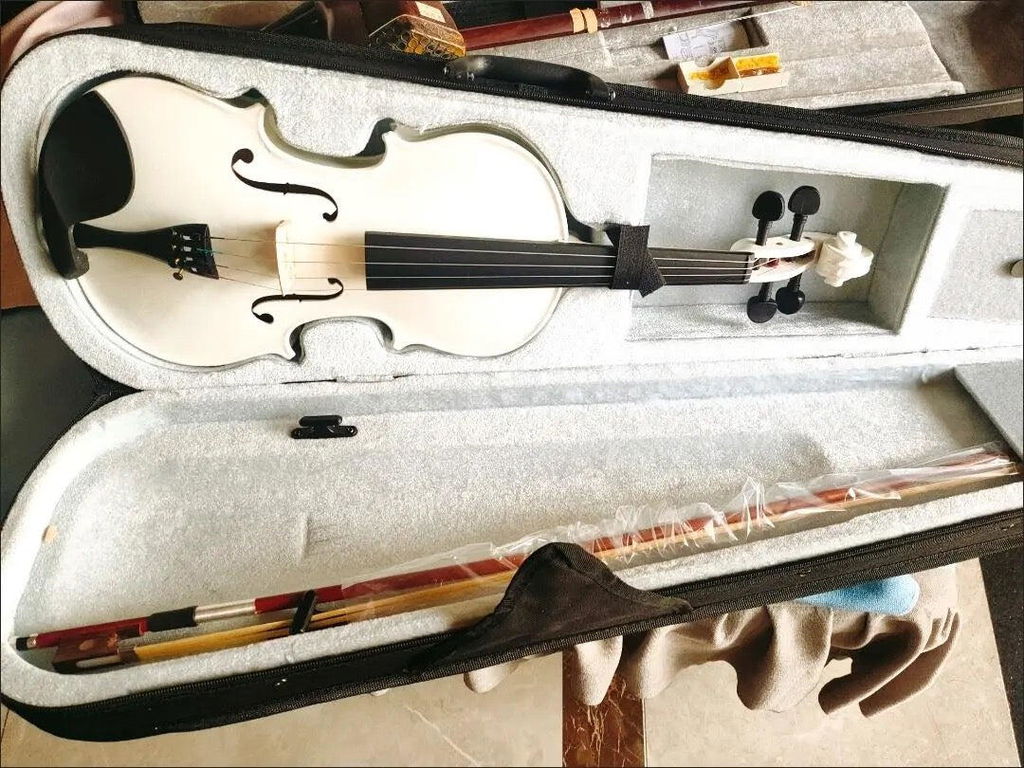
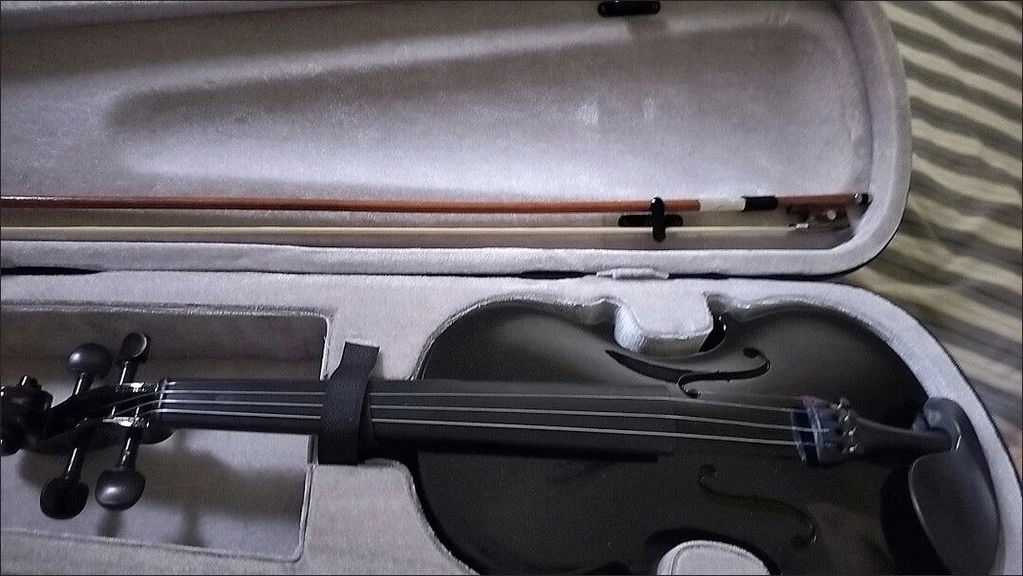
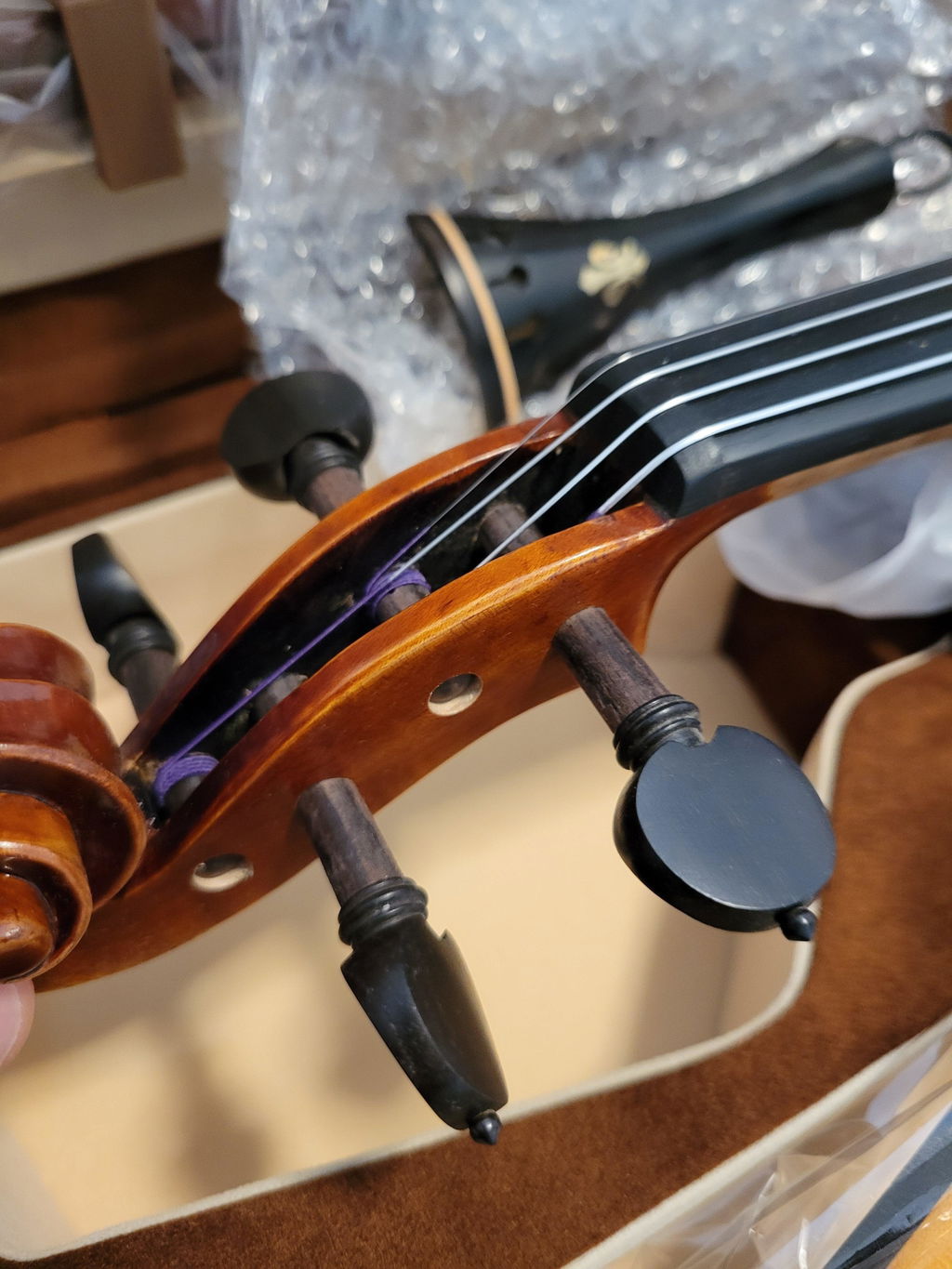
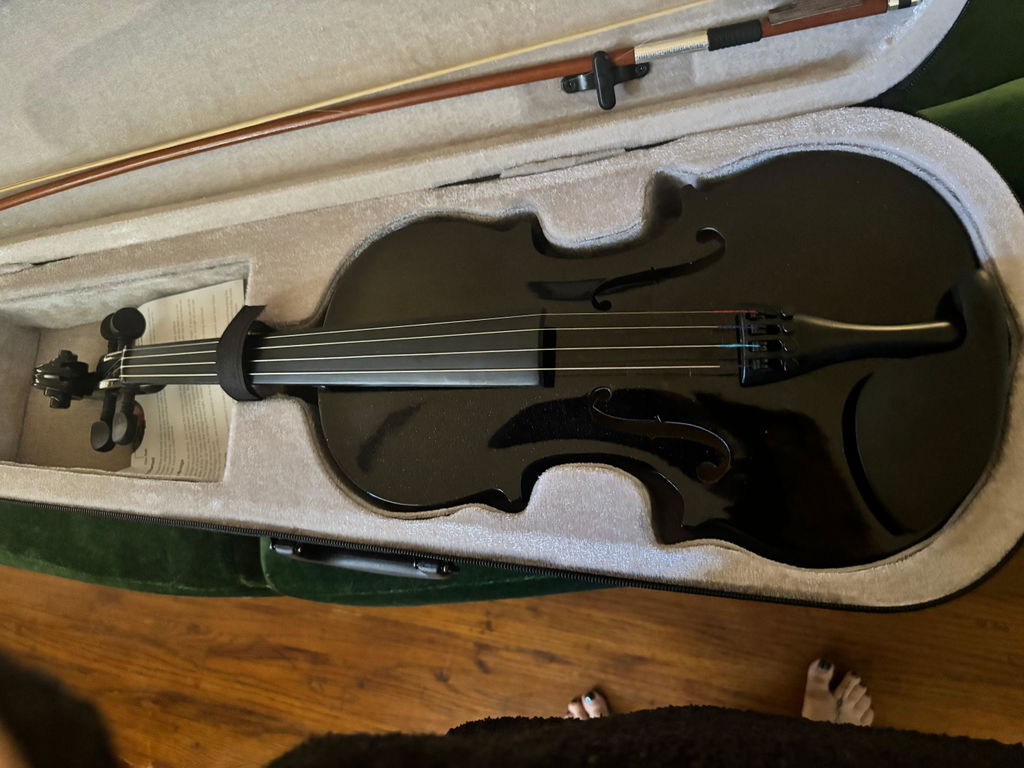
- A proper practice violin: The instrument must have accurate intonation and comfortable playability. Consult your teacher before purchasing or consider renting initially.
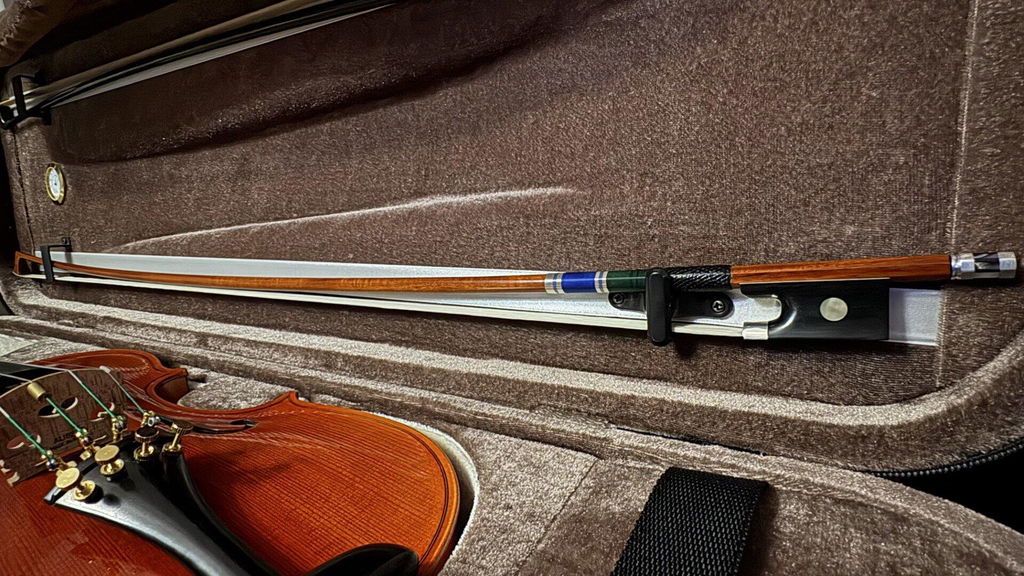
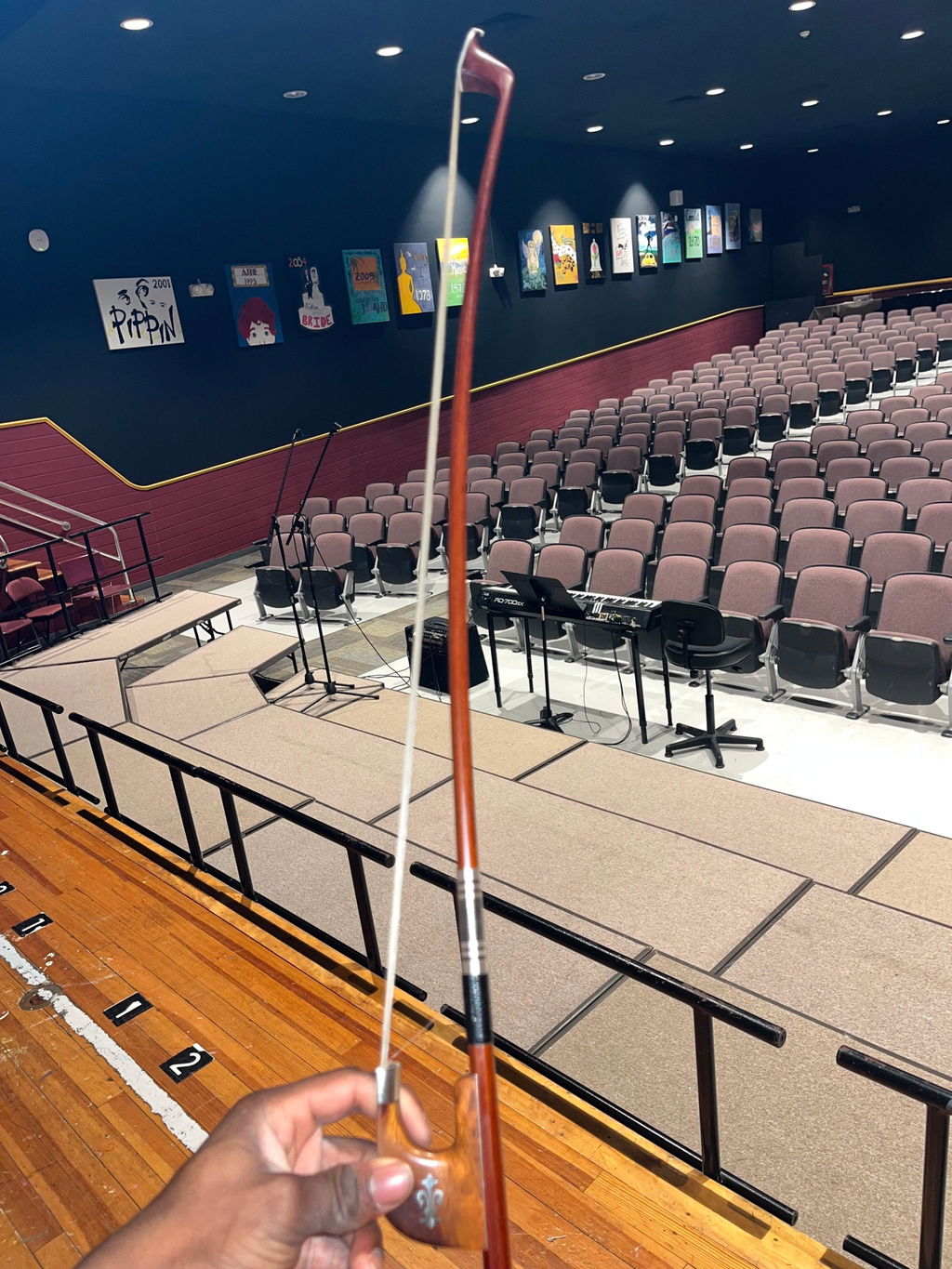
- Essential accessories: Quality bow, shoulder rest (needed by most beginners), rosin, metronome (absolutely essential!), and tuner (equally essential!).
- Method books: Systematic study materials like Wohlfahrt Violin Studies Op.45 (first half) and Kayser Etudes Op.20 (opening studies).
Daily Practice Time: How Much Is Enough?
Recommended Practice Duration
Ideal target: 60-90 minutes of effective practice daily. This is the foundation for significant progress within one year.
Minimum threshold: If your schedule is truly packed, 30-45 minutes daily is the bare minimum to maintain forward momentum, though progress will be noticeably slower.
The Golden Rules of Effective Practice (More Important Than Duration!)
Time spent doesn't equal progress—here's how to make every minute count:
- Set Clear Goals: Before each session, identify exactly what you're working on (specific notes, bow techniques, rhythmic passages, etc.).
- Practice Slowly and Precisely: Use your metronome! Slow down until you can execute with 100% accuracy in pitch and rhythm. Slow practice is the mother of fast playing.
- Break Down Challenges: Don't just play through pieces repeatedly from start to finish. Isolate difficult passages, measures, or even just a few notes, and practice them with intense focus.
- Listen Actively: Constantly monitor your intonation, tone quality, and rhythm with your ears. Recording yourself and listening back is an excellent way to identify problems.
- Apply Teacher Feedback: Issues your teacher points out in lessons should become your practice priorities. Be as critical of yourself during home practice as your teacher is during lessons.
Sample 60-Minute Practice Structure
Fundamentals (20-25 minutes)
Open Strings (5-8 minutes): Practice whole bow, upper half, lower half, separate bows at various speeds, and slurred bows (2-note, 4-note slurs). Goal: smooth, even, clean sound without scratches or squeaks. This builds your tone foundation!
Scales & Arpeggios (10-12 minutes): Start with one-octave scales in C major, G major, and D major. Always use a metronome, beginning slowly to ensure every note is in tune. This develops pitch accuracy and finger independence—it's absolutely core to your progress!
Finger Exercises/Etude Excerpts (5 minutes): Work on Ševčík left-hand exercises or technical challenges from your current etudes.
Etudes (20-25 minutes)
Focus on your current study pieces (Wohlfahrt, Kayser, etc.). Target specific technical challenges: string crossings, position changes, special bow strokes. Prioritize accuracy first, then gradually build fluency.
Repertoire Pieces (15-20 minutes)
Practice your assigned pieces or songs, applying the techniques you've worked on. Pay attention to musicality—simple dynamics, phrasing, and expression. Work toward complete, polished performances.
Cool-down: End each session by playing something familiar and enjoyable—a simple tune you love. This reinforces positive feelings about playing and celebrates your accomplishments.
What You Can Realistically Achieve in One Year (365 Days)
Assuming you follow the "serious practice" definition above—weekly lessons and averaging 60+ minutes of effective daily practice—you can typically reach approximately Grade 3 level (ABRSM or equivalent).
Core Skills You'll Master
1. Posture and Instrument Hold
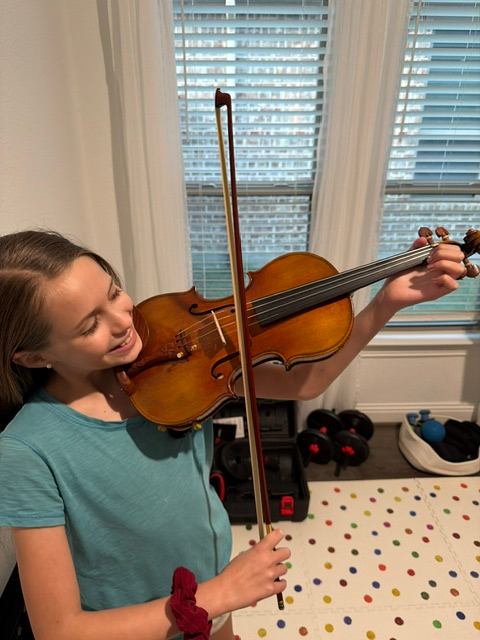
Your violin and bow hold will become stable, relaxed, and natural. You'll be able to play for extended periods without excessive tension or pain.
2. First Position Mastery
You'll accurately finger all natural notes and common accidentals in first position. You'll develop finger independence and control over finger pressure.
3. Fundamental Bow Techniques
- Détaché (separate bows): Stable, even strokes at moderate speeds
- Legato (slurred bows): Smooth 2-note and 4-note slurs with seamless string crossings
- Comfortable use of whole bow, upper half, lower half, and middle sections
4. Tone Quality
You'll eliminate the dreaded "scratchy, squeaky" beginner sound and produce relatively clear, stable tones with some resonance. You'll develop awareness of tone quality and begin pursuing better sound.
5. Rhythm and Sight-Reading
You'll play steadily with a metronome and master common time signatures (4/4, 3/4, 2/4) and basic rhythm patterns (whole, half, quarter, eighth notes plus corresponding rests).
You'll develop basic sight-reading ability—slowly working through simple new music with some stumbles.
6. Music Theory Basics
You'll understand treble clef, note values, basic rhythmic notation, key signatures (common major keys), and dynamic markings (p, f, etc.).
7. Introduction to Position Shifts
Some faster-progressing or highly dedicated students will begin exploring second and third positions, though not with the same comfort as first position.
Repertoire You'll Be Able to Play
Scales and Arpeggios: C, G, D, A, and F major (one octave, possibly beginning two octaves)
Etudes: Wohlfahrt Op.45 first half (approximately No.1-20), first few Kayser Op.20 studies, or equivalent-level exercises
Pieces:
- Numerous simple folk songs and children's songs arranged for violin
- Easy Baroque/Classical pieces (such as most pieces in Suzuki Books 1-3, including various Minuets by Bach and Boccherini, Gavottes, etc.)
- Simple, beautiful film music or popular song arrangements
- 2-3 more substantial Grade 3-level pieces performed with reasonable completeness and musical expression (examples: Bach's Minuet in D minor, Handel's Bouree, or similar difficulty)
What You WON'T Yet Achieve After One Year
Perfect Intonation: Especially in higher positions, complex fingerings, double stops, and fast passages—pitch accuracy remains an ongoing challenge.
Fluent Fast Playing: Rapid scales, arpeggios, and passages with many notes will lack the speed and clarity of advanced players.
Sophisticated Tone Colors: Tone control remains elementary. You won't yet produce the nuanced, deeply expressive tonal variations of experienced violinists.
Advanced Bow Techniques: Spiccato (bouncing bow), staccato, martelé, and other advanced strokes will be either untouched or very rudimentary.
Smooth Position Changes: Shifting will be inconsistent, with pitch and fluency issues. Higher positions remain uncomfortable.
Vibrato: You may just begin learning this technique, but it will be stiff and unnatural, far from integrated into your playing.
Major Works: Concertos, sonatas, Paganini caprices, and similar repertoire remain completely beyond reach.
Adults vs. Children: One-Year Differences
Adult Advantages
Understanding and Goal-Setting: Adults grasp music theory, practice methods, and musical structure more quickly. They practice with clear purpose and typically demonstrate better self-discipline.
Effective Practice Application: Adults better understand and apply "deliberate practice" principles, solving problems more systematically.
Adult Challenges
Physical Development: Finger agility, left-right hand coordination, and muscle memory typically develop more slowly than in children.
Tension Issues: Adults more easily develop stiffness and require extra effort to stay relaxed. Flexibility training becomes more important.
Time Consistency: Work and life pressures may create irregular practice schedules and variable mental states, unlike children's more structured routines.
Perfectionism: Adults may become discouraged comparing themselves to "prodigy children" or when progress doesn't meet expectations.
The Bottom Line
After one year, adult technical skills (especially finger agility and speed) may lag slightly behind equally dedicated children. However, adults often show advantages in musical understanding, expressive control (within their technical capabilities), and practice methodology application.
Critical Reminders for Success
Individual Variation Is Huge: Natural aptitude, practice efficiency, teacher quality, physical attributes, and time invested all dramatically affect outcomes. The levels described above represent typical achievable ranges under our "serious practice" definition.
Beware "Fake Practice": Mindless, unfocused repetition wastes time. Always maintain "deliberate practice" mode—every session should have clear goals and active mental engagement.
Your Teacher Is Key: A good teacher provides precise corrections, plans your learning path, and keeps you motivated while preventing bad habits. Regular lessons are non-negotiable.
Enjoy the Journey: Don't fixate solely on your one-year endpoint. Celebrate every small victory. Feel the joy when the strings vibrate beneath your fingers. Every correctly played note, every smoothly executed phrase deserves recognition.
Your Journey Starts Now
365 days isn't a finish line—it's a beginning. When you stick with it, you'll discover you can tell simple stories through music. Your ears will become more sensitive to sound. Your focus and perseverance will strengthen. You'll own an artistic skill that can accompany you throughout life and express your innermost feelings.
Pick up your violin and begin your 365-day transformation today. Time will witness your dedication and reward your effort.
Related articles recommended:
5 Essential Violin Practice Habits for Beginners: Complete Guide 2026
Advice For Those Who Are Starting To Learn the Violin
Top 7 Music Conservatories in the United States for Learning the Violin