


Why Does Most Violin Playing Sound So Bad?
When violin students sound terrible, the usual explanation is simple: not enough practice, sloppy technique, weak fundamentals. That explanation is wrong — or at least, wildly incomplete. Technique is a small piece of the puzzle. The bigger culprit is almost always the violin itself.

The instrument sets the ceiling
Here's a thought experiment: what if Itzhak Perlman — one of the greatest violinists alive — played a cheap student violin? Would it sound good?
In one sense, yes. His intonation would be perfect, his rhythm impeccable, the melody recognizable and musical. But ask a trained musician to evaluate the tone, and the verdict would be clear: it sounds like a cheap violin. No amount of skill can lift an instrument beyond its own physical limits.
This is the fundamental truth most people miss: the player controls the melody; the violin controls the tone.
Even intonation — hitting the right pitches — is more connected to the instrument than most people realize. A violin built to proper standards has its fingerboard and string spacing engineered so that the correct hand positions naturally fall in the right places. Students don't need to hunt for notes; the instrument guides them there.
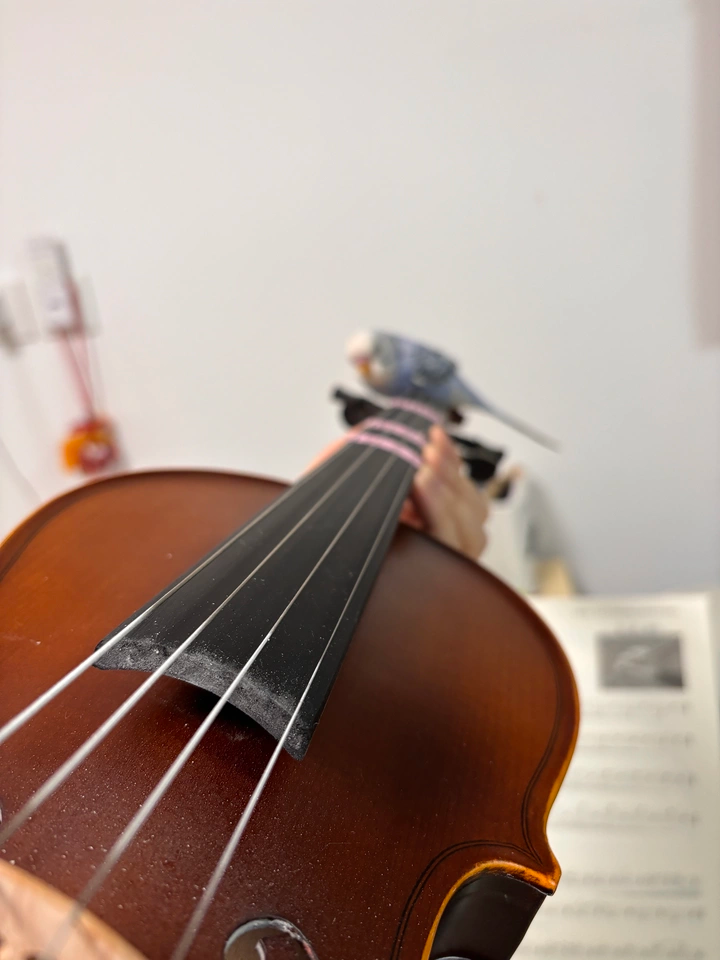
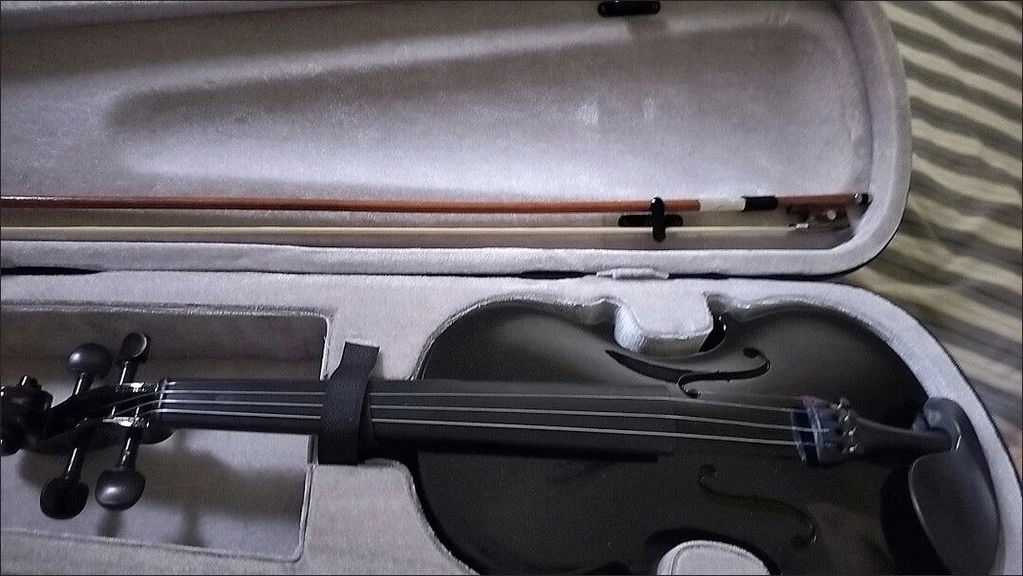
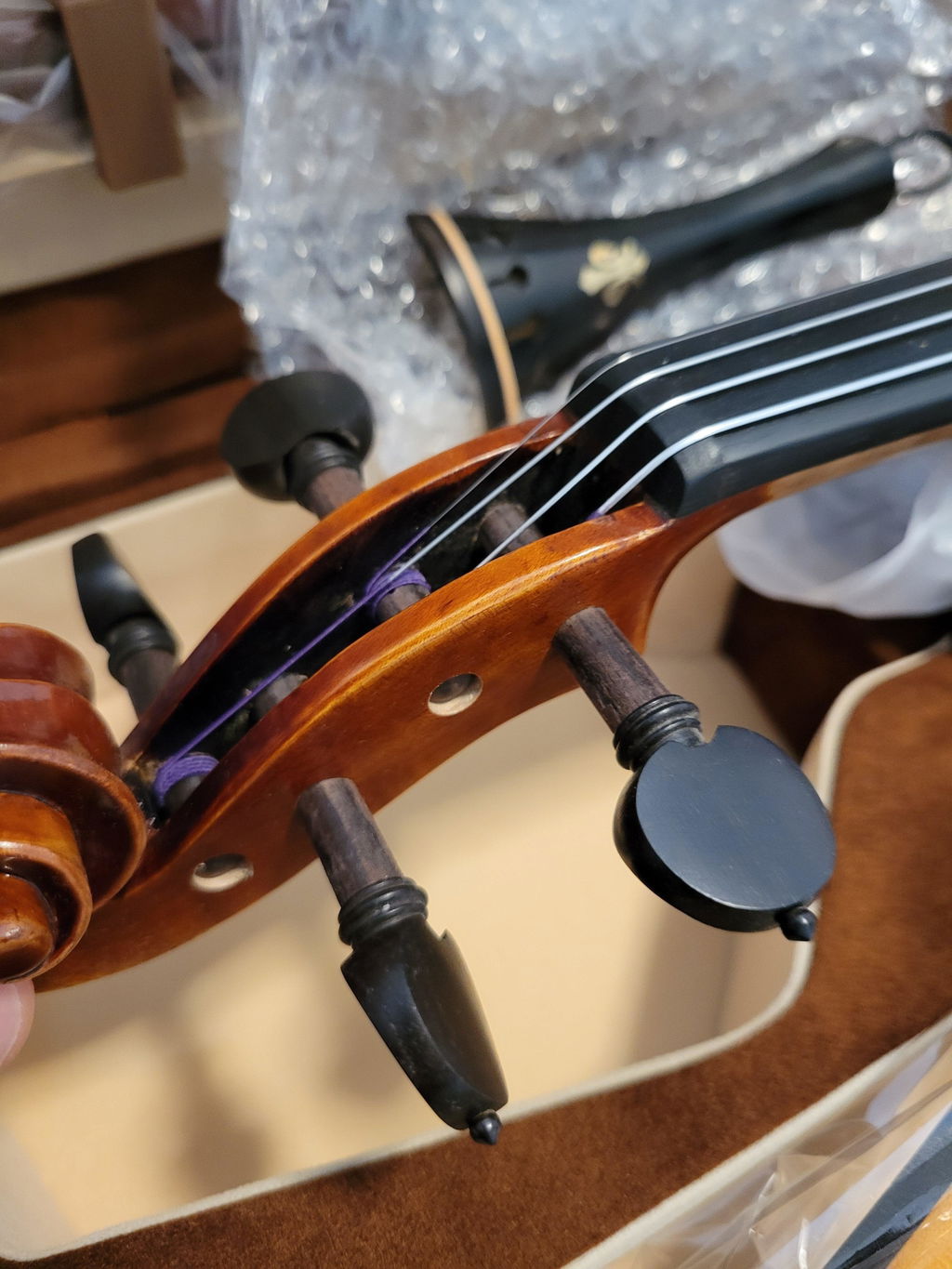
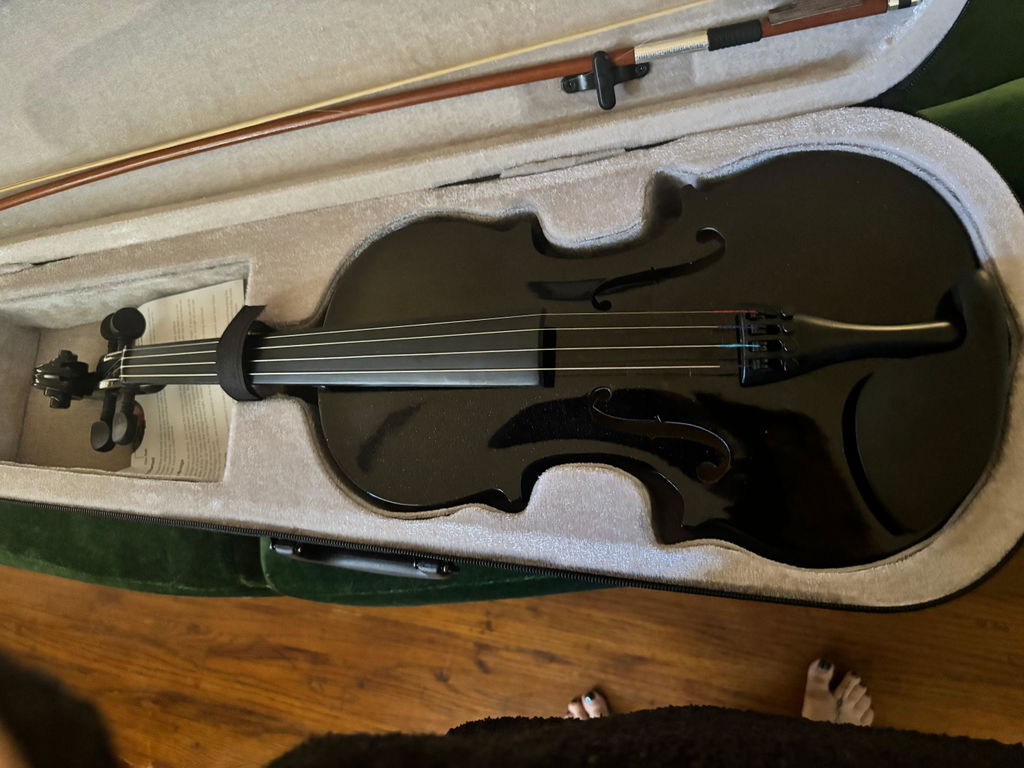
That's why so many beginners end up taping finger guides onto the fingerboard. Teachers often assume this is a necessary learning step, but it's frequently a workaround for a poorly made instrument — one where the neck angle is off, the string spacing is inconsistent, or the nut is cut incorrectly. The tape is the symptom; the bad violin is the disease.
What a poor-quality violin actually does to your sound
The quality problems in a cheap violin aren't abstract. Here are two concrete examples:
Uneven vibration. When a violin produces sound, the entire top and back plate should vibrate as a unified system. On a poorly made instrument, some areas vibrate freely while others barely move at all; some sections transmit sound quickly, others lag behind. The result is a muddy, unfocused tone — not because of what note is being played, but because the body of the instrument can't resonate cleanly.
High response latency. Some students find they can't play fast passages cleanly — everything blurs the moment the tempo picks up. The reason is often that the violin responds slowly: the first note hasn't even fully sounded by the time the bow is already on the second string. It's the musical equivalent of lag in an online game — you click, nothing happens, then everything happens at once, out of sync.
The right violin for the right player — it has to match
Beyond quality, there's another factor almost nobody discusses: the type of violin needs to match the player's physical style.
Think of it like choosing a tool for a job. A construction worker and a watchmaker both need precision, but they don't use the same instruments. A baseball player swings differently than a golfer. The right equipment depends on how you naturally move.
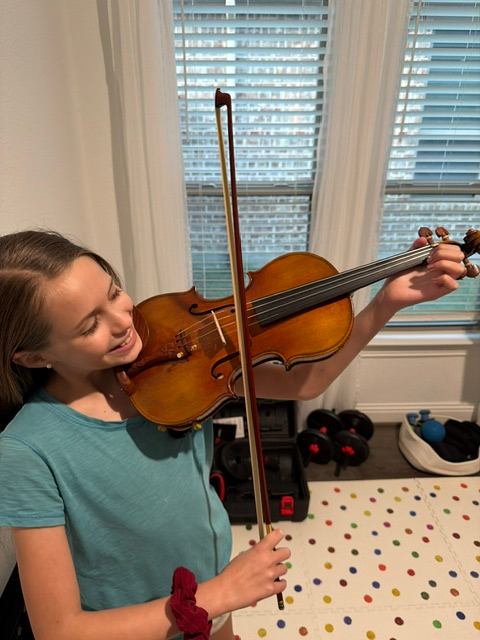
The same is true with violins. A Guarneri-style instrument rewards a strong, heavy bow arm — the more physical pressure applied, the richer the sound. A Stradivari-style instrument responds to a lighter, more refined touch — pushing harder actually degrades the tone. If a naturally heavy-armed player ends up on a Strad, they'll spend years trying to "unlearn" their instincts instead of developing them. If a light-touch player ends up on a Guarneri, they'll exhaust themselves trying to force a sound that will never come.
My core belief: the instrument should fit the player, not the other way around. Forcing a player to adapt to the wrong violin is like handing a quarterback a baseball bat and telling them to practice harder.
Don't blame yourself before you check the instrument
When your violin playing sounds bad, before assuming you haven't practiced enough, run through this checklist:
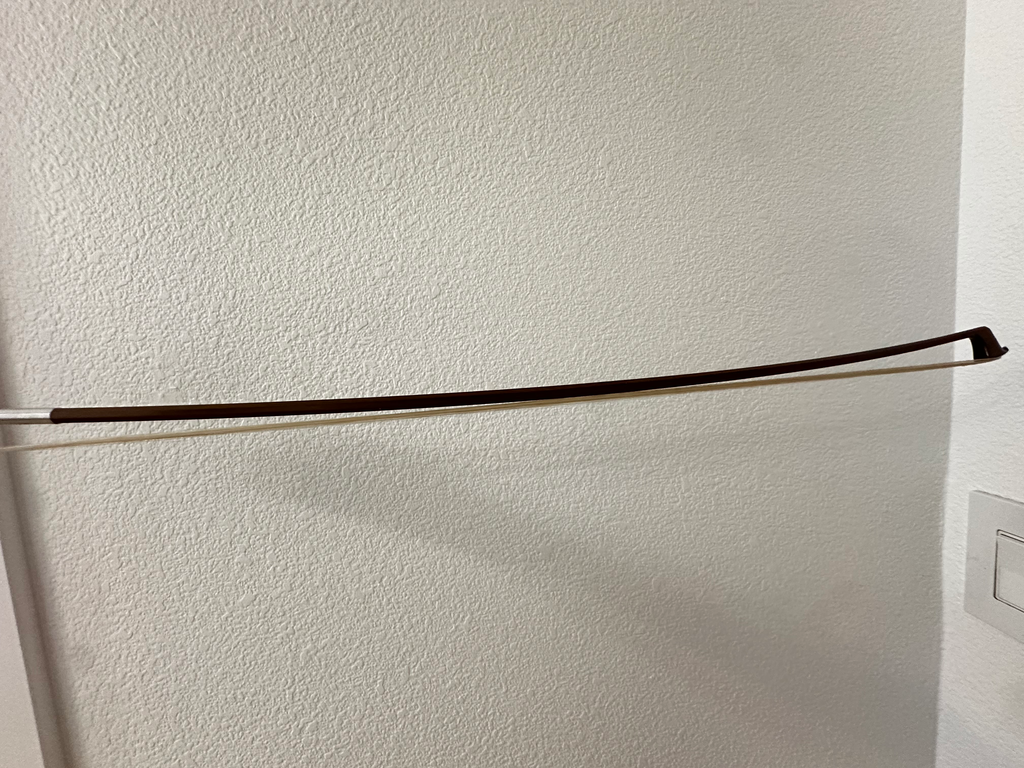
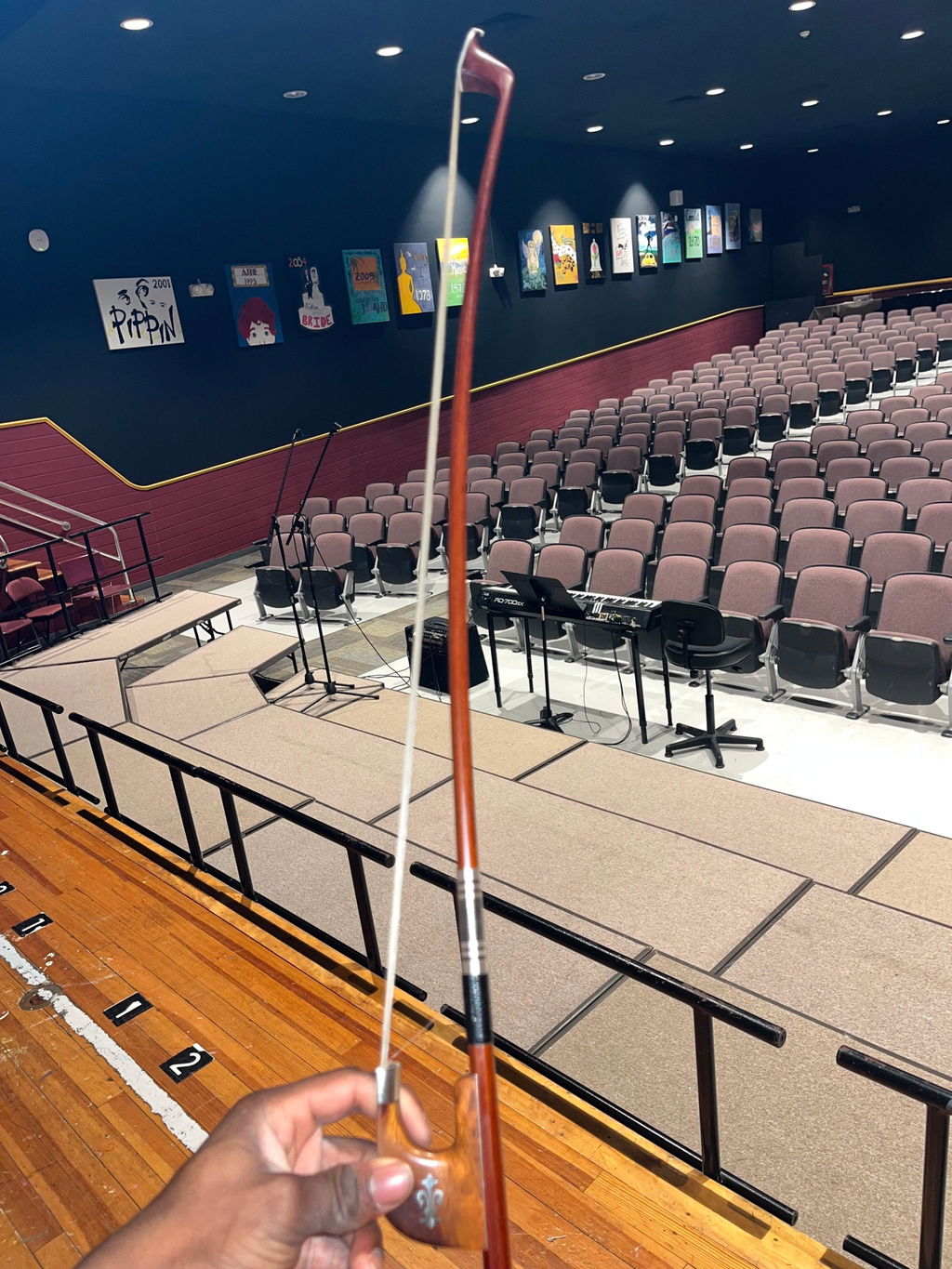
Is the top plate vibrating evenly? Is the soundpost positioned correctly? Are the strings decent quality? Is the bridge properly fitted and centered? Is the nut cut at the right height? Is the neck angle correct? Is the bow straight, and is the bow weight appropriate for your playing style?
Any one of these factors can sabotage your sound no matter how many hours you put in. I've seen students grind through five years of fundamentals only to discover that the real problem was a warped neck or a bridge that was slightly too thick.
When you're stuck, bring your instrument to a qualified teacher or luthier and ask them directly: Is this violin actually well-made? Does it suit how I play? What's the fastest way to get a real improvement in tone?
Don't just ask "how do I practice more?" Some teachers only know one answer to every question. Five years later, you'll realize practice wasn't the issue at all.
The bottom line
Bad violin tone is a systems problem, not just a practice problem. Before putting in another thousand hours of scales, think about the instrument: its construction quality, its acoustic properties, how it responds to your physical style, and whether the setup and accessories are working for or against you.
Figure out what's actually limiting your sound — then fix that.
(These are my personal views, not gospel. Take what's useful.)