


The 4 Biggest Challenges of Learning Violin — I Struggled Most With #3. How About You?
Learning violin is one of the most demanding musical journeys you can take. Discover the four biggest challenges every beginner faces — and honest advice on how to overcome them.

Learning the violin is not for the faint of heart. Many students practice for over a decade and still feel like they haven't reached their full potential. It's a long game — one that demands consistent effort, the right guidance, and a serious commitment of time and energy.
Getting started is no walk in the park either. Frustration hits early and often, and many beginners abandon ship within the first three months. A decent instrument is just the starting point. You also need a skilled teacher, a structured daily practice routine, and the mental grit to push through plateaus. Without these, you'll quickly run into familiar roadblocks: "Maybe I just don't have the talent," "I'm too busy to practice," or "I can't follow what my teacher is explaining."
For many people, the violin is one of the few instruments where the effort invested doesn't always feel proportional to the progress made — at least not at first.
Here are the four biggest challenges every violin student faces:
1. Posture
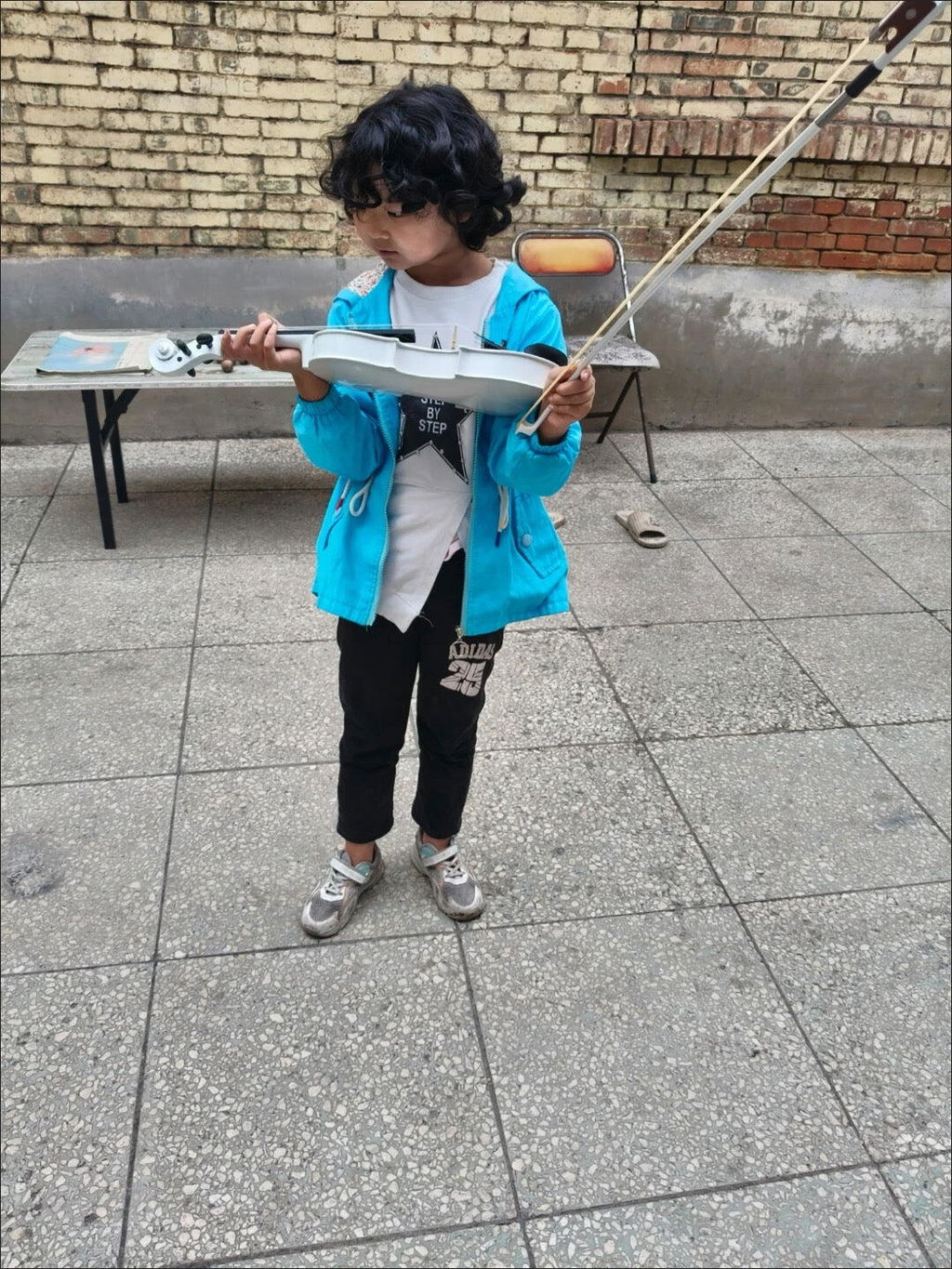
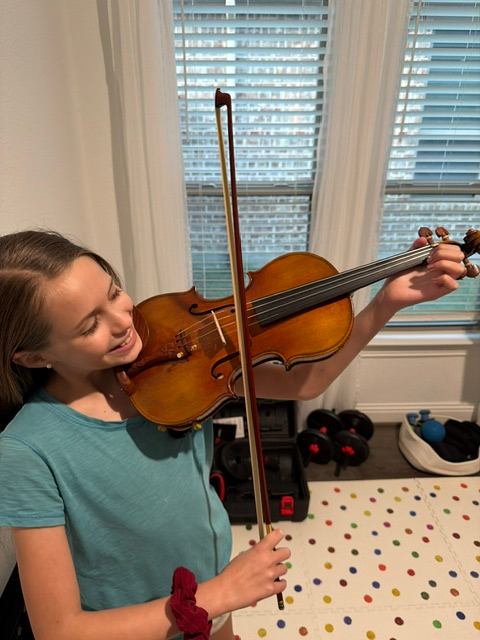
Shoulders back, chest open, core engaged — sounds simple, right? In practice, very few beginners can hold this position consistently. Honestly, most people can't maintain good posture even without a violin in their hands.
Correct posture will cause soreness in your arms, shoulders, and back for the first few years. Adult beginners typically need a break every 15 minutes or so, and younger students need constant reminders as their form drifts. But posture isn't just about looking professional — it's the ergonomic foundation for every other technical skill. Poor posture cascades into problems across the board and makes the entire learning process harder than it needs to be.
2. Bowing Technique
The single most important concept in bowing is the balance between muscle engagement and joint relaxation — and it can take years to truly feel and internalize. Most beginners default to either too tense or too loose, which leads to a laundry list of issues: a crooked bow path, a thin or airy tone, choppy bow changes, or an inability to play fast, clean, short strokes.
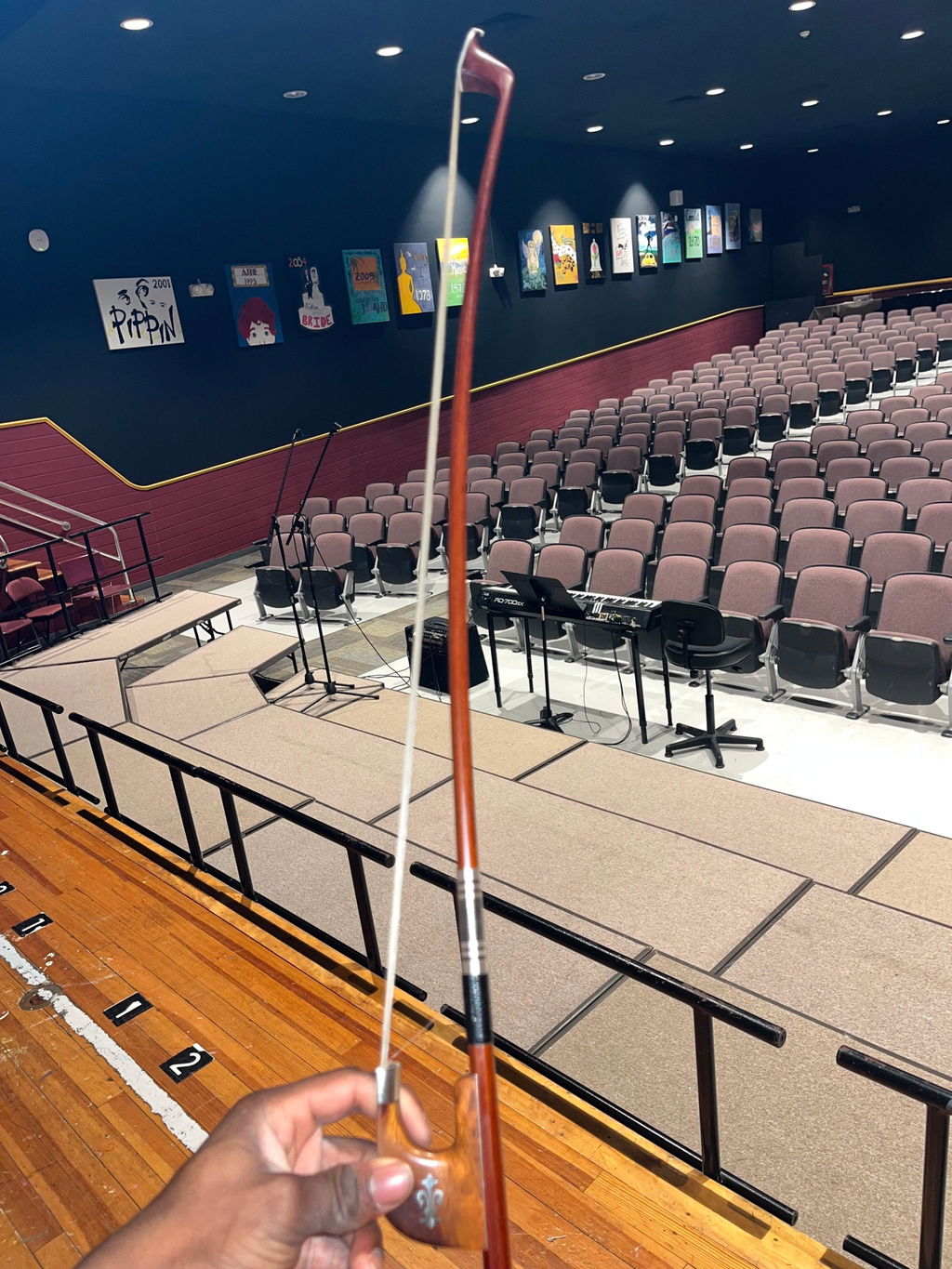
Great bowing technique has a quality that's hard to translate — call it resilient strength: a controlled power that flows from the shoulder all the way to the fingertips. Every finger on the bow has a specific role. The wrist rotation, the bend of the elbow — all of it matters. It's not uncommon to see semi-professional players who have been playing for years but still hold the bow in awkward, inefficient ways.
Two advanced bowing tips most students overlook:
- Contact point matters. Bowing near the fingerboard produces a softer, airier sound. Bowing near the bridge creates a brighter, more intense tone. Experimenting with contact point is one of the fastest ways to improve your sound.
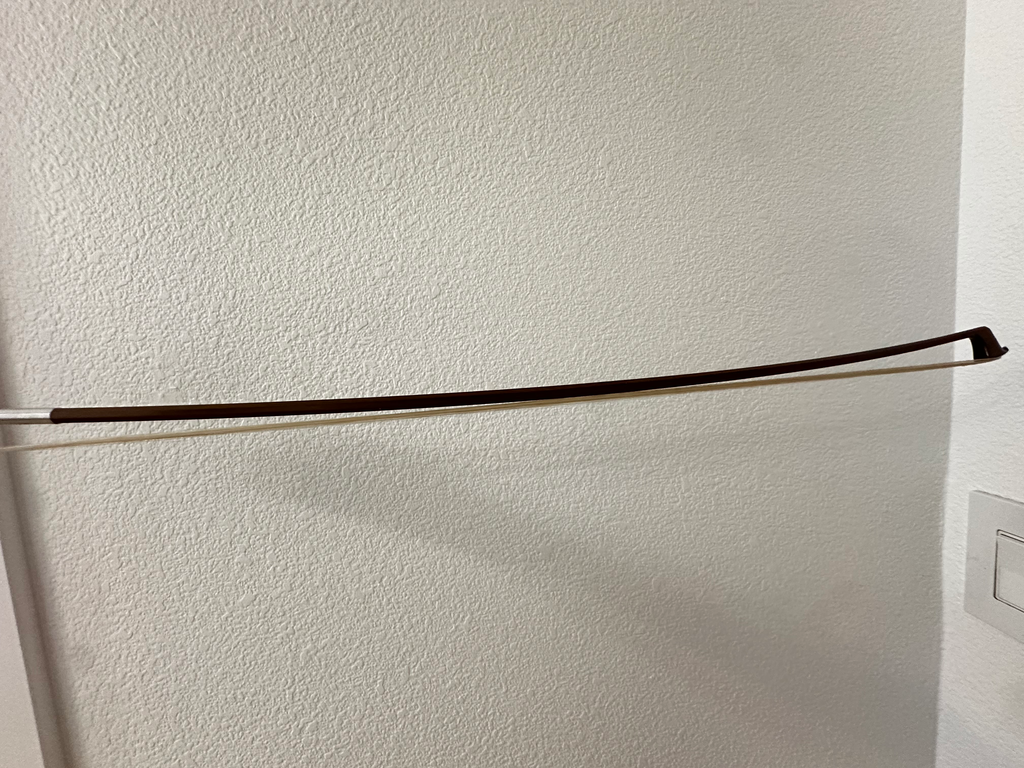
- Bow tension isn't one-size-fits-all. The correct tightness of your bow hair depends on the piece you're playing and the curvature of your bridge.
And here's the foundational insight that changes everything: you don't actually "grip" the bow. Your hand should barely exert any pressure at all. The bow does the work — your hand just guides it.
3. Left Hand Intonation and Technique
This is where I personally hit my biggest wall — and if you're reading this, there's a good chance it's yours too.
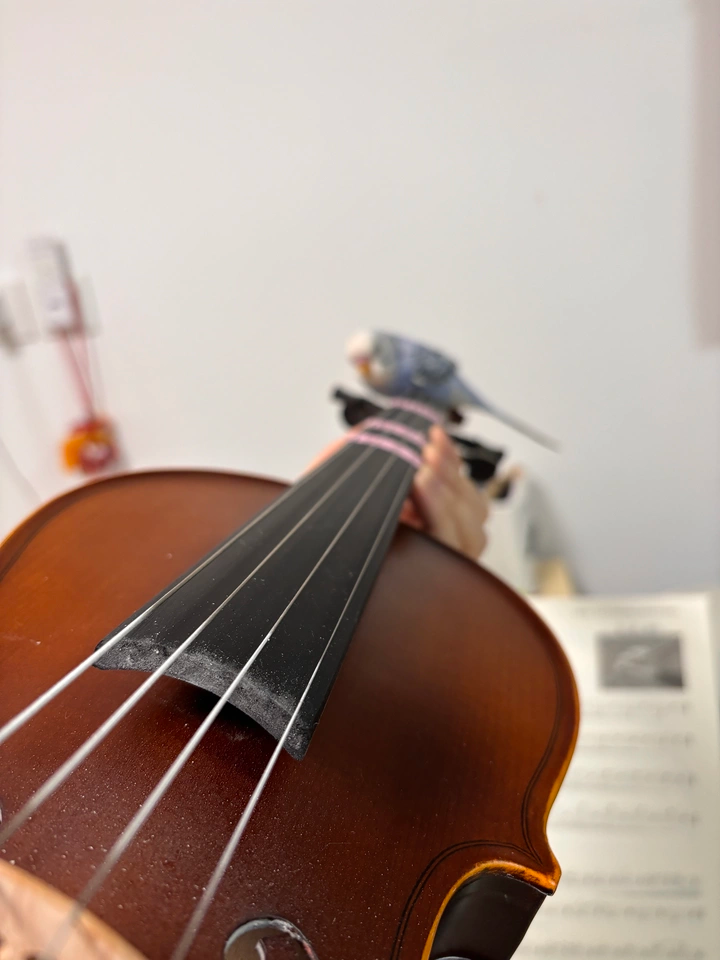
Left hand problems go beyond just playing in tune. Intonation involves both your ear and your physical technique. Your fingernails must be kept short. Your fingertips need to press the strings firmly and perpendicularly, with strength in the final knuckle joint. Using the very tip of the finger — not the pad — is essential for producing a clear, resonant tone.
Intonation on the violin is roughly 50% ear training and 50% muscle memory — specifically, your fingers learning the distances between notes. And just like bowing, the left arm needs that same quality of resilient strength, which becomes especially apparent when you start working on vibrato.
4. Musical Expression
This is where technique ends and artistry begins — and no teacher can fully teach it to you.
A thousand violinists can play the same piece and produce a thousand different interpretations. Musical expression is shaped by your life experiences, your emotional sensitivity, and your ability to connect with the music on a deeper level. A teacher might point you in a direction, suggest a mood or a phrasing approach, but how you ultimately express the music is entirely your own.
That said — musical expression is a concern for later. Before you can play music, you need to play the notes accurately. Build your fundamentals first. Expression will follow naturally as your technique matures.
The Bottom Line
The violin rewards those who start young, but it's never truly too late to learn. The hardest part isn't the technique — it's staying in love with the instrument long enough to get good at it. Many adult students who grew up playing violin will tell you that they didn't fully appreciate the years of practice until they were older and could understand what the music meant.
Whether you're a parent wondering if your child should stick with lessons, or an adult beginner questioning if it's worth it — the answer is almost always yes. The journey is hard, but few things in life are more rewarding than making beautiful music.
Related Articles Recommended:
Why Does Most Violin Playing Sound So Bad?
What Level Can You Reach After One Year Of Violin Lessons? A Complete Guide