


Should You Rent or Buy a Violin for a Beginner? A 2026 Guide for Parents and Adult Learners
Beginner's Guide · 2026
Rent or buy? Here's how to make the right call for a young child, a teenager, or an adult beginner — without overspending or ending up with an instrument that fights back.
Starting the violin is exciting, but choosing the first instrument can feel surprisingly complicated. Should you rent from a local shop? Buy online? What happens when a child outgrows the violin, and how much should you realistically expect to spend?
There's no single right answer — renting suits some beginners, buying suits others. This guide breaks down the real costs and trade-offs so you can choose with confidence.
In This Guide
The Quick Answer
Renting usually wins for
Young, still-growing children and anyone unsure whether they'll stick with lessons.
Buying usually wins for
Adults, teens on a full-size violin, and any committed student playing a year or more.
One thing matters more than either choice: setup quality. A poorly adjusted violin is hard to tune and discouraging to play, rented or owned. A well-set-up student violin — even a modest one — makes the first months far easier.
What Renting Actually Costs
Student violin rentals in the US typically run $20–$50 per month, depending on the shop, instrument tier, insurance, and included services. A rental package may bundle the violin, bow, case, rosin, maintenance, repair coverage, size exchanges, and purchase credit — but not every program includes all of these, so confirm before signing.
| Rental Period | At $30/Month |
|---|---|
| 6 months | $180 |
| 12 months | $360 |
| 24 months | $720 |
| 36 months | $1,080 |
Renting: Pros and Cons
Advantages
- Low starting cost, easy trial period
- Free or low-cost size exchanges as a child grows
- Maintenance and repairs often included
- Instrument arrives pre-set-up and inspected
- Some programs credit payments toward a future purchase
Drawbacks
- Long-term cost can exceed buying outright
- You don't own the instrument unless it's rent-to-own
- Quality varies between shops and units
- Limited choice of model, tone, or accessories
Buying: Pros and Cons
Advantages
- Better long-term value for committed players
- No monthly payments once purchased
- You choose the model, wood, strings, and case
- Can be resold, traded in, or passed to a sibling
- Ownership can build a stronger practice habit
Drawbacks
- Higher upfront cost, plus accessories and lessons
- A growing child may outgrow it quickly
- Very cheap violins are often hard to play
How Much Should You Spend?
| Price Range | What to Expect |
|---|---|
| Under $100 | Inconsistent quality and setup — higher risk for serious lessons |
| $100–$300 | Entry-level factory violins; fine for casual beginners with a proper setup |
| $300–$500 | The sweet spot for most committed beginners — solid materials and setup |
| $500–$1,000 | Stronger projection and workmanship; worth it for serious older students |
Price alone doesn't guarantee playability. A properly adjusted $400 violin is often easier to play than a poorly set-up instrument that costs twice as much.
Our Top Pick for Beginners: The Q033 Violin Outfit
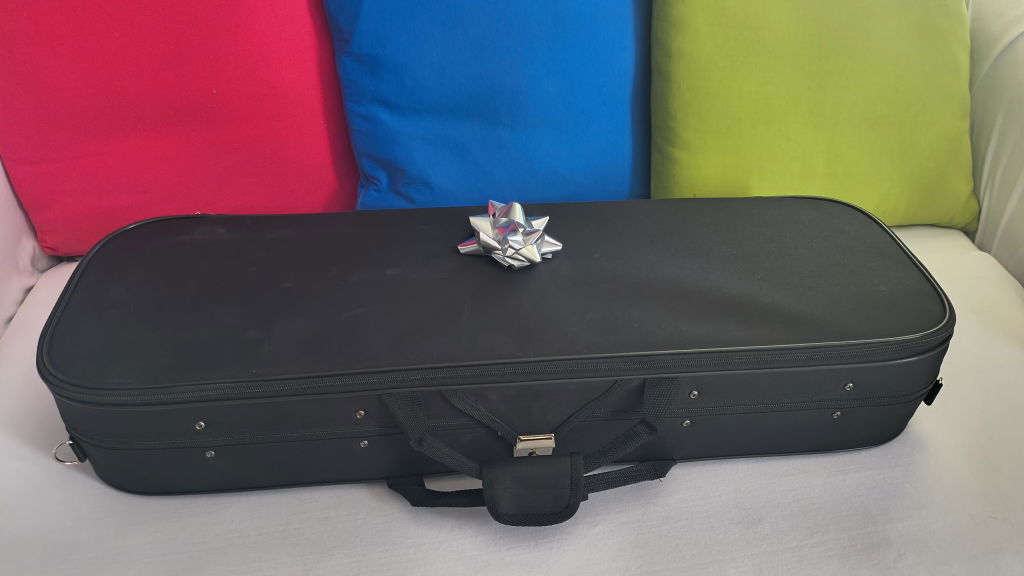
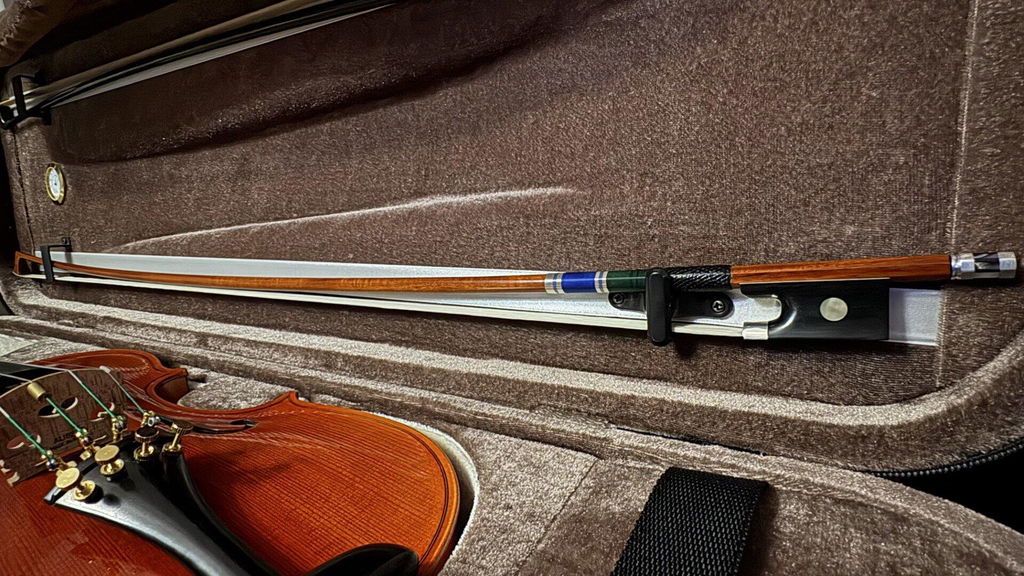
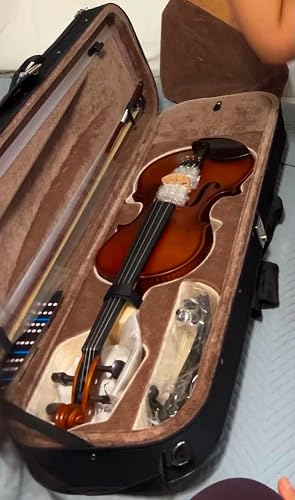
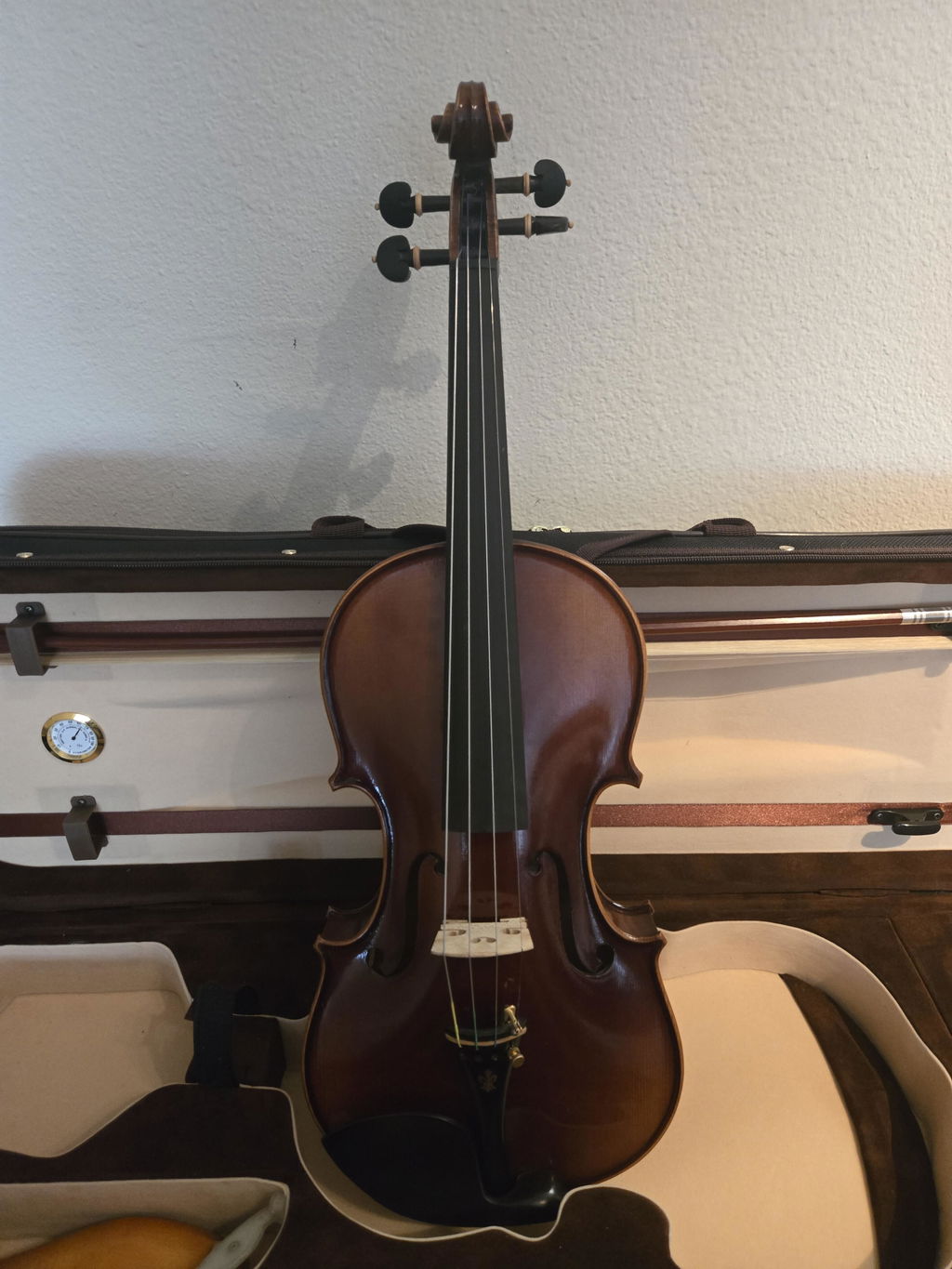
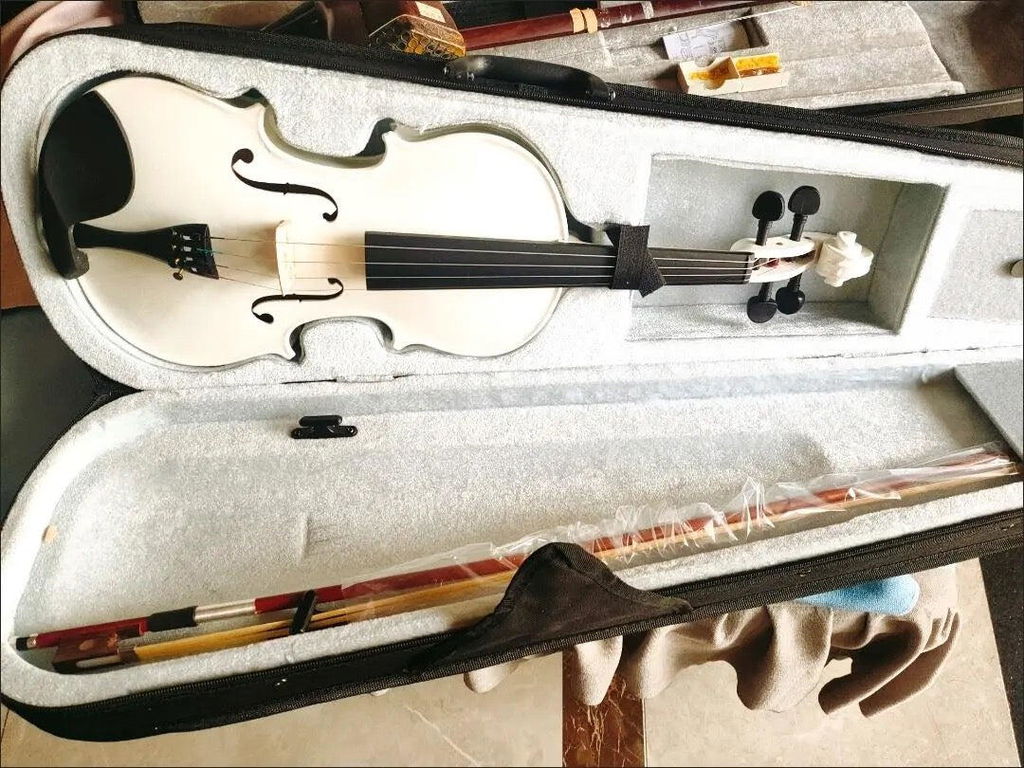
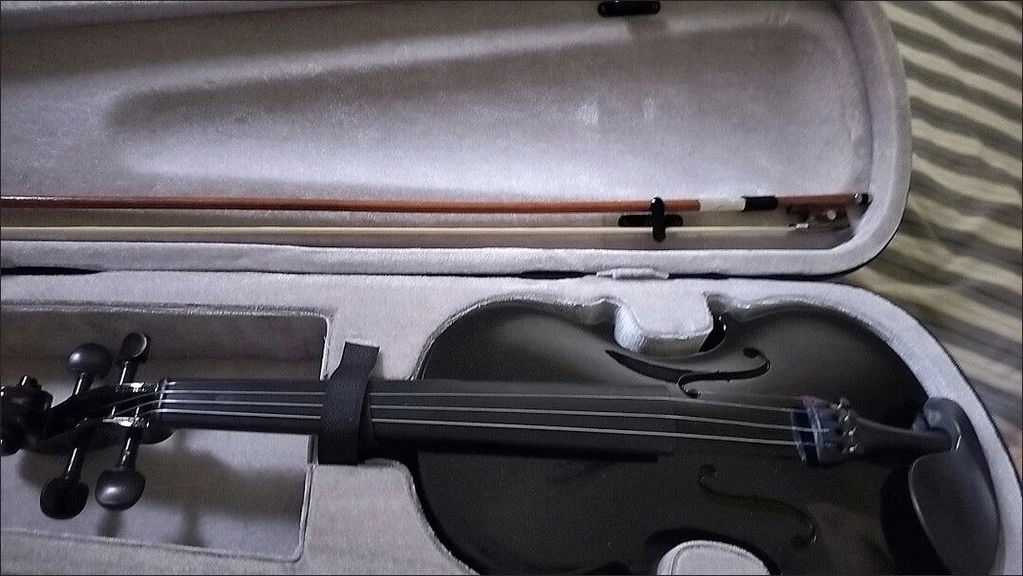
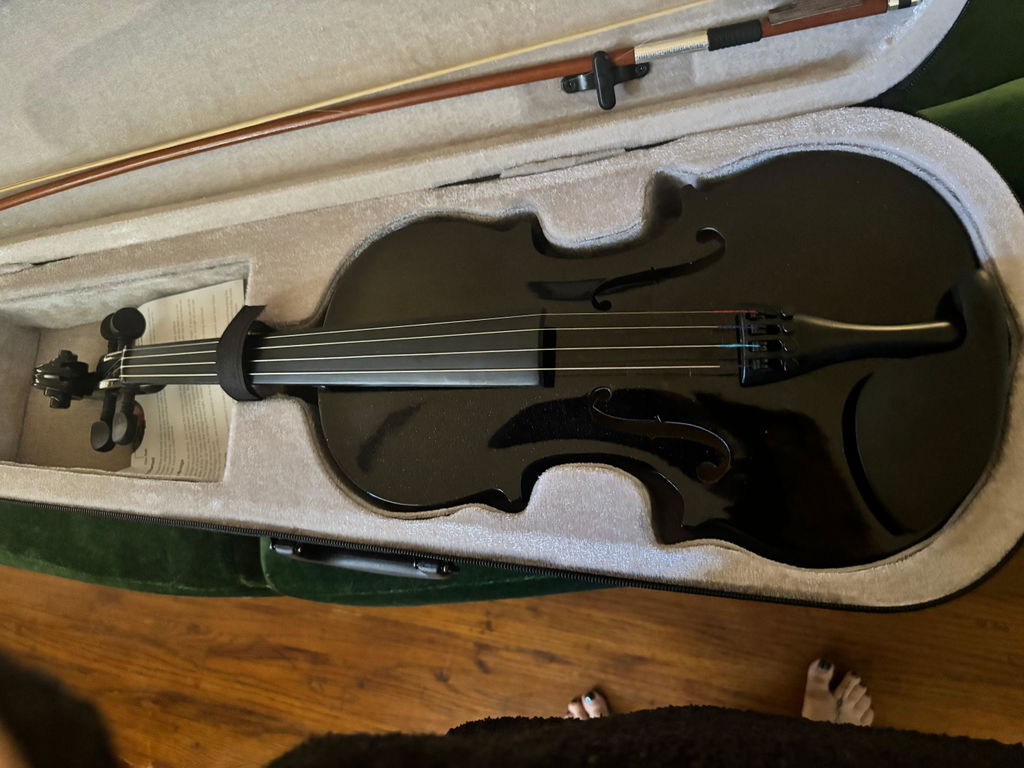
If buying makes more sense for your situation, the Fiddlover Q033 Beginner Violin Outfit is a solid place to start looking. It's built around exactly the criteria covered above — solid wood construction, a proper pre-shipping setup, and a full accessory kit — for $299.
Editor's Pick · Beginner Outfit
Fiddlover Q033 Beginner Violin Outfit
$299
- Solid spruce top and maple back, air-dried 36 months
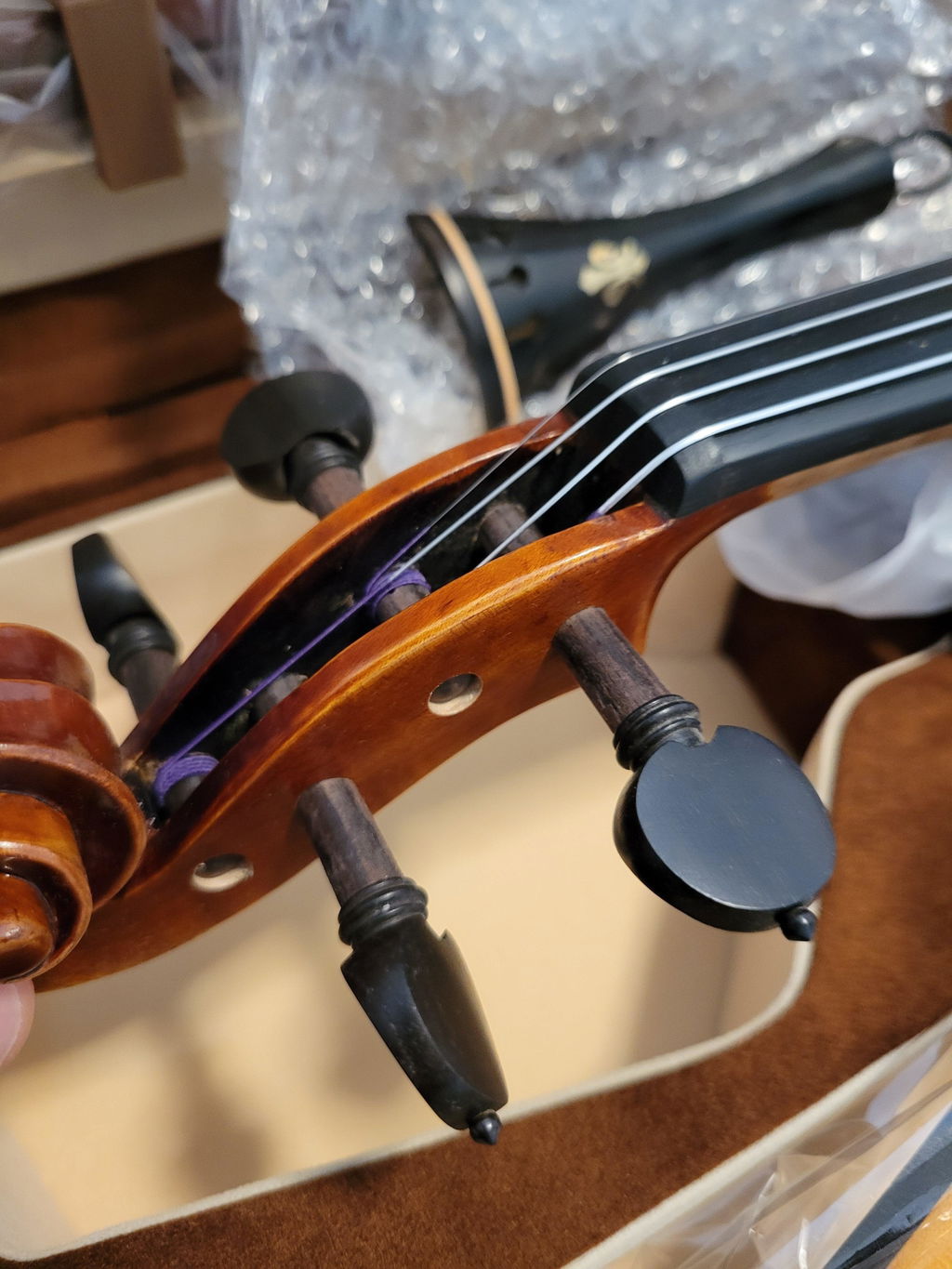
- Hand-carved maple bridge and genuine ebony fingerboard, pegs, and chinrest
- Carbon fiber tailpiece with four built-in fine tuners
- Passes an 11-point professional setup inspection before shipping
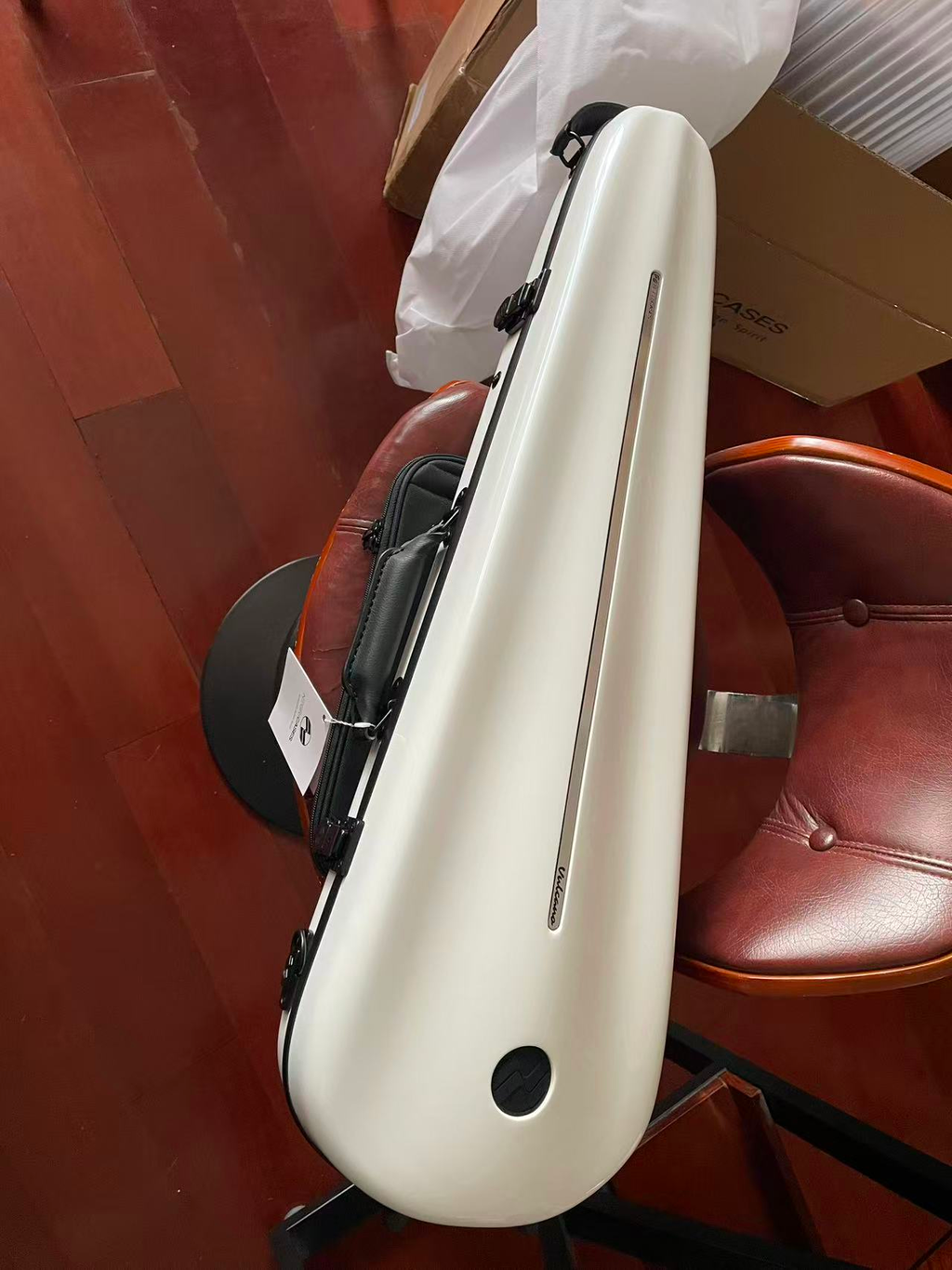
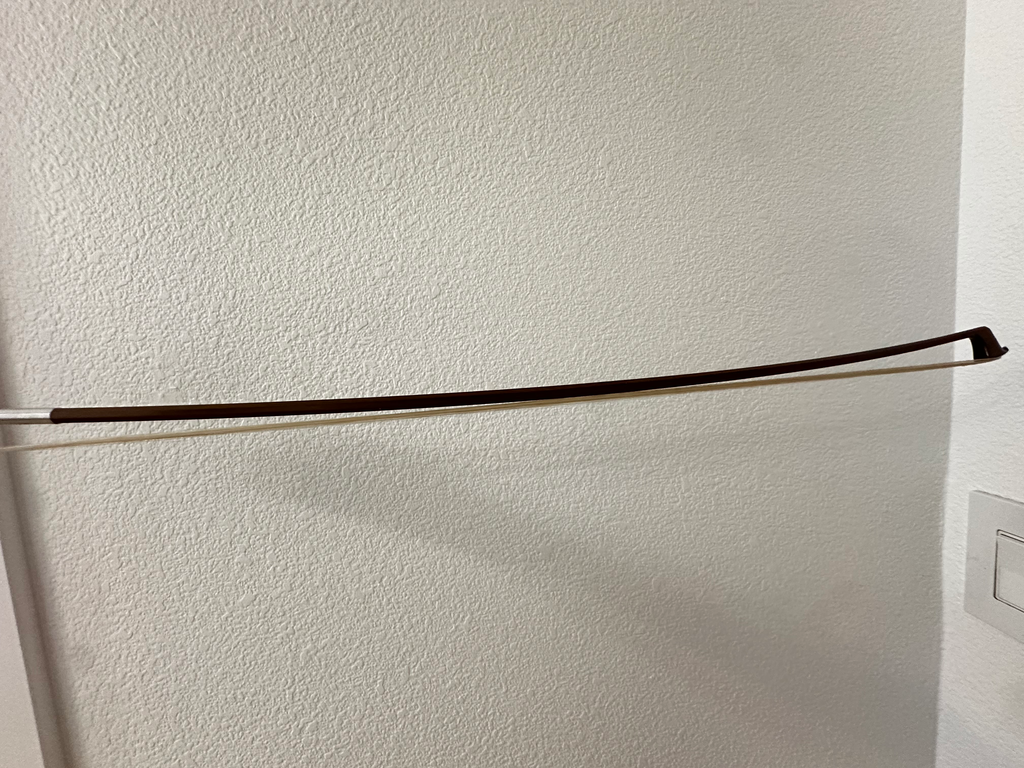
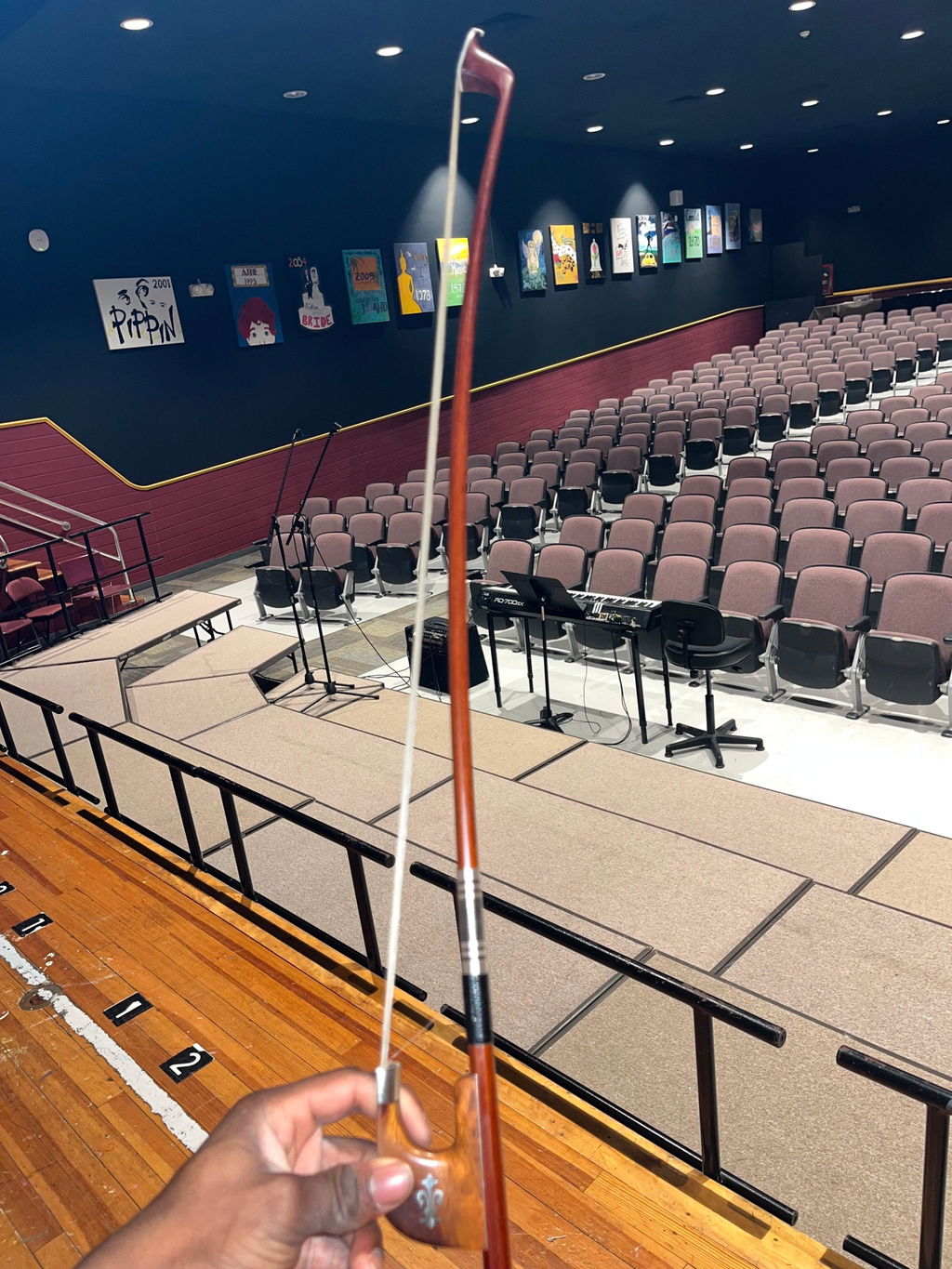
- Full outfit: case, Brazilwood bow, spare strings, low-dust rosin, mute, shoulder rest, finger stickers, polishing cloth
- Sizes from 1/8 to 4/4, so it fits most kids and adults
- 30-day returns, 18-month warranty
A recent unboxing and sound test from a violin content creator walks through the full outfit and plays each string, which is worth watching if you want to hear the tone before deciding — that's harder to judge from photos or a spec list alone.
Choosing the Right Size
A violin that's too large strains the left arm, wrist, and shoulder, and makes correct finger placement harder. Arm length is a more reliable guide than age alone — extend the arm to the side, measure from the neck to the palm, and compare against the seller's size chart.
| Violin Size | Arm Measurement | Age of Player |
|---|---|---|
| 4/4 | 23.6"+ | 11+ yrs |
| 3/4 | 22.1" – 23.5" | 9 – 11 yrs |
| 1/2 | 20.1" – 22" | 6 – 10 yrs |
| 1/4 | 17.6" – 20" | 4 – 7 yrs |
| 1/8 | 17.1" – 17.5" | 3 – 5 yrs |
| 1/16 | 14" – 15.4" | 3 – 4 yrs |
Age is only a rough guideline — arm length is the more reliable measure. If a player falls between two sizes, size down.
Most adults play a 4/4 violin, though smaller adults may prefer a 3/4 or 7/8.
What to Check Before You Buy
- Correct size for arm length and comfort
- Professionally inspected and adjusted before shipping
- Tuning pegs turn smoothly and hold position
- Four fine tuners for easy pitch adjustment
- Proper string height — not too high, not buzzing
- Bridge correctly shaped, positioned, and fitted
- Bow is straight, responsive, and holds tension
- Case protects the bridge, scroll, and bow
- Clear return period and warranty terms
Looking for a beginner violin that's properly set up and ready to play from day one?
Shop the Q033 OutfitFrequently Asked Questions
Is it better to rent or buy a violin for a child?
Renting is usually better for young children who may outgrow fractional sizes quickly. Buying makes more sense once a child is close to full size or has shown real long-term commitment.
Is it better to rent or buy for an adult beginner?
Buying is typically more cost-effective for adults, since most play a full-size violin and won't need size exchanges. A short rental can still help if you're unsure about sticking with it.
How much does it cost to rent a violin?
Student rentals in the US commonly run $20–$50 per month, depending on the instrument, location, insurance, and rental terms.
How much should a beginner violin cost?
Many beginners land in the $300–$500 range for a dependable first violin, though suitable instruments exist above and below that. Setup matters more than price.
How long should a beginner rent before buying?
Many families rent for one semester to a year before deciding. If rental payments stretch beyond two or three years, compare the running total to the cost of simply buying.
Can a beginner use a full-size violin?
Most adults and many teenagers use a 4/4 (full-size) violin. Younger players usually need a fractional size based on arm length.
Can a cheap violin make learning harder?
Yes. High strings, slipping pegs, a poorly fitted bridge, and a weak bow can all make tuning and playing noticeably harder. A moderately priced, properly set-up violin usually beats the cheapest available package.