


Have You Truly Mastered the Fundamentals of Violin Bow Hold and Bowing?
Through the beautiful tone and flowing melodies of the violin,
we can often sense the performer’s passion and emotion.
However, without solid fundamentals and proper technique,
even the most beautiful music cannot truly be expressed through the instrument.
The violin may look simple,
but building a strong foundation requires consistent, focused practice.
Only through dedicated effort can a player produce a refined and expressive sound.
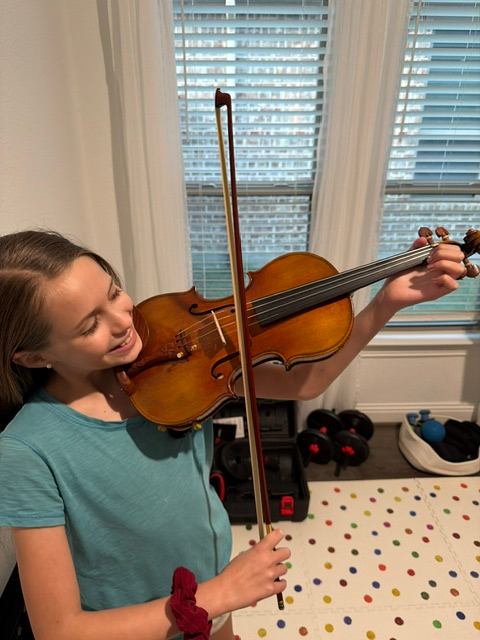
Today, we’ll guide you through essential bow-hold and bowing techniques every violin beginner must understand.
The Fundamental Mechanics of Violin Bowing
Violin bowing involves the coordinated movement of multiple parts of the right side of the body, including:
-
Fingers
-
Wrist
-
Forearm
-
Elbow
-
Upper arm
-
Shoulder
-
Chest and back muscle groups
Together, these elements form the foundation of right-hand bowing technique.
In practice, we often isolate and train individual components;
however, in real performance, they combine into different movement structures depending on the technical demands.
Core Bowing Techniques
-
Upper-half bowing relies mainly on forearm movement.
-
Natural spiccato (bouncing bow) is primarily driven by the wrist, assisted by finger flexibility.
-
Full-bow strokes require coordinated movement of the wrist, forearm, elbow, and upper arm.
Based on how these parts work together, right-hand motion can be divided into two main systems:
-
Shoulder–Arm Motion
-
Finger–Wrist Motion
Shoulder–Arm Motion
Due to the physiological structure of the right arm, shoulder–arm movement is limited to three basic actions:
-
Opening and closing of the forearm
-
Rotation of the forearm around the elbow joint
-
Rotation of the upper arm
These movements share a common lever-based structure, which can be divided into two major lever systems:
-
Upper-arm lever (shoulder as the pivot)
The shoulder supports and controls upper-arm motion while indirectly influencing the forearm, hand, and fingers. -
Forearm lever (elbow as the pivot)
This system not only transfers and regulates force but also provides the main driving power for bowing.

Finger–Wrist Motion
Finger–wrist motion is also built on two lever systems:
-
Hand lever, with the wrist as the pivot
-
Finger lever, with the finger joints as the pivot
Because of the complex joint structure, this system demands a high level of coordination.
Finger–wrist motion includes five essential actions:
-
Vertical motion during bow changes and string crossings
-
Horizontal motion when changing direction at the frog and the tip
-
Longitudinal rotation that moves the bow closer to the fingerboard or bridge
-
Vertical rotation that directly affects bow angle and string contact
-
Horizontal rotation during bow changes at the frog
These coordinated actions form what is often referred to as the “seesaw motion” of the right hand, collectively known as rudder-style movement, which governs bow control.

Bow Hold Styles
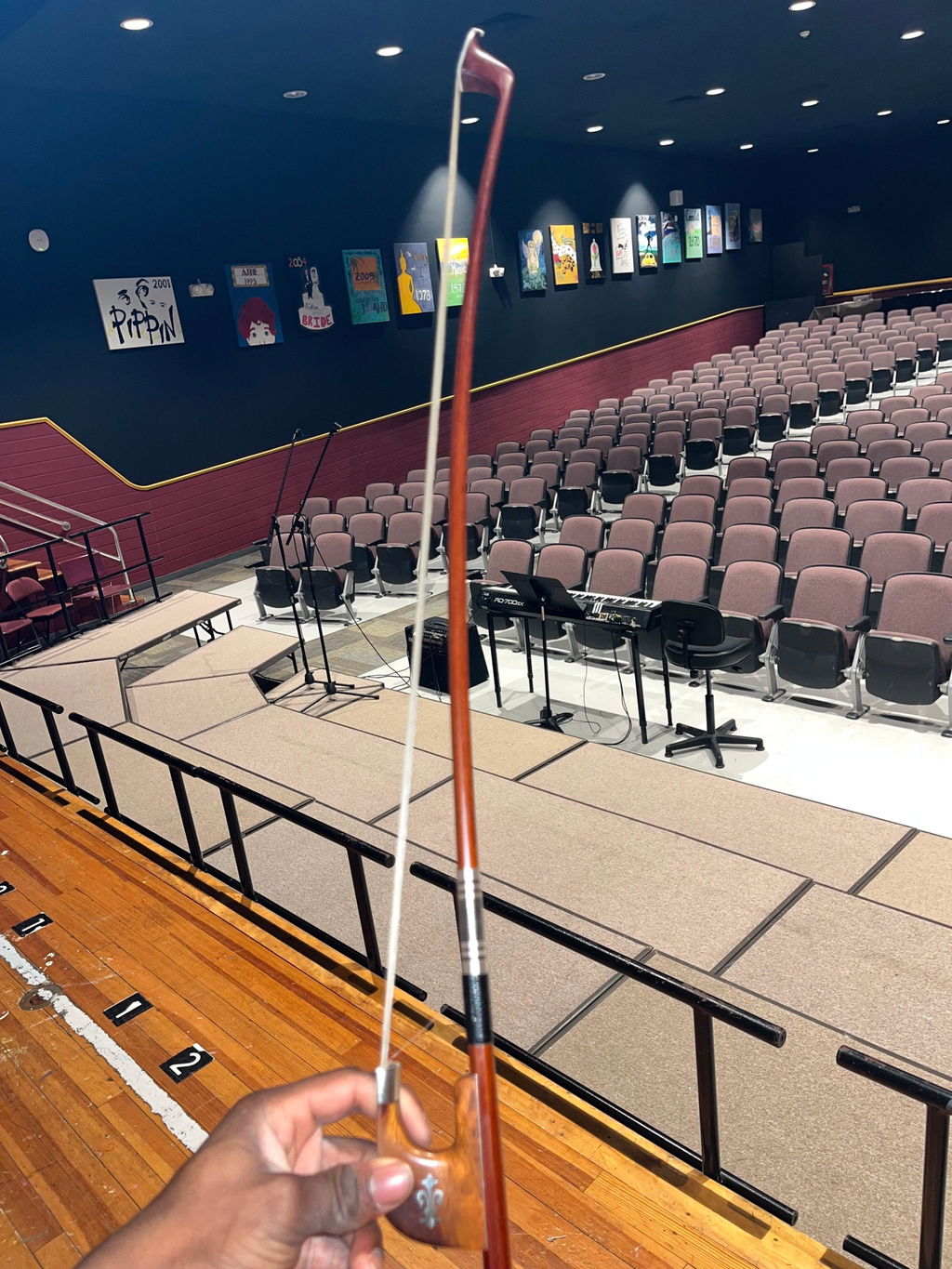
There are three commonly recognized violin bow-hold styles:
1. German Bow Hold
-
The index finger lies flat between the first and second joints on the stick
-
The thumb and middle finger oppose each other
-
All fingers are closely aligned
2. Franco-Belgian Bow Hold
-
The index finger presses diagonally with the end of the second joint
-
A small gap exists between the index and middle fingers
-
The thumb contacts the middle finger
3. Russian Bow Hold
-
The second and third joints of the index finger wrap firmly around the stick
-
Minimal spacing between the index and middle fingers
Carl Flesch considered the Russian bow hold to be the most efficient,
as it provides maximum stability with minimal effort.
The core debate among these styles centers on the placement of the thumb, index finger, and pinky, which are the true keys to right-hand technique.
The Role of Each Finger in Bow Control
-
Thumb
-
Bears nearly the entire weight of the bow
-
Provides upward support when the bow is lifted off the string
-
Works with the pinky to maintain balance
-
-
Thumb Support Is Essential
-
Without thumb support, any bow hold will collapse
-
The thumb also influences tone color, sound quality, and volume control
-
-
Changing Finger Pressure During Bowing
-
On a down-bow, pressure shifts toward the index and middle fingers
-
On an up-bow, pressure gradually transfers toward the ring finger and pinky
-
The thumb enables these transitions smoothly
-
-
Index Finger as a Power Point
-
Controls bow pressure on the string
-
Its position (flat or angled) affects leverage and sound quality
-
-
Pinky Finger
-
Essential for balance, especially at the frog
-
Without the pinky, playing at the frog becomes extremely difficult
-

Right-Hand Shape and Balance
Right-hand shape varies from person to person,
but beginners should always follow a reliable reference model.
The hand should never grip or squeeze the bow.
Instead, it should form a balanced seesaw structure using the index finger, thumb, and pinky as key support points.
-
Thumb and middle finger form a relaxed circle to secure the bow and maintain hand flexibility
-
Index finger transfers arm weight and pressure while coordinating with wrist and pinky motion
-
Pinky maintains balance and adjusts excess or insufficient force
-
Ring finger assists the pinky in stabilizing the bow

Bowing at Different Contact Points
Bow Tip
-
Wrist stays level with or slightly below the back of the hand
-
Maintains proper bow angle on the string
-
Pressure center shifts toward the index and middle fingers
Middle of the Bow
-
Balance and angle must remain even
-
All fingers actively participate in control
Frog
-
Wrist lifts slightly
-
Elbow naturally lowers
-
Pinky and ring finger counteract bow weight
-
Index finger may gently wrap around the stick to ease control

Final Thoughts
While these concepts may appear straightforward in theory,
finding the correct sensation during actual bowing takes time and patience.
True mastery of bow hold and bowing technique requires
long-term practice, continuous adjustment, and thoughtful reflection.
Learning the violin is a long yet deeply rewarding journey,
filled with endless discoveries and moments of musical growth.
Stay Connected with Fiddlover Violin Shop
Follow Fiddlover Violin Shop to discover more educational content about violins and other musical instruments.
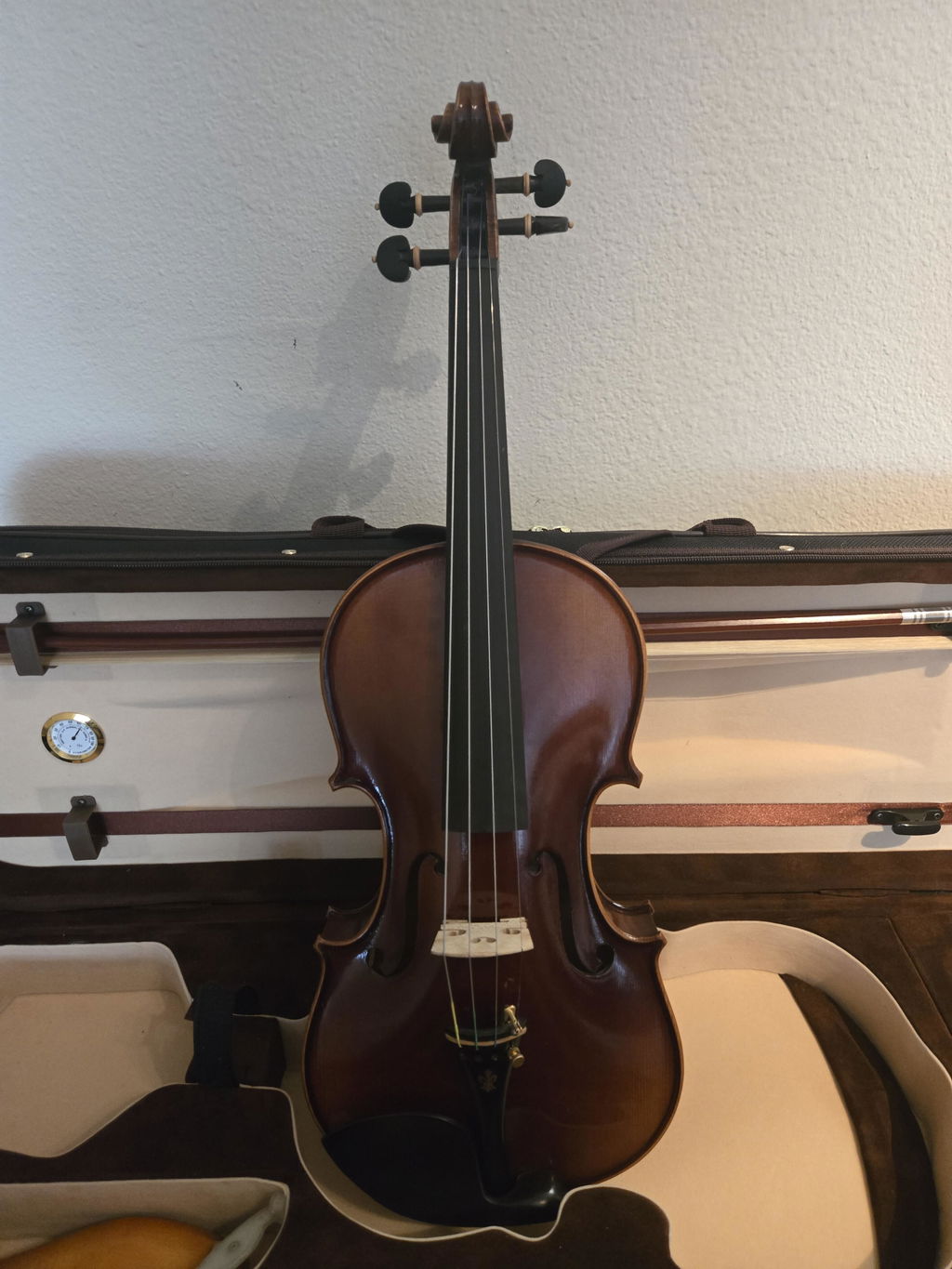
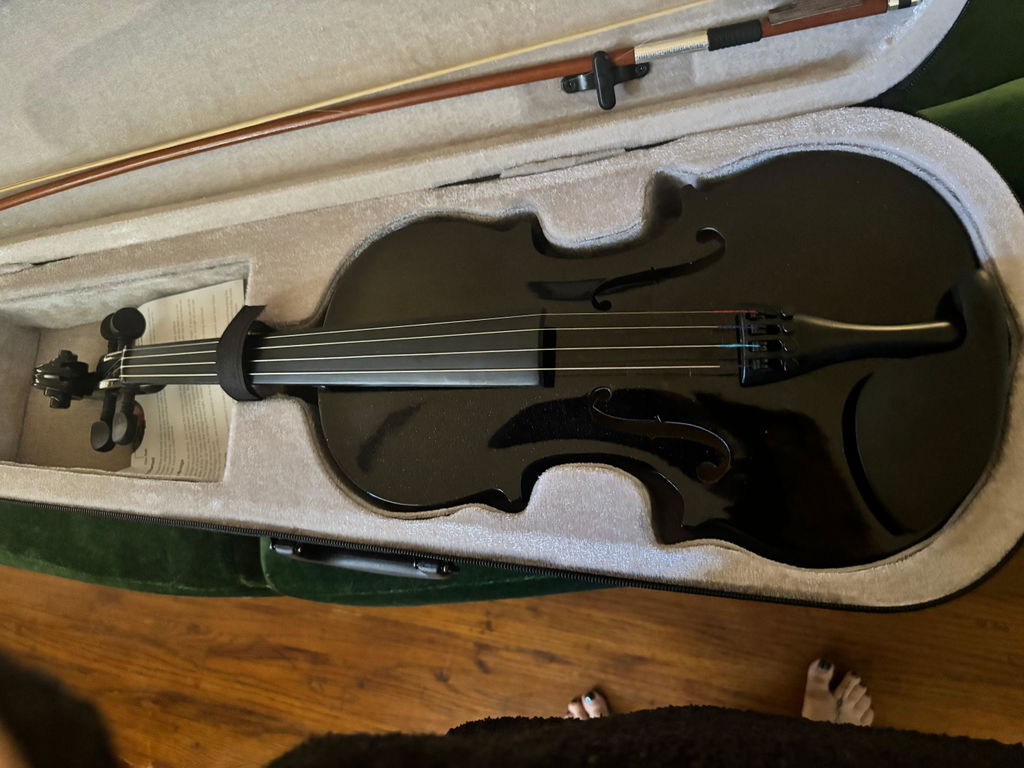
If you are considering purchasing your first violin, we recommend our Q033 Beginner Violin.
Designed specifically for beginners, the Q033 includes everything needed to get started, helping new players begin their musical journey with confidence and ease.