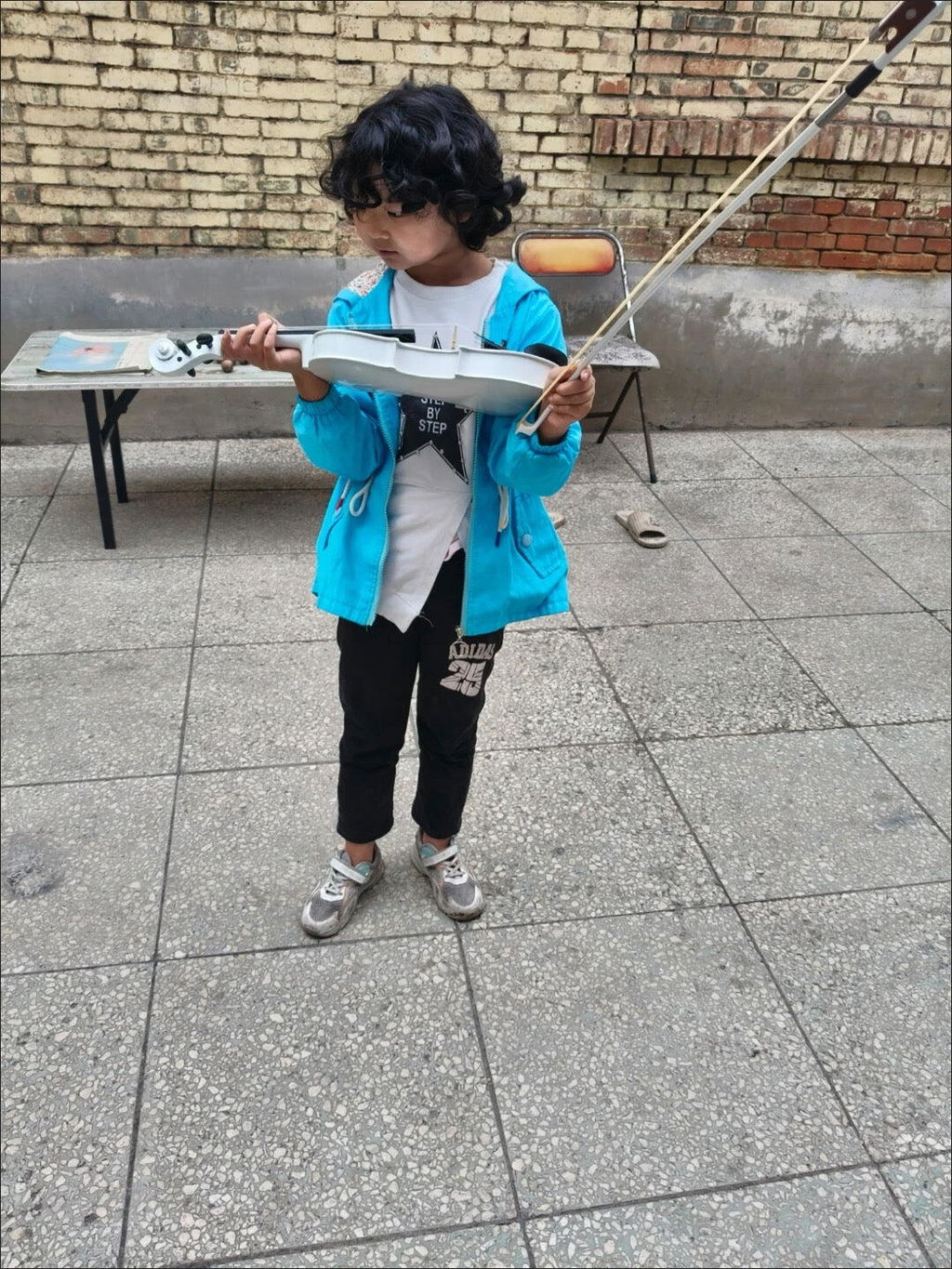
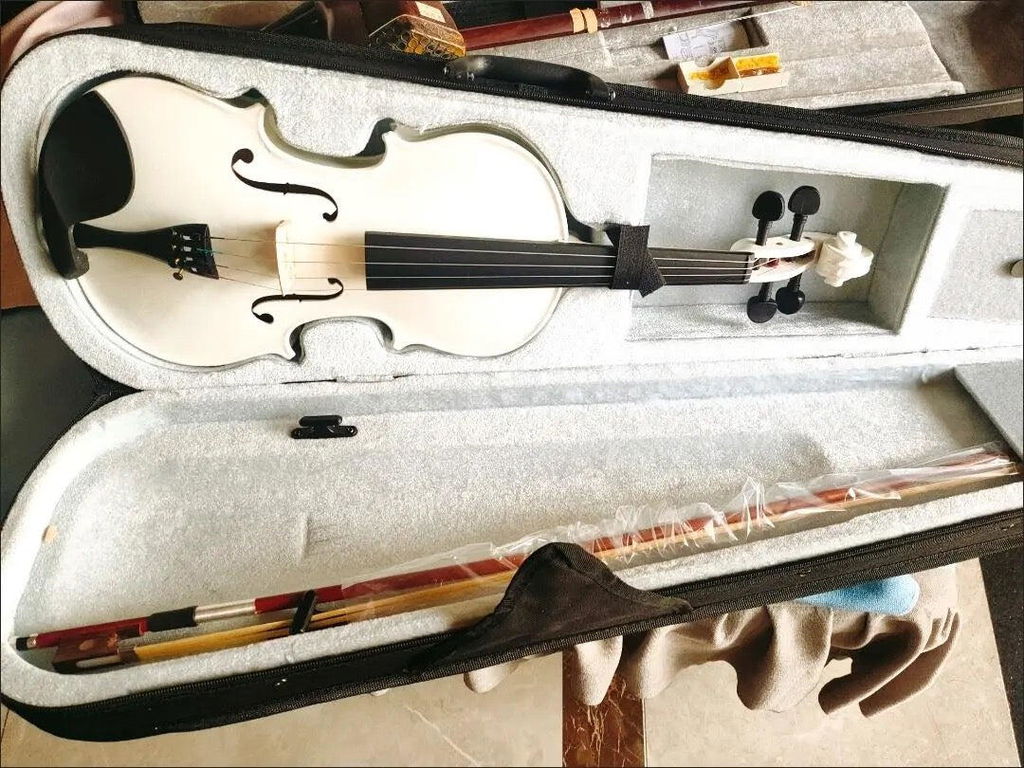
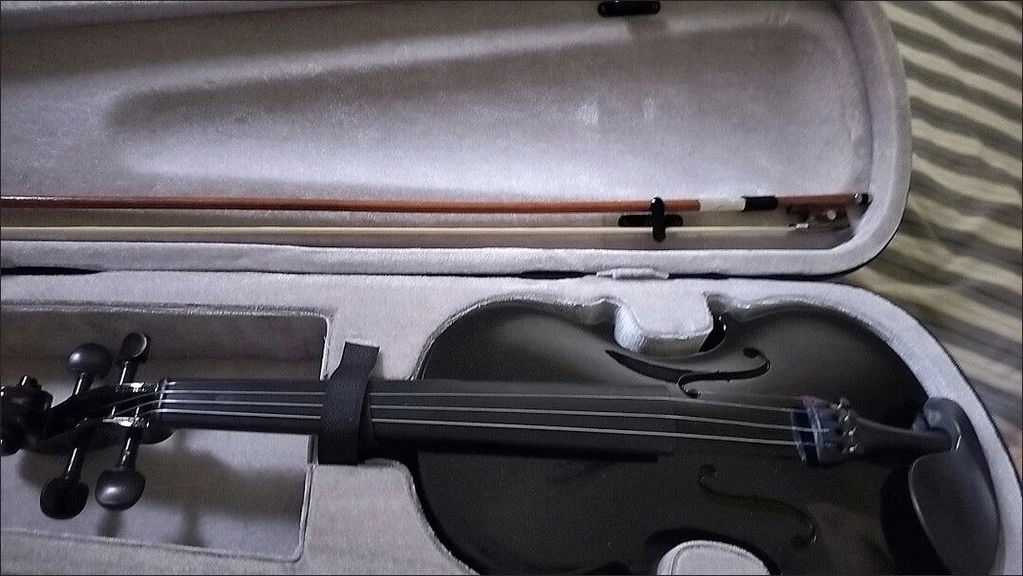
Entry-Level Natural Color Violin-1
Entry-Level Natural Color Violin-2
Entry-Level Natural Color Violin-3
Entry-Level Natural Color Violin-4
Entry-Level Natural Color Violin-5

Entry-Level Natural Color Violin

$69.00
$69.00
$69.00
Save $0.00
Subtotal: $69.00
Visa Mastercard American Express Apple Pay Diners Club Discover PayPal JCB Shop Pay

Free Shipping Over $50

Processing: 1-4 WD

Shipping: 3-9 WD

100% Shopping Guarantee

30-days Free Returns

18 months warranty

Google Top Quality Store

School Trusted Supplier

Paypal, Visa, Shopify Order Fund Supervision

Support Customization

Style/Material/Shape/Carve Name/Left Hand

Entry-Level Natural Color Violin-1

Entry-Level Natural Color Violin

$69.00

Entry-Level Natural Color Violin

$69.00
Size: 4/4

Introductions:
The head, back and sides of this acoustic violin are all made from basswood while the fingerboard, tailpiece, pegs, and chin rest are made from blacked wood and the bow is made from arbor and white horse tail.

Besides, the inside of case is very soft to protect the violin and rosin is a free gift for you. Altogether, why not take this premium violin home!

Features:
1. New and high quality
2. 1/8-4/4 Size
3. The head, back and sides of this acoustic violin are all made from basswood
4. The fingerboard, tailpiece, pegs, and chin rest are made from blacked wood
5. Color: Natural color
6. The bow is made from arbor and white horse tail
7. This set includes violin, case, bow and rosin
8. The inside of case is very soft to protect the violin
9. Rosin is a free gift

Specifications:
10. Violin Color: Natural Color
11. Back Material: Basswood
12. Side Material: Basswood
13. Face Material: Basswood
14. Tailpiece Material: Aluminium Alloy
15. Top Material: Maple
16. Chin Rest Material: Blacked Wood
17. Tuning Peg Material: Blacked Wood
18. End Pin Material: Blacked Wood
19. Violin Bow Material: Arbor
20. Viola Bridge Material: Maple

String Instrument Care Guide

Proper care will help keep your instrument in good playing condition and extend its lifespan.

Cleaning After Playing

After each playing session, use a soft polishing cloth to remove rosin dust from the strings, fingerboard, and the surface of the instrument. Excessive rosin buildup can affect the appearance of the instrument and may eventually damage the varnish.

It is also a good habit to wipe rosin from the bow stick and loosen the bow hair before storing the bow in the case.

Proper Storage

When not in use, always store your instrument in its case and make sure the case is securely closed. A quality case helps protect the instrument from dust, moisture, accidental impacts, and sudden environmental changes.

Avoid placing heavy objects on top of the case or exposing the instrument to unnecessary vibration during transport.

Temperature and Humidity

String instruments are made primarily from natural wood and are sensitive to changes in temperature and humidity.

An ideal relative humidity level is generally between 40% and 60%. Air that is too dry may cause cracks, while excessive humidity can lead to warping, open seams, or changes in tone quality.

During dry seasons, consider using an instrument humidifier. In humid climates or rainy seasons, a dehumidifier may help maintain a stable environment.

Avoid Extreme Conditions

Do not leave your instrument in a vehicle, direct sunlight, near heating vents, radiators, fireplaces, or any location where temperatures can change rapidly.

Excessive heat may soften adhesives, damage the varnish, and cause structural problems. Extremely cold conditions can also place stress on the wood and joints.

Strings and Hardware

Strings naturally wear over time and should be replaced periodically based on playing frequency and performance needs. If strings become worn, corroded, difficult to tune, or lose their tonal quality, replacement is recommended.

Regularly inspect the bridge, pegs, fine tuners, chinrest, tailpiece, and other fittings to ensure everything remains secure and functioning properly.

Professional Maintenance

Even with proper daily care, periodic inspections by a qualified violin maker or repair technician are recommended. Regular maintenance can help identify minor issues before they become costly repairs and keep your instrument performing at its best.

Size chart

Viola – How to Measure Size

  1. Fully stretch your arm with your palm facing up, keeping your arm parallel to the ground.

  2. Measure from your neck to the middle of your palm.

  3. Check the viola size chart and select the appropriate size.

Tip: If you are between sizes, choose the smaller size.

Viola Size Chart

Size of
Viola
Arm
Measurement
Age of
Player
16.5" 28" and up 14+ Years
16" 27"–28" 14+ Years
15.5" 26"–27" 12–14 Years
15" 23"–25" 11–13 Years
14" 22"–23" 9–12 Years
13" 20"–22" 8–10 Years
12" 18"–20" 7–9 Years
1/4 15"–18" 5–7 Years
1/8 14"–15" 3–5 Years

Note:
Or you can choose the right size according to your age, but this is only the most basic method.

If you are between sizes, size down.

Need Help?
If you need assistance, please send us an email at service@fiddlover.com or click Contact Us to get help.

Want to see more?

All beginner violins
Fiddlover Q033 Beginner Violin Outfit
From $299.00
$299.00
From $299.00
Save $0.00
Fiddlover Violin Outfit for Advanced Beginners L007 (Ready to play)
$349.00
$349.00
$349.00
Save $0.00
Entry-Level Violin Outfit for Student&Kid L004
$249.00
$219.00
$249.00
Save $-30.00

Recently Viewed Products